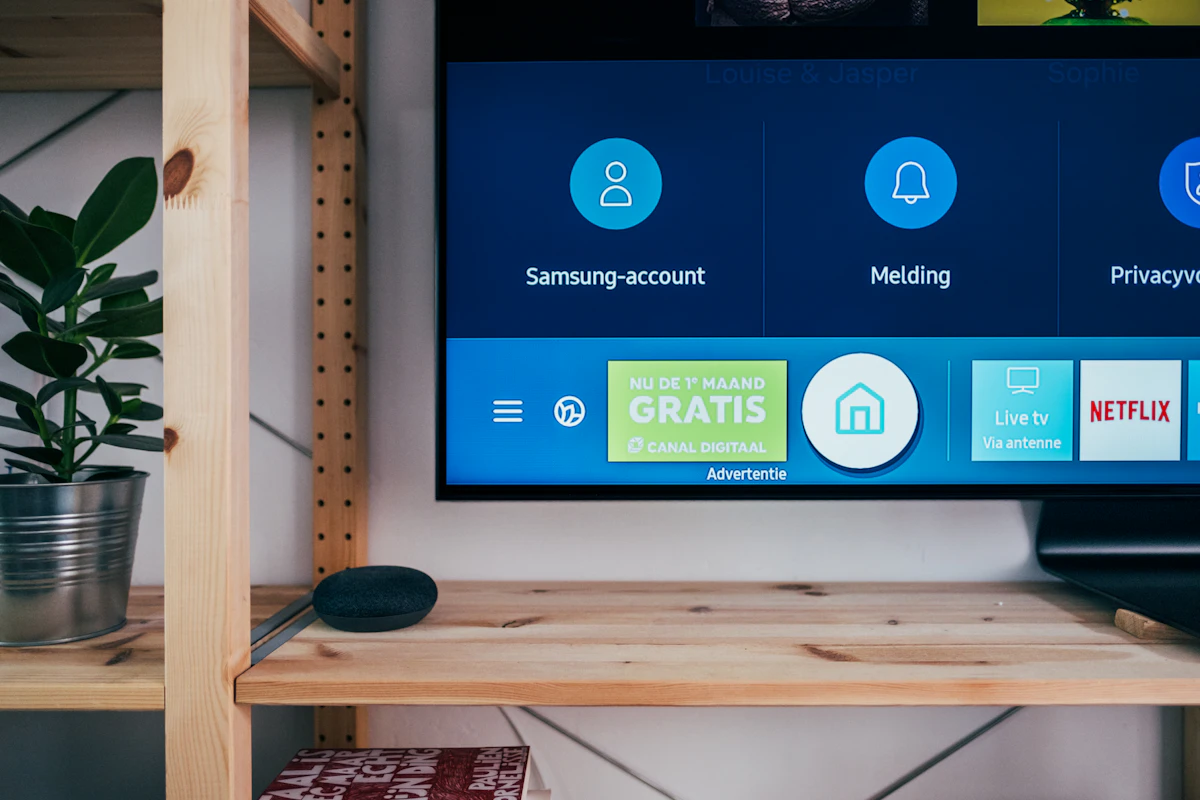
The epicenter of digital commerce is shifting from mobile back to the large screens in our living rooms. While traditional TV shopping was a one-way broadcast, modern YouTube Shopping provides a highly personalized experience powered by viewer data and interactive technology. As the share of Smart TV (CTV) viewership skyrockets, shoppable tag strategies—triggering purchases via a remote or seamless mobile handoff—have become an essential survival strategy for creators and brands alike.
The Rebirth of Living Room Shopping: Viewer Psychology Meets Algorithms
TV viewers are in a much more 'lean-back' state compared to mobile users. This means they are relaxed and fully immersed in high-quality content, making any purchase intent generated at this moment far more decisive than an impulsive mobile tap. YouTube's algorithm analyzes these viewing patterns to expose visually organized shoppable tags at the peak of user engagement.
YouTube recently overhauled its TV UI to feature product lists on the side or bottom without interrupting the playback. When a viewer selects a product via remote, a large QR code appears, allowing them to scan and move to checkout on their smartphone instantly. In this report, we dive deep into the precision strategies to maximize this magical conversion funnel.
"The TV is no longer just a display. It is a data hub where family tastes converge and the most trusted showroom in the house."

3 Core Strategies for TV-Optimized Shoppable Tags
The shopping experience on a large screen requires a completely different visual grammar than mobile.
1. High-Resolution Visual Assets and Localization
TVs have dozens of times the resolution of mobile devices. Images used in product tags must be sharp without pixelation. Lifestyle shots increase trust by over 200% compared to plain white backgrounds. Leverage high-density visual data from the official site FreeImgFix to build product feeds that maintain overwhelming immersion even on 4K/8K screens.
2. Scenario-Based Contextual Batching
Keeping tags on screen for the entire video is counterproductive. Algorithms favor tags that appear at the 'moment of truth' when the product's utility is most apparent—such as when a chef uses a knife in a cooking show or during a 'before and after' reveal in a beauty tutorial. This neuro-marketing approach imprints 'necessity' directly into the viewer's mind.
3. QR Code Handoff Optimization
The biggest friction point for TV shoppers is 'entering a URL via remote.' Utilize YouTube's automatic QR code generation. Ensure the QR code is placed in a corner that harmonizes with the video thumbnail to lead the viewer's eyes naturally to their phone. The mobile landing page must load in under a second to secure the final conversion.
Characteristics of Algorithm-Favored Shopping Content
-
📈
View-to-Click-Through Rate (VCTR): Algorithms prioritize videos where users actually click tags to view details, rather than those with high views but zero engagement.
-
🔗
Real-time Store Engine Sync: API integration with Shopify or Google Merchant Center for real-time stock levels signals to the algorithm that the channel is a 'ready seller.'
-
💬
Community Response Index: Channels where creators actively answer product-related questions in the comments have a significantly higher probability of appearing in recommended feeds.
Deep Dive: T-Commerce and 2026 Consumer Behavior Patterns
Consumers no longer open search bars to find information. In 2026, where 'Discovery Shopping' has become mainstream, YouTube has evolved beyond a video platform into the world's largest live shopping mall.
The pattern of watching together on TV, discussing a product, and scanning a QR code for instant checkout has formed a unique culture of 'Collaborative Purchasing Decisions.' This is driving explosive sales growth in high-ticket categories like appliances and furniture. Creators must now be storytellers who persuade a collective audience in a living room, not just a solitary viewer.

Pro-Tip: 'Visual Etiquette' for Shoppable Tags
TV viewers find intrusive pop-ups frustrating. Shoppable tags should be elegantly placed within the bottom 20% area or the 'safe zones' on either side. Additionally, triggering a subtle sound effect (SFX) when a tag appears can stimulate the subconscious without overpowering the main audio.
Success Checklist for TV-Optimized YouTube Shopping
1. 4K Product Rendering
Are product images sharp and noise-free even on large-scale TV screens?
2. Mobile Handoff
Is the transition from QR scan to mobile checkout smooth and frictionless?
3. Scenario Fit
Do tags appear at the exact moment when the viewer needs the product most?
4. Data Transparency
Are price, shipping, and reviews accurately indexed and provided as text data?
Conclusion: Dominating the Living Room Means Dominating Commerce
YouTube Shopping is more than just buying things while watching; it is the convergence of lifestyle and technology. Strategies that increase Smart TV traffic are the most sophisticated ways to win over high-value consumers.
Implement today’s data-driven shoppable tag strategies into your channel. You will see viewers who were once just relaxing on their sofas soon holding your product in their hands. The algorithm will grant wings of exposure to content that perfectly bridges community and commerce.
Ride the wave of YouTube Shopping with FreeImgFix!