
Post-alcohol hangovers are more than just acute headaches; they are urgent signals that your liver—the body's central chemical plant—is in a critical battle against potent toxins. When ethanol is metabolized, it produces Acetaldehyde, a Group 1 carcinogen identified by the IARC. This compound damages hepatic DNA, maximizes oxidative stress, and triggers systemic inflammatory responses.
While the liver's regenerative capacity is remarkable, it is not infinite. Binge drinking rapidly depletes Glutathione, the cornerstone of your antioxidant defense system, which can lead to hepatic necrosis. Therefore, targeted nutritional intervention within the first 24 hours post-consumption is a pivotal strategy for preventing permanent liver tissue damage and ensuring long-term metabolic health.
The Biochemistry of Alcohol Metabolism
Within hepatocytes, alcohol is converted into acetaldehyde by Alcohol Dehydrogenase (ADH), and subsequently into harmless acetate by Aldehyde Dehydrogenase (ALDH). This process consumes massive amounts of NAD+, shifting the redox balance and promoting fatty liver formation (steatosis) and lactic acidosis.
Accelerating recovery requires enhancing ALDH activity and immediately replenishing the depleted pool of amino acid precursors. Research published by the National Institutes of Health (NIH) indicates that specific amino acid supplementation can shorten the half-life of blood acetaldehyde by up to 40%.
"Detoxification is not a passive waiting game; it is an active reconstruction of the biochemical environment necessary for liver cell repair."
Top 5 Superfoods for Hepatic Regeneration
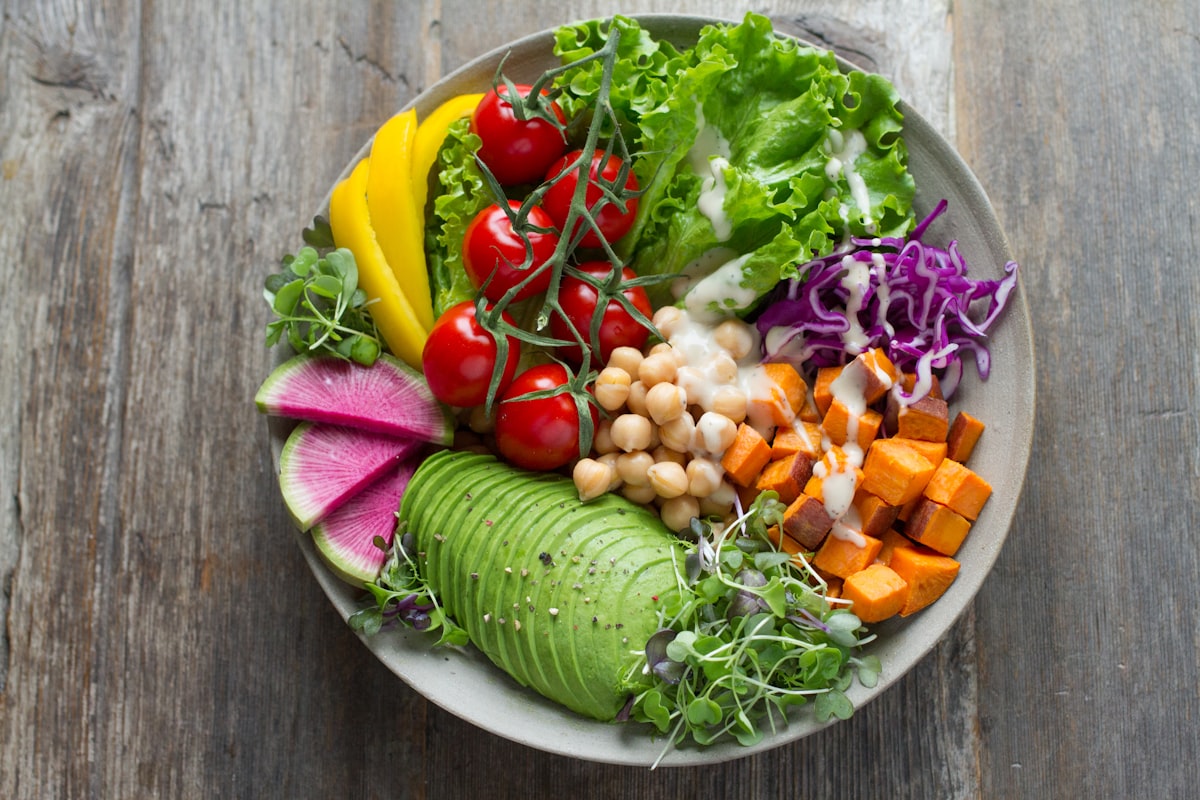
1. Asparagus and Cruciferous Vegetables
Asparagus contains high concentrations of Aspartic Acid, which boosts the efficiency of liver metabolic enzymes. This not only accelerates alcohol breakdown but also directly shields hepatocytes from toxins. Similarly, cruciferous vegetables like broccoli contain sulforaphane, which activates Phase II detoxification enzymes.
2. Eggs (Cysteine and Methionine Source)
Eggs are rich in Cysteine, a direct precursor to Glutathione. Consuming eggs post-alcohol provides the raw materials necessary for the liver's "detox factory," immediately reducing the metabolic burden on the organ.
3. Turmeric (Curcumin) and Milk Thistle
Curcumin in turmeric acts as a potent anti-inflammatory agent, lowering hepatic enzyme levels (ALT/AST) exacerbated by alcohol. Mayo Clinic data suggests that antioxidant-rich diets significantly inhibit the progression of hepatic fibrosis.
The Critical Role of Electrolytes
Alcohol inhibits anti-diuretic hormone (ADH) secretion, causing severe dehydration. Dehydration increases blood viscosity, reducing hepatic blood flow and creating a vicious cycle of delayed toxin clearance.
Electrolyte solutions containing sodium, potassium, and magnesium are far more effective than plain water at restoring intracellular hydration. The World Health Organization (WHO) emphasizes that mineral balance is essential for renal excretion of metabolic byproducts, thereby offloading the liver.
Liver Recovery Protocol
-
1
Glucose Support: Restore energy for alcohol metabolism with fruit juices or honey water.
-
2
Horizontal Rest: Supine positioning increases hepatic blood flow by over 30% compared to standing.
-
3
Lean Proteins: Repair damaged tissue with highly digestible proteins like tofu or white fish.
24-Hour Recovery Timeline
1-Hour Post-Waking
Warm Electrolytes: Prevent hypoglycemia and initiate metabolic activation. A pinch of sea salt in honey water is highly effective.
Midday Fuel
Tomato-Based Soup: Lycopene in tomatoes serves as a powerful antioxidant shield against oxidative damage.

Expert Guidance (FAQ)
Q1. Does 'hair of the dog' actually work?
This is a dangerous medical myth. It merely masks withdrawal symptoms while piling more toxins onto an already overtaxed liver, delaying true recovery.
Q2. Are hangover supplements worth it?
Most contain Taurine or Milk Thistle, which provide support, but they are not silver bullets. Hydration and amino acids remain the non-negotiable foundations.
Q3. How do I maintain long-term liver health?
Consistency is key. Follow FDA guidelines for balanced nutrition and ensure at least 2-3 alcohol-free days per week to allow for tissue regeneration.
Conclusion: Proactive Hepatic Care
The liver is often called the "silent organ" because it rarely shows symptoms until significant damage has occurred. Respecting your metabolic health means understanding the biochemical cost of alcohol and providing the nutritional care your body demands.
By prioritizing Aspartic Acid, Cysteine, and Curcumin, you can protect your hepatocytes and ensure sustainable vitality. FreeImgFix.com is dedicated to providing data-driven health insights for your proactive wellness.
Scientific Precision for Your Body
Authored by FreeImgFix Medical Science Team