
In our fast-paced global society, processed meats have become an inseparable part of the modern diet. From the morning bacon to the sandwich ham or the grilled hot dogs at family BBQs, their convenience is unmatched. However, since the World Health Organization (WHO) and the International Agency for Research on Cancer (IARC) officially classified processed meat as a Group 1 carcinogen, our dining tables have become a focal point for survival-based choices.
Moving beyond vague health concerns, it is time to face the scientific data and chemical mechanisms head-on. Why did processed meat receive the same Group 1 status as tobacco and asbestos? How does even a small daily intake of deli meat trigger irreparable DNA mutations? This expert editorial analysis explores the critical risks hiding behind the package.
The Group 1 Classification: Evidence vs. Potency
A common misconception is that a Group 1 classification indicates the level of risk. In reality, IARC’s categories represent the certainty of scientific evidence. Classifying processed meat as Group 1 means it is a scientifically established fact that these foods cause cancer in humans, leaving no room for debate.
While a single sausage might not carry the same absolute risk as a single cigarette, both are definite carcinogens that initiate cancerous mutations. The question is no longer "Does it cause cancer?" but "How can we strictly control our exposure?"
"Consumption of processed meat is no longer just a matter of dietary preference; it is a matter of managed exposure to a known toxin."
The Chemical Triggers: Nitrites & Nitrosamines
The danger of processed meat stems from additives and processing methods not found in fresh cuts of meat.
1. The Nitrosamine Attack
Sodium nitrite, used to maintain the pink color and prevent microbial growth, converts into nitrosamines when interacting with amino acids in the stomach. These compounds are highly reactive and directly attack the DNA chains of cells, inducing mutations that lead to tumor growth. Detailed toxicological profiles are available from the National Institutes of Health (NIH).
2. PAHs and HCAs: The Cost of Heat
The smoking process introduces polycyclic aromatic hydrocarbons (PAHs), similar to toxins found in vehicle exhaust. Additionally, high-heat cooking of these meats creates heterocyclic amines (HCAs), which are recognized as potent mutagens by the IARC.

The 50g Rule: An 18% Increase in Risk
Quantitative data provides a stark warning. According to meta-analyses, consuming just 50g of processed meat daily—roughly two slices of ham or one small hot dog—increases the risk of colorectal cancer by 18%.
This is not just a statistical probability; it is a clinical marker of intestinal distress, microbiome disruption, and chronic inflammation. For populations with rising rates of metabolic disorders and gastrointestinal issues, this number represents a critical health threshold.
Four Primary Damage Mechanisms
-
1
Genomic Damage: Nitro-compounds induce replication errors in genetic information.
-
2
Intestinal Inflammation: High sodium levels weaken the protective gut lining.
-
3
Oxidative Stress: Reactive oxygen species generated during processing accelerate cellular aging.
-
4
Microbiome Disruption: Preservatives can lead to an imbalance in gut flora.
Risk Mitigation: Practical Safety Strategies
If total abstinence is not feasible, use these physical and chemical barriers.
1. The Boiling Method
Boiling ham or sausages for 2-3 minutes before cooking can leach out a significant portion of water-soluble additives like sodium nitrite. This is a simple yet effective method recommended by health agencies like the U.S. FDA for reducing chemical intake.
2. Antioxidant Pairing
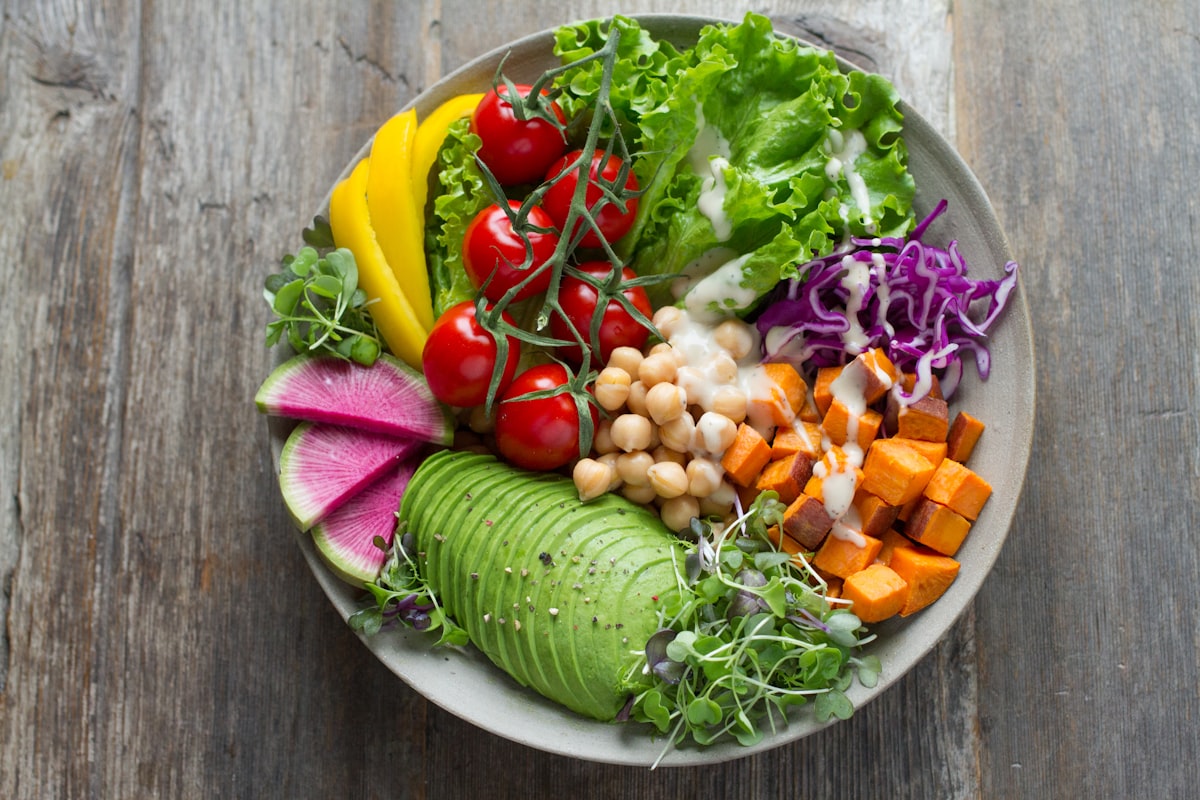
Vitamin C acts as a chemical inhibitor in the stomach, preventing the conversion of nitrites into carcinogens. Always pair processed meats with fresh vegetables. The chlorophyll in leafy greens and sulforaphane in broccoli act as potent detoxifiers.
Expert Q&A
Q. Is processed meat especially dangerous for children?
Yes. Children have lower body weights and developing detoxification systems. Exposure to carcinogens during rapid growth phases can be more detrimental to long-term DNA integrity.
Q. Does occasional consumption still carry risk?
Risk is cumulative. While the body's repair mechanisms can handle occasional stressors, frequent consumption turns these meats into a primary dietary toxin.
Conclusion: reclaiming Health in the Age of Convenience
The risks of processed meat are no longer a matter of speculation. An 18% increase in cancer risk is a definitive signal that our bodies are under stress from the convenience we consume. In 2026, it is time to audit your pantry.
A healthy life starts with small decisions: the decision to boil your ham, the decision to triple your vegetable intake, and the decision to prioritize fresh ingredients. FreeImgFix.com will continue to provide the scientific clarity you need to thrive in a toxic world.
A clean diet is the ultimate key to your longevity.