
It is 10 PM. The house is quiet, but your mind is racing toward the kitchen. Despite having eaten dinner just hours ago, an overwhelming urge to eat takes hold. This is not a mere lack of willpower or a simple habit of "late-night snacking." For many, it is a clinical metabolic condition known as Night Eating Syndrome (NES).
In Western societies, where food availability is 24/7 through apps like Uber Eats or DoorDash, NES has become an escalating concern. It involves consuming at least 25% of your daily calories after your evening meal, often coupled with morning anorexia (loss of appetite for breakfast) and frequent awakenings to eat. This guide dives deep into the circadian rhythm and hormonal science required to reset your body and reclaim your nights.
The Deep Science of NES: Why Hunger Peaks at Night
Appetite regulation is governed by the delicate dance between Leptin (the satiety hormone) and Ghrelin (the hunger hormone). In those with NES, Leptin levels abnormally drop at night, while Cortisol (the stress hormone) spikes. This chemical imbalance tricks the brain into a state of perceived starvation.
Furthermore, a deficiency in Melatonin—the hormone responsible for sleep and metabolic regulation—is a primary culprit. Without adequate melatonin, the body's master clock becomes desynchronized, leading to "False Hunger." When we consume high-sugar or ultra-processed foods during these episodes, we trigger insulin spikes that further solidify this destructive metabolic cycle.
"Beating Night Eating Syndrome isn't about resisting hunger; it's about engineering your dinner to send signals of 'safety and abundance' to your nervous system."
Hormonal Stabilization: The 3 Nutritional Pillars
Strategic nutrient selection at dinner acts as a biological shield against late-night cravings.
1. Tryptophan: The Precursor to Peace
Tryptophan is an essential amino acid that serves as the raw material for Serotonin, which in turn converts to Melatonin. By prioritizing tryptophan at dinner, you provide your brain with the tools to feel emotionally stable and physically drowsy. Lean proteins like salmon, turkey, eggs, and tofu are excellent sources. Research from the National Institutes of Health (NIH) consistently highlights the link between amino acid balance and sleep-wake cycles.
2. Complex Carbohydrates: The Insulin Anchor
Extreme low-carb diets can actually worsen NES. Tryptophan requires a modest insulin response to cross the blood-brain barrier effectively. Choosing non-refined "slow" carbs like quinoa, sweet potatoes, and brown rice ensures a steady release of glucose. This prevents the "blood sugar crash" that often triggers midnight pantry raids.
3. Magnesium: Nature's Neural Relaxant
Magnesium is crucial for activating the parasympathetic nervous system. It reduces the biological impact of stress, allowing the body to enter a restorative state. Spinach, kale, almonds, and pumpkin seeds should be staples on your evening plate. According to data from the CDC, a significant portion of the population is deficient in this mineral, contributing to widespread metabolic and sleep issues.
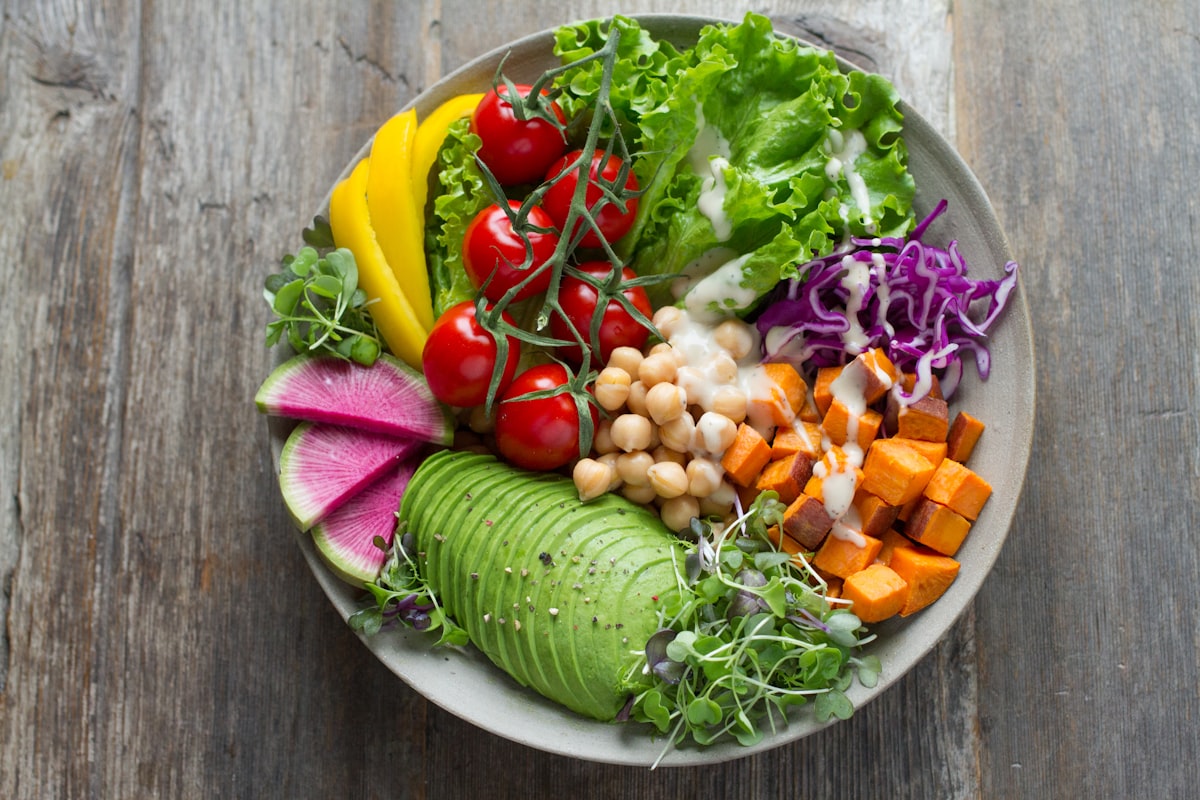
The Expert-Recommended Dinner Model
To maximize metabolic efficiency and shut down hunger, follow this specific plating guide:
01 Lean Protein (5.5 - 7 oz)
Choose low-saturated fat proteins. Avoid fried options, as they slow down digestion excessively, disrupting sleep quality and causing morning sluggishness.
02 High Fiber Content (50% Plate)
Fiber delays gastric emptying, ensuring you feel full longer. Steamed vegetables are preferred as they are easier on the digestive tract during the night.
03 Resistant Starch (1/2 Cup)
Include grains rich in resistant starch. These feed beneficial gut bacteria that produce short-chain fatty acids, which signal long-term satiety to the brain.
04 Warm Hydration (8 oz)
Finish your meal with a warm herbal tea. Warmth provides a sensory "stop" signal to the brain, effectively ending the feeding window.
The 4-7-8 Rules for Hormonal Reset
Timing is just as important as the food itself. Reset your biological clock with these three mandates:
-
⏰
4-Hour Digestion Gap Maintain a 4-hour window between your last meal and bedtime. This allows insulin levels to drop, enabling the secretion of growth hormones that facilitate nighttime fat oxidation.
-
📵
7:00 PM Blue Light Ban Blue light from smartphones suppresses melatonin instantly. This artificial wakefulness drains mental energy, making you significantly more vulnerable to impulsive eating.
-
🌙
8 Hours of Quality Sleep Sleep deprivation increases Ghrelin by 28% and decreases Leptin by 18%. Quality rest is the most powerful and cost-effective medication for metabolic health.

Managing Dopamine and Emotional Hunger
NES is often an attempt to solve an "emotional deficit" with food. To break the habit, you need new dopamine pathways. A warm bath or 10 minutes of light reading provides the brain with serenity instead of the short-lived hit of sugar.
If a craving strikes, apply the 15-Minute Rule. Impulsive urges typically peak and decline within 15 minutes. By practicing deep breathing or moving to a different room, you allow your prefrontal cortex—the logical brain—to regain control over the primal urge to eat.
Frequently Asked Questions (FAQ)
Q1. I have no appetite in the morning. Is it okay to skip breakfast?
Breakfast is the primary "synchronization signal" for your biological clock. Even a small amount of protein helps tell your brain that the day has started, which naturally suppresses excessive nighttime hunger later.
Q2. What should I do if I have a late business dinner?
Focus on vegetables and water. Extend your morning fasting window by 1-2 hours the next day to allow for metabolic recovery. Clinical studies published in JCEM suggest that metabolic flexibility helps mitigate occasional late meals.
Q3. Are sugar-free sodas okay at night?
Artificial sweeteners can confuse the brain, potentially leading to stronger cravings for actual sugar. It is far better to stick to herbal teas or room-temperature water for neural stability.
Conclusion: Reclaim Your Night, Reclaim Your Life
Overcoming Night Eating Syndrome is a profound journey of rebuilding your life's rhythm. Replace the comfort sought through food with deep rest and cellular regeneration. The dinner and lifestyle strategies proposed today will sharpen your mind and energize your mornings.
Small changes compound into significant health transformations. Your healthy future starts with your choices tonight. FreeImgFix.com is here to support every step of your journey toward a balanced life.
Master your health with FreeImgFix.com today!