
In modern biochemistry, the liver is defined as more than just a detoxification organ; it is the central metabolic control room that maintains systemic homeostasis. Within this 1.5kg organ, thousands of chemical reactions occur every minute to shield our bodies from harmful toxins. However, highly processed foods, chronic stress, and environmental pollutants are pushing the modern liver to its physiological limits.
Traditionally, Milk Thistle has been the gold standard for liver support, with its efficacy well-documented in scientific literature. Yet, recent clinical studies suggest that combining its primary active compound, Silymarin, with Curcumin (the essence of turmeric) yields exponential biological benefits. This report provides a precise analysis of how these two compounds interact within the liver to drive cellular-level healing.
Milk Thistle's Silymarin: Guardian of Hepatocyte Structure
Silymarin, the core complex found in Milk Thistle, is a mixture of flavonolignans including silybin, silydianin, and silychristin. According to data from the National Institutes of Health (NIH), Silymarin plays a critical role in maintaining hepatocyte (liver cell) stability.
1. Regulating Cell Membrane Permeability
Silymarin occupies receptors on the outer cell wall of hepatocytes, physically blocking the entry of toxic substances such as phalloidin or carbon tetrachloride. This serves as the first line of defense against external chemical insults.
2. Accelerating Ribosomal Protein Synthesis
Recovery of damaged liver tissue depends on protein synthesis. Silymarin stimulates RNA polymerase I, accelerating the production of ribosomal proteins. This significantly enhances the liver's regeneration rate, allowing it to repair itself faster than normal.
3. Optimizing Glutathione Levels
Glutathione, the liver's master antioxidant, is rapidly consumed during the detoxification process. Silymarin prevents this depletion and aids in the endogenous production of glutathione, maximizing the liver's innate purification capacity.
The peak of liver health is achieved not just by taking supplements, but when structural regeneration (Milk Thistle) and biochemical inflammation suppression (Curcumin) occur simultaneously.
Curcumin: Potent Anti-inflammatory and Bile Innovation
Curcumin, derived from turmeric, is a natural anti-inflammatory compound recognized by organizations like the World Health Organization (WHO). Its role in liver health is focused on resolving the root cause of damage: inflammation.
1. Blocking Inflammation Pathways (NF-kB)
The progression to hepatitis or fatty liver involves the NF-kB protein, a specific inflammatory "switch." Curcumin inhibits the activation of this switch, regulating systemic inflammation and preventing the fibrosis of liver tissue. Boldly highlighted clinical evidence suggests this is the primary mechanism for preventing chronic liver disease transition.
2. Choleretic Effect (Promoting Bile Secretion)
Purified toxins in the liver must be mixed with bile and excreted through the intestines. Curcumin induces gallbladder contraction and smooths bile flow, effectively opening the "highway" for toxin elimination. This is a critical factor in mitigating Non-Alcoholic Fatty Liver Disease (NAFLD).

Proven Synergy: Why This Combination?
Using Milk Thistle and Curcumin together is not a simple addition; it is the construction of a complementary biochemical network.
-
1
Full-Cycle Detox Management: While Milk Thistle blocks toxins and repairs cells, Curcumin swiftly pushes the processed waste out of the body. It is equivalent to simultaneous machine repair and waste disposal in a factory.
-
2
Multi-Angle Antioxidant Shield: By stimulating different antioxidant pathways, they leave no room for oxidative stress within the liver, resulting in significantly faster fatigue recovery.
-
3
Metabolic Syndrome Interaction: Normalizing liver function improves insulin resistance. The blood sugar stabilizing effect of Curcumin paired with the lipid metabolism boost of Milk Thistle completes a healthy metabolic cycle.
The Critical Challenge: Optimizing Bioavailability
No matter how potent a compound is, it is useless if not absorbed. Curcumin, in particular, is notorious for its low bioavailability. As emphasized in nutrition guides from the U.S. Food and Drug Administration (FDA), strategies to enhance absorption are essential.
Always choose products containing Piperine (black pepper extract) or those utilizing nano-micellar technology. Furthermore, since both are lipophilic, they should be taken immediately after a meal containing fats (like olive oil or nuts) to ensure maximum delivery to the liver.
Expert Liver Care Protocol (How-To)
Supplements are only part of the equation. Here are three expert principles for daily liver protection.
Strategic Recovery Phases
The liver has immense self-regeneration power. After alcohol consumption, allow at least 72 hours of total abstinence to give the liver the environment it needs to focus on repair with the help of Silymarin.
Eliminating Liquid Fructose
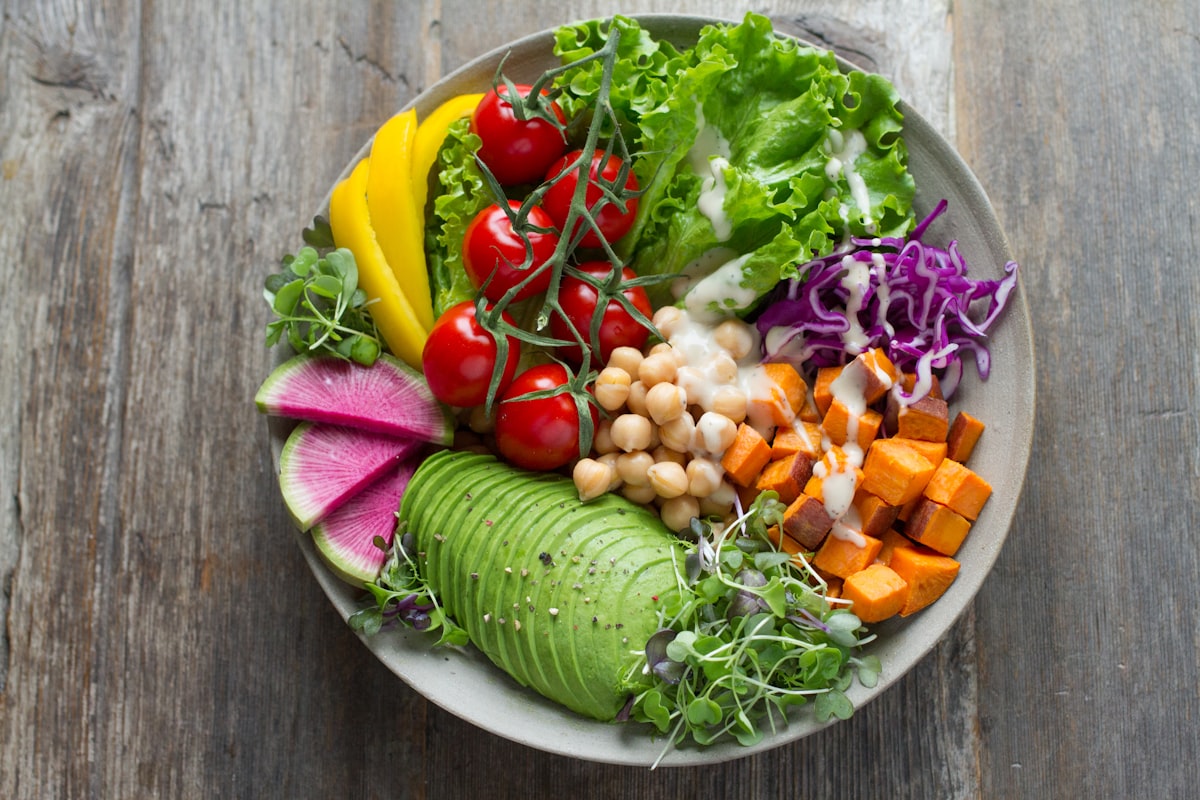
Liquid fructose is converted directly into liver fat. Choose fiber-rich vegetables over processed beverages to directly prevent hepatic fat accumulation.
Expert Q&A: Common Liver Health Questions
Q1. Can I take Milk Thistle year-round?
While generally safe, we recommend a "cycling method"—6 months of use followed by a 1-month break—to maintain the body's natural adaptive mechanisms.
Q2. Who should be cautious with Curcumin?
Individuals with gallstones or those taking blood thinners should consult a healthcare professional. Curcumin's choleretic and blood-thinning effects may interfere with certain conditions.
Conclusion: Your Liver Reflects Your Care
The liver is a silent organ; by the time it begins to "scream," it is often too late. By wisely combining the structural protection of Milk Thistle with the purifying action of Curcumin, you can liberate your liver from the myriad toxins of modern society.
We invite you to start a science-based health management routine today. The vitality that a rejuvenated liver provides will fundamentally transform your quality of life.
A healthier liver and a more vibrant future start today.
Note: This article was reconstructed by editors based on the latest bio-research and medical guidelines.