
As life expectancy continues to rise due to medical advancements, the global focus has shifted toward not just living longer, but maintaining cognitive integrity. Neurodegenerative diseases, including Alzheimer's, have become a primary concern for aging populations worldwide. Amidst various pharmacological efforts, the Mediterranean Diet stands out as one of the most scientifically validated non-invasive interventions for brain health.
This nutritional pattern, rooted in the traditional eating habits of countries bordering the Mediterranean Sea, acts as a comprehensive "bio-logic" system that protects neurons and maintains synaptic plasticity. Backed by decades of robust clinical data, we explore the mechanisms through which this diet serves as a shield against cognitive decline.
1. The Mediterranean Blueprint: Fueling the Neural Engine
The core of the Mediterranean diet is its emphasis on whole, unprocessed foods. While the brain accounts for only 2% of body weight, it consumes over 20% of the body's energy. This high metabolic activity makes it particularly vulnerable to oxidative stress and inflammation.
A defining feature of this diet is the abundance of Monounsaturated Fatty Acids (MUFAs) found in Extra Virgin Olive Oil. Since the brain is composed of approximately 60% fat, the quality of dietary fat directly influences neuronal membrane fluidity and signaling efficiency. For official nutritional guidelines, you can refer to the World Health Organization (WHO) resources.
"The Mediterranean diet is not merely a weight-loss tool; it is a clinical-grade preventative measure that regulates neuroinflammation and enhances cognitive longevity."
2. Scientific Mechanisms of Neuroprotection
A. Mitigation of Chronic Neuroinflammation
Modern neuroscience identifies chronic inflammation as a primary driver of neurodegeneration. Western diets high in refined sugars and saturated fats trigger inflammatory cytokines in the brain. Conversely, the Mediterranean diet provides high doses of anthocyanins from berries, Vitamin E from nuts, and oleocanthal from olive oil—acting as natural anti-inflammatory agents that cross the blood-brain barrier.
B. Enhancing Brain-Derived Neurotrophic Factor (BDNF)
BDNF is often described as "fertilizer for the brain," supporting the survival of existing neurons and encouraging the growth of new ones. Consistent adherence to Mediterranean nutrition has been linked to higher hippocampal BDNF levels, which directly translates to improved memory retention and learning capacity.
C. Prevention of Beta-Amyloid Accumulation
The hallmark of Alzheimer’s disease is the buildup of beta-amyloid plaques, toxic protein fragments that disrupt cell-to-cell communication. Studies suggest that the Mediterranean diet promotes the brain's "glymphatic system," effectively clearing these toxic wastes. Omega-3 fatty acids from fish play a crucial role in enhancing cerebral blood flow to facilitate this process. Technical datasets can be found through the National Institute on Aging (NIA).
3. The Evolution: The MIND Diet
The MIND Diet (Mediterranean-DASH Intervention for Neurodegenerative Delay) is a specialized hybrid designed specifically for cognitive health. By emphasizing leafy greens and berries, researchers found that participants who strictly followed the MIND diet had brains that functioned as if they were 7.5 years younger than their peers.
Editorial Recommendations: Core Principles
-
✓
Healthy Fats: Replace all industrial seed oils and butter with high-quality Extra Virgin Olive Oil.
-
✓
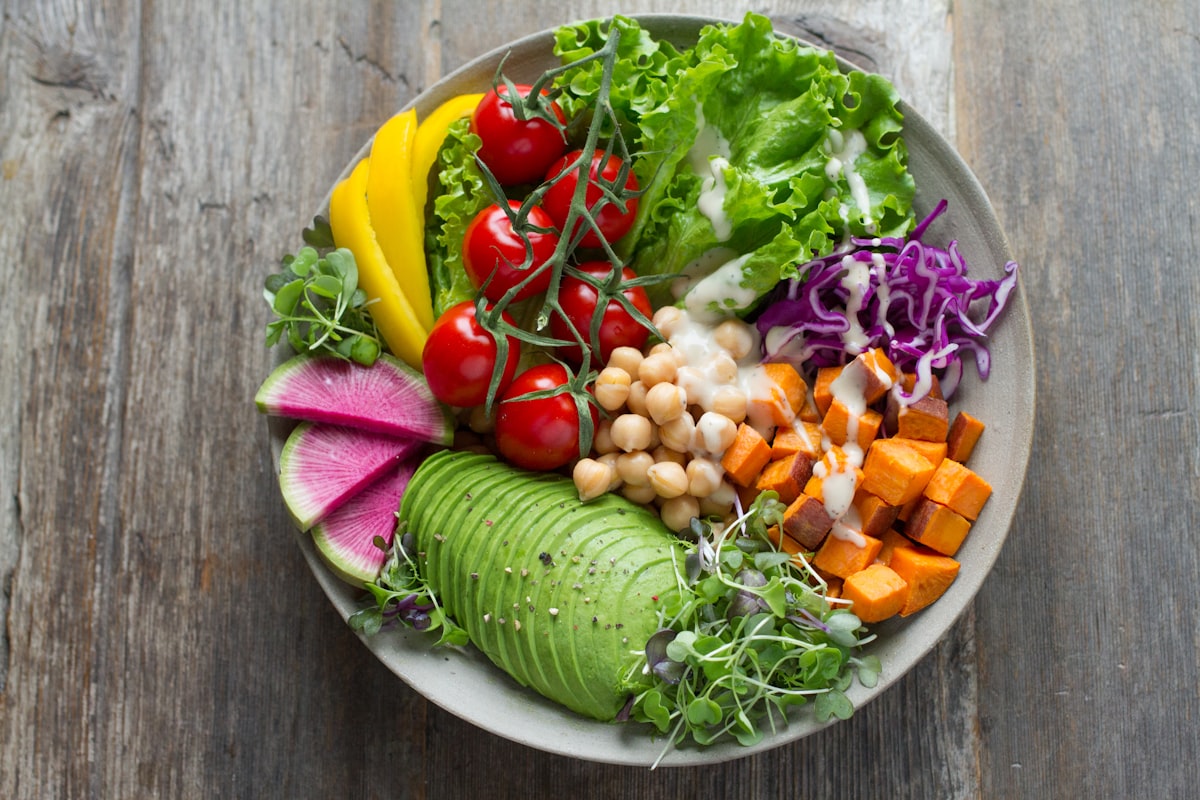
Antioxidant Diversity: Ensure your plate contains a spectrum of colors (berries, kale, carrots) daily.
-
✓
Lean Protein Selection: Limit red meat to special occasions; prioritize salmon, legumes, and poultry.
-
✓
Nutritional Snacking: Swap processed snacks for raw walnuts or almonds to provide essential DHA precursors.
4. Practical Application in Modern Lifestyle
You don't need to live in Greece to reap the benefits. The principles of the Mediterranean diet can be adapted to any local cuisine by focusing on the underlying nutritional logic rather than specific regional recipes.
Whole Grain Focus
Transition from white rice and bread to ancient grains like farro, barley, or quinoa. Stable blood sugar is vital for insulin-sensitive brain cells.
Social Dining
The Mediterranean lifestyle includes the social aspect of eating. Reducing stress during meals further lowers cortisol levels, a known neurotoxin.
Frequently Asked Questions (FAQ)
Q: Does cooking with olive oil destroy its brain-healthy properties?
A: Extra Virgin Olive Oil has a smoke point between 375°F and 410°F, making it stable for most home cooking methods. Its polyphenols remain largely intact unless exposed to extreme, prolonged heat.
Q: Is it too late to start if cognitive decline has already begun?
A: Research from institutions like the Mayo Clinic indicates that dietary interventions can slow the progression of mild cognitive impairment at any stage due to neuroplasticity.
Conclusion: Investing in Your Future Memory
Preventing dementia isn't an overnight task—it is the cumulative result of daily choices made at the dining table. The Mediterranean Diet offers a delicious, sustainable, and scientifically proven pathway to maintaining your self-identity and precious memories well into your senior years.
By choosing fresh ingredients, healthy fats, and a mindful approach to eating, you are giving your brain the resilience it needs to withstand the test of time. Start today by incorporating one more serving of vegetables or a drizzle of olive oil into your next meal.
FreeImgFix.com is committed to your journey toward lifelong cognitive vitality.