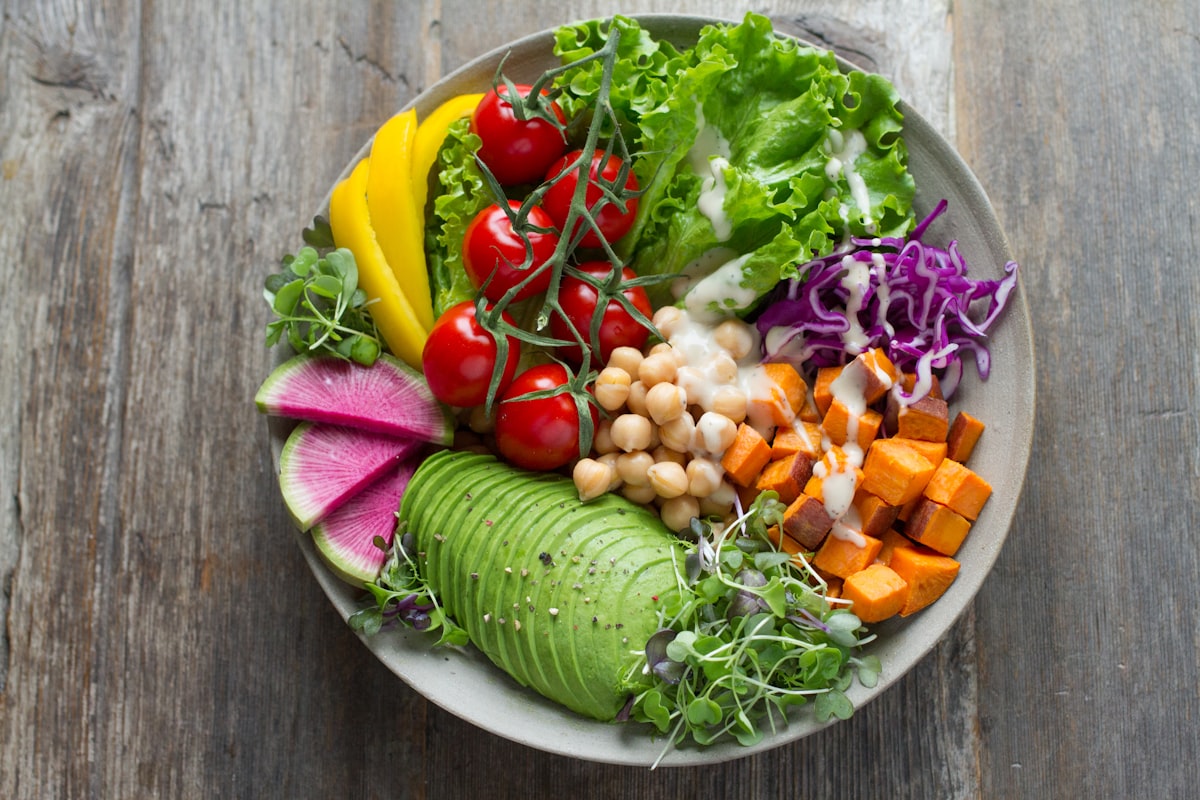
A vegan lifestyle has evolved from a niche dietary choice into a globally recognized movement for health, sustainability, and ethics. Research from organizations such as the Academy of Nutrition and Dietetics confirms that well-planned vegan diets are healthful and nutritionally adequate. However, achieving this balance requires a strategic approach to specific nutrients that are predominantly found in animal products.
This guide focuses on the two most critical "nutritional gaps" in plant-based eating: Vitamin B12 and Iron. These nutrients are vital for neurological health, energy metabolism, and oxygen transport. Using the latest scientific data from 2026, we will explore how to optimize your intake and ensure your vegan journey remains vibrant and sustainable.
Vitamin B12: The Non-Negotiable Essential
Vitamin B12 (Cobalamin) is unique because it is synthesized solely by certain bacteria. In modern, sanitized agricultural systems, soil-based bacteria are largely removed from produce, meaning plant-based foods do not naturally contain reliable amounts of B12. For vegans, supplementation is not just an option—it is a physiological necessity.
1. Physiological Role and Deficiency Risks
B12 is essential for maintaining the myelin sheath that protects nerve cells and for the maturation of red blood cells. According to the National Institutes of Health (NIH), deficiency can lead to megaloblastic anemia and irreversible neurological damage. Symptoms often start subtly with fatigue or numbness but can progress to significant cognitive decline if left untreated.
2. Modern Supplementation Strategies
The most stable and widely recommended form for vegans is Cyanocobalamin. It is cost-effective and highly resistant to light and temperature. Options include a daily low-dose supplement (25-100 mcg) or a once-weekly high-dose (2,500 mcg). Alternatively, consistent consumption of fortified foods—such as nutritional yeast, plant milks, and cereals—can meet daily requirements if consumed multiple times a day.
"B12 deficiency can take years to manifest because the body stores it in the liver. Don't wait for symptoms; proactive supplementation is the hallmark of a smart vegan."

Iron: Bridging the Heme and Non-Heme Gap
Iron is crucial for hemoglobin production, which carries oxygen throughout the body. Vegans consume non-heme iron, which has a lower bioavailability compared to the heme iron found in meat. However, with the right culinary techniques, you can maximize absorption to meet all your needs.
1. The Vitamin C Catalyst
The most powerful tool in a vegan's arsenal is Vitamin C (Ascorbic Acid). Pairing iron-rich foods (like lentils, spinach, and quinoa) with Vitamin C sources (like bell peppers, citrus, or strawberries) can increase iron absorption by up to 500%. This chemical reaction converts non-heme iron into a more soluble form that the gut can easily process.
2. Managing Inhibitors
Iron absorption is highly sensitive to inhibitors. Tannins and polyphenols in tea and coffee, as well as phytates in whole grains and legumes, can bind to iron and prevent absorption. To mitigate this, experts suggest waiting at least one hour after a meal before consuming these beverages. Soaking or sprouting grains also significantly reduces phytate levels.

Integrated Nutritional Strategy for 2026
Beyond B12 and Iron, a holistic view of nutrient synergy is required for long-term health.
1. Omega-3: Beyond Flaxseeds
While flax and chia seeds provide ALA, the body's conversion to EPA and DHA (critical for brain health) is often inefficient. Consider an Algae-based Omega-3 supplement. This skips the middleman (fish) and provides direct DHA/EPA from the original source.
2. The Calcium and Zinc Balance
Calcium-fortified plant milks and tofu are excellent sources. However, be mindful that high calcium intake during an iron-rich meal can slightly inhibit iron absorption. Space out high-calcium meals if you are focusing on increasing iron stores.
Expert Weekly Nutrition Checklist
-
✔
B12 Routine: Are you taking your supplement consistently or eating 3 servings of fortified foods daily?
-
✔
Vitamin C Pairing: Did every major meal include a high-Vitamin C fruit or vegetable?
-
✔
Beverage Timing: Are you keeping tea and coffee at least 60 minutes away from your meals?
-
✔
Annual Blood Work: Have you checked your serum ferritin and B12 levels in the last 12 months?
Implementation: Vegan Supplementation Step-by-Step
1. Supplement Selection
Choose Cyanocobalamin for stability. Check for third-party testing (USP or NSF) to ensure purity.
2. Iron-Dense Meal Planning
Incorporate cast-iron cooking. Using an "Iron Fish" or cast-iron pans can leach beneficial iron into acidic foods like tomato sauce.
3. Reduction of Anti-Nutrients
Prioritize leavened breads, sprouted beans, and fermented soy (Tempeh) to unlock bound minerals.
4. Regular Monitoring
Track your energy levels. If you feel persistent fatigue, consult a professional to adjust your iron or B12 dosage.
Frequently Asked Questions (FAQ)
Q1: Is Vitamin B12 found in seaweed or Nori?
While trace amounts are found, they are often "pseudo-B12" (analogs) which can actually interfere with real B12 absorption. Do not rely on seaweed as your primary B12 source.
Q2: Can I get too much iron on a vegan diet?
Excess iron from food is rare because the body regulates non-heme iron absorption based on current stores. However, avoid high-dose iron supplements unless specifically prescribed by a doctor.
Q3: Should vegan children take supplements?
Yes. Proper development of the nervous system requires consistent B12. Consult a pediatric nutritionist to determine the correct dosage for growth stages.
Conclusion: Smart Veganism for a Sustainable Future
A successful vegan diet is defined by inclusion, not just exclusion. By proactively managing Vitamin B12 and optimizing iron absorption, you transform your diet into a powerhouse of longevity and vitality.
We live in an era where nutritional science allows us to thrive while living according to our values. Supplements are not "unnatural"—they are a triumph of modern science that enables us to live ethically in a sanitized world. Start implementing these small changes today for a healthier tomorrow.
Build a sustainable future with FreeImgFix.com