
Modern biology is redefining humans not as simple independent organisms, but as Holobionts—super-organisms coexisting with trillions of microbes. This sophisticated system, home to approximately 38 trillion microorganisms—exceeding the number of our own cells—is known as the Microbiome. It acts as a second genome, compensating for human genetic limitations and serving as a central controller for metabolism, neurobiology, and especially the immune system.
The Essence and Medical Value of the Microbiome
The microbiome is an ecological concept encompassing the microbiota within a specific environment and their collective genomes and metabolites. The large intestine, where over 95% of human microbes reside, is a highly developed biological filter and immune training ground. Experts define the state where the microbial ecosystem loses its balance as Dysbiosis, which is now clearly identified as the root cause of many modern chronic diseases.
A healthy microbiome does more than physically block the colonization of pathogens; it synthesizes essential nutrients like Vitamin K and B12 and breaks down complex polysaccharides to optimize body energy metabolism. It is a well-established clinical fact that higher microbial diversity leads to reduced systemic inflammation and enhanced resilience against external stressors.
"Gut microbes are like a vast library where our immune cells learn how to distinguish between friend and foe. When this library is lost, our defense system may begin to attack itself or leave us vulnerable to external threats."
The Mechanism of the Gut-Immune Axis
The fact that 80% of human immune cells are located beneath the gut mucosa signifies that the gut environment is the core of our systemic defense. Gut microbes and the immune system exchange information in real-time through a bidirectional communication pathway called the Gut-Immune Axis.
1. Induction of Immune Tolerance and T-cell Optimization
Beneficial bacteria send signals of Immune Tolerance, teaching immune cells not to overreact to harmless substances. They specifically induce the production and activation of Regulatory T-cells (Tregs), fundamentally lowering the risk of allergic reactions and autoimmune diseases. A poor microbial environment causes the immune system to react hypersensitively to minor antigens, causing chronic low-grade inflammation.
2. Strengthening the Gut Barrier and Epithelial Integrity
A healthy microbial community maintains the Tight Junctions between gut epithelial cells. This acts as a physical barrier, perfectly blocking harmful toxins and undigested proteins from entering the bloodstream. When these junctions loosen, Leaky Gut Syndrome occurs, triggering systemic inflammation that acts as a catalyst for cognitive decline, skin issues, and metabolic disorders.
Short-Chain Fatty Acids (SCFAs): Fuel for the Immune System
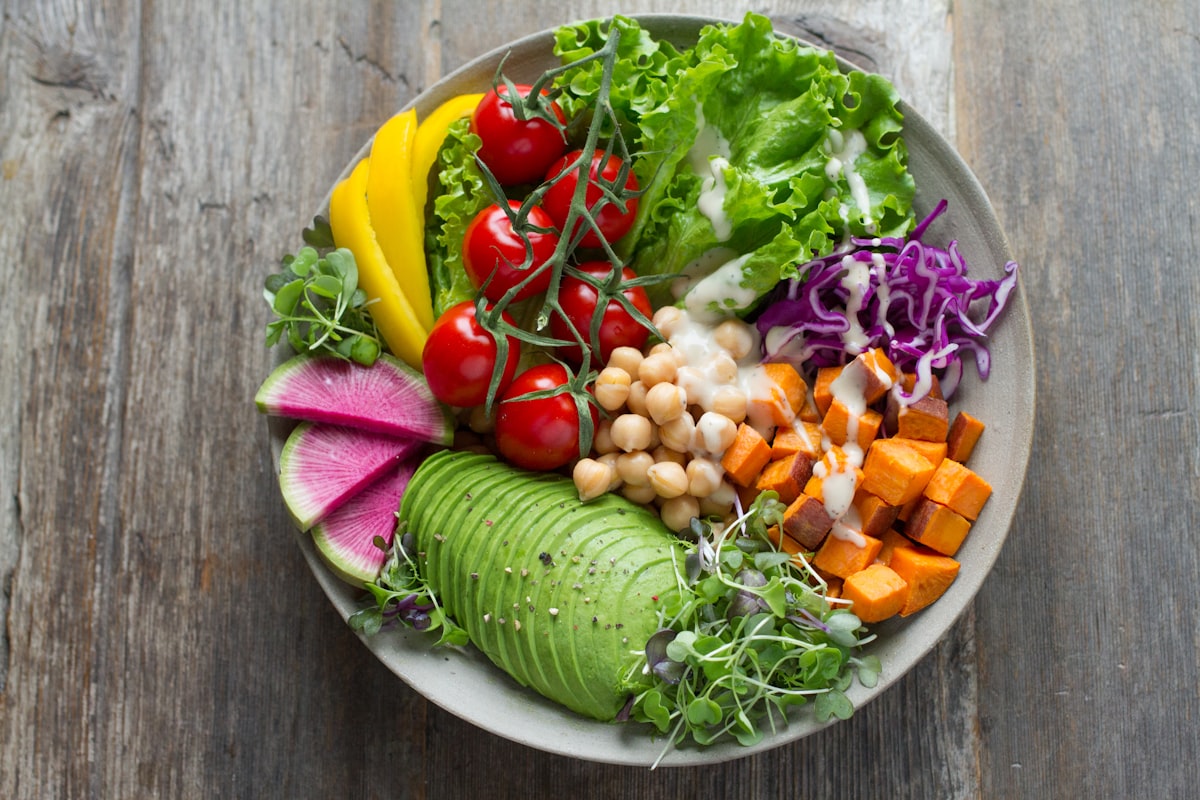
Short-Chain Fatty Acids (SCFAs), produced when beneficial gut bacteria ferment the soluble fiber we consume, are key molecules in immune regulation. Among them, Butyrate serves as the primary energy source for gut epithelial cells and possesses powerful anti-inflammatory properties that inhibit cancer cell proliferation and regenerate damaged mucosa.
The modern diet, heavy in processed foods, leads to fiber depletion, resulting in the starvation of beneficial bacteria and reduced SCFA production. This scientific mechanism is highlighted in recent health reports from the National Institutes of Health (NIH) and the World Health Organization (WHO) as a vital metric for overcoming modern diseases.
Threats to the Microbiome Ecosystem
Modern lifestyle habits are destroying the symbiotic relationships with microbes that have been solidly maintained for tens of thousands of years.
- Indiscriminate Antibiotic Use: Antibiotics indiscriminately destroy not only pathogenic bacteria but also the beneficial microbes that are the pillars of the gut ecosystem. Recovery from a single strong course can take months or even years.
- Excessive Refined Sugar and Additives: Simple sugars help opportunistic pathogens proliferate rapidly, devastating the habitats of beneficial bacteria and leading to dysbiosis.
- Chronic Stress and Cortisol: Through the Brain-Gut-Microbiome (BGM) Axis, psychological pressure increases gut permeability and immediately alters microbial composition.
Self-Diagnosis Metrics for Microbiome Imbalance
Persistent bloating, irregular bowel movements, or sudden food intolerances.
Adult acne, eczema, unexplained itching, or joint discomfort.
Chronic brain fog, unexplained anxiety, or abnormal cravings for sugary foods.
Slow recovery from colds or seasonal allergy symptoms that repeat every year.
Strategies to Restore Gut Ecosystem for Maximum Immunity
1. Supplying Diverse Prebiotics
Diversity in dietary fiber is more important than mere quantity. Consuming a variety of sources such as inulin-rich burdock and Jerusalem artichoke, and fructooligosaccharide-rich bananas, onions, and garlic creates an environment where various microbial species can coexist.
2. Supplementing Active Cultures and Metabolites
In addition to probiotics, actively utilize natural fermented foods like Kimchi, Natto, Sauerkraut, and Kombucha. These contain not only beneficial bacteria but also Postbiotics—the metabolites they produce—offering immediate gut barrier strengthening effects.

Expert Health Q&A
Q1. Are probiotic supplements enough for good health?
Supplements are like planting seeds. If the 'soil' (diet) is not fertile, the seeds will only have a temporary effect. A fiber-rich diet must accompany supplements for beneficial bacteria to truly take root.
Q2. Does stress directly harm gut health?
Yes. When the brain detects stress, it immediately releases hormones that increase gut permeability. This mental anxiety translates into a physical 'leak' in the gut, inducing systemic inflammation.
Conclusion: Gut Ecosystem Management is the Most Reliable Health Investment
Our health depends on maintaining a harmonious ecosystem with trillions of microbes within us. The microbiome is reconstructed every moment by the food you ate yesterday, the emotions you felt today, and the quality of sleep you took.
The most powerful defense shield—stronger than any cutting-edge medical technology—is your gut microbial forest. Cultivating this forest to be lush and diverse will lead you to true systemic health.
FreeImgFix.com – Premium Health Guides Designed with Scientific Insight