
In our modern society, aging is often viewed as an inevitable fate. However, the medical and nutritional communities have shifted focus from mere longevity (Lifespan) to 'Healthspan'—the period of life spent in good health. At the center of this movement is the Slow-aging diet. It is now widely accepted that the foods we consume daily act as switches for our genes, directly influencing the rate of cellular decay.
Why Simple Sugars are the Primary Catalyst
The most critical physiological principle of the slow-aging diet is maintaining blood glucose homeostasis and improving insulin sensitivity. The biggest obstacle to this is simple sugars. Sucrose, high-fructose corn syrup, and refined white flour are absorbed almost instantly, causing explosive glucose spikes. The pancreas responds by secreting excessive insulin, creating significant metabolic stress throughout the body.
Repeated glucose spikes lead to insulin resistance. This condition is not just a precursor to metabolic diseases; it elevates systemic inflammation and accelerates the accumulation of Advanced Glycation End-products (AGEs), which destroy collagen fibers. Essentially, every sugary beverage is a catalyst that strips away skin elasticity and accelerates organ aging.
"Simple sugars are more than just calories. They are chemical stressors that modify the protein structures of our bodies, leading to functional cellular decline."
The Danger of Glycotoxins (AGEs)
Restricting simple sugars is vital for inhibiting the production of Glycotoxins. Excess sugar in the bloodstream binds with proteins or fats to form irreversible aging compounds known as Advanced Glycation End-products (AGEs). These toxins are difficult to break down and cause the skin's dermis to stiffen, resulting in wrinkles and hyperpigmentation.
More alarmingly, they impact the vascular and nervous systems. Glycotoxins trigger inflammation in vascular endothelial cells, sowing the seeds for hypertension and cardiovascular disease. In the brain, they accelerate the accumulation of tau proteins and beta-amyloid, leading to cognitive decline. The World Health Organization (WHO) strongly recommends reducing free sugar intake to less than 5% of total energy intake, a cornerstone of the slow-aging protocol.

Concrete Strategies for a Slow-Aging Diet
1. Switch Refined Carbs for Whole Grains and Legumes
White rice, white bread, and traditional pasta may be palatable, but they act as glucose bombs in the body. Replace these with oats, lentils, chickpeas, and quinoa—complex carbohydrates rich in fiber and protein. Fiber slows down carbohydrate breakdown, ensuring a steady insulin response, while minerals enhance cellular antioxidant capacity. According to Harvard Health Publishing, whole-grain-centric diets are highly effective at lowering markers of chronic inflammation.
2. The Magic of Eating Order: Fiber First
Consumption order is just as important as nutritional content. Start your meals with plenty of vegetables (fiber) to form a protective barrier in the intestinal lining. Follow this with proteins and fats, and conclude with carbohydrates. This simple sequence can suppress glucose spikes by up to 50% without any additional cost.
3. Total Elimination of Liquid Sugars
Sugars in liquid form bypass the mastication process, delivering an immediate load to the liver and disrupting the metabolic system. Sodas, commercial fruit juices, and sweetened coffees must be eliminated. Instead, choose antioxidant-rich green tea, rooibos tea, or sparkling water with a twist of lemon.
Editor's Choice: The 3-3-3 Longevity Rule
-
✅
3 Varieties of Colorful Veggies Daily: Ensure a wide spectrum of phytochemicals by eating various colored vegetables with every meal.
-
✅
Zero 'White' Processed Foods: Stay away from white sugar, refined salt, and white flour products.
-
✅
30 Chews Per Bite: Proper chewing activates enzymes in saliva, stabilizing blood glucose and improving digestive health.
Mental Health and Slow-Aging: Protecting Brain Youth
Limiting simple sugars is not just for physical appearance; it protects your brain's healthspan. Chronic high blood glucose damages insulin receptors in brain cells, contributing to what is now often called 'Type 3 Diabetes'—a precursor to Alzheimer's disease. Emotional volatility and 'brain fog' caused by glucose spikes are emergency signals from your brain.
Recent neuroscientific research highlights that neuroplasticity improves when simple sugars are replaced with complex carbs and healthy fats. Clarity of thought and emotional balance begin with glucose stability. If you want to slow down brain aging, you must put down the sugary snacks today.
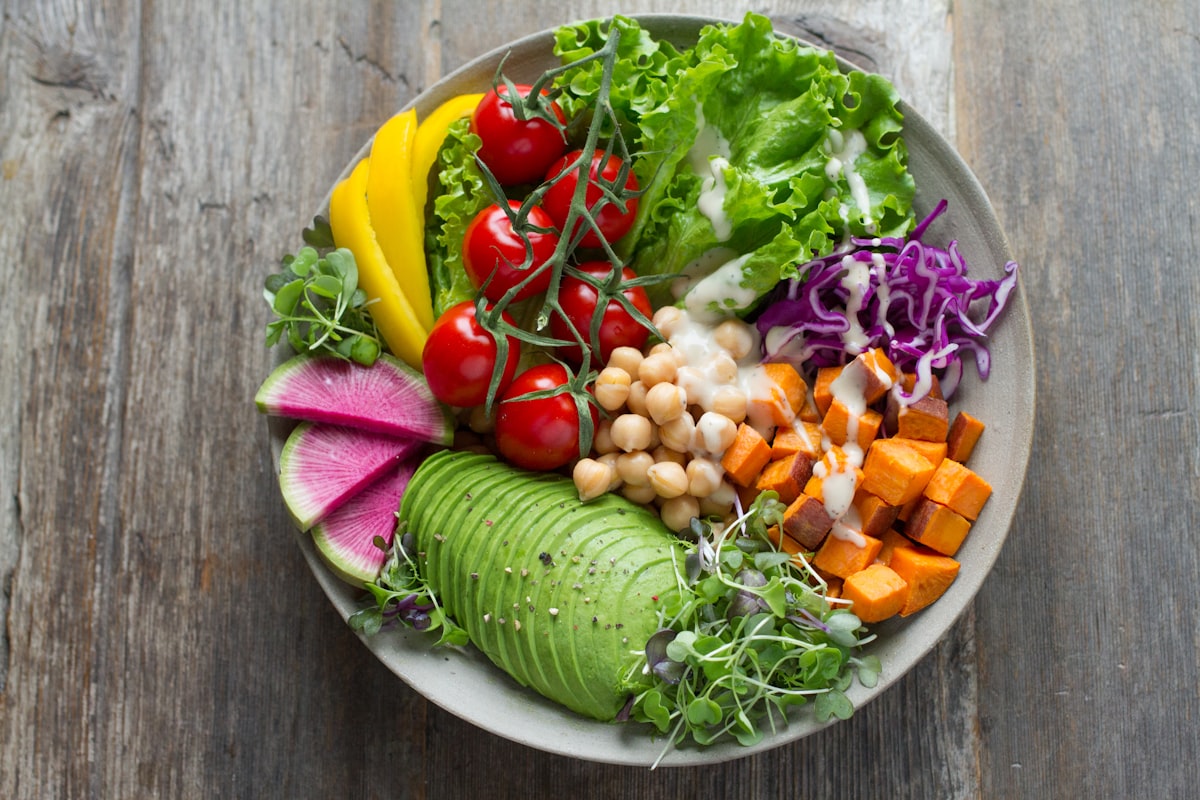
Slow-Aging Grocery List
Successful slow-aging begins with reconfiguring your pantry. Below are key ingredients recommended by institutions like the Mayo Clinic for an anti-inflammatory, low-glycemic diet.
Resistant Carbs & Whole Grains
Steel-cut oats, quinoa, wild rice, buckwheat, chickpeas, black beans. Prefer the least processed forms.
Anti-Aging Proteins & Fats
Extra virgin olive oil, avocado, wild-caught salmon, sardines, walnuts, pistachios.
Anti-Inflammatory Produce
Kale, collard greens, broccoli, garlic, onions, blueberries, pomegranate. (Avoid high-glycemic tropical fruits)
Blood Sugar Regulators
Apple cider vinegar, cinnamon, turmeric, allulose, organic sea salt, stevia.
Frequently Asked Questions (FAQ)
Q1. Fruit is a natural food, so why should I limit it?
Fructose, the sugar in fruit, is metabolized exclusively in the liver, which can lead to fatty liver and insulin resistance. Avoid fiber-free juices and instead consume small portions of whole fruits after a meal.
Q2. Are alternative sweeteners completely harmless?
While stevia or allulose have lower caloric and glycemic impacts, they can still trigger the brain's sugar addiction pathways. The ultimate goal should be retraining your palate to appreciate natural, subtle flavors.
Q3. It's hard to avoid simple sugars in social settings. Any tips?
Consume a handful of nuts or some cucumber before heading out to prevent a fasting glucose spike. Also, strictly following the 'fiber -> protein -> carb' eating order can significantly mitigate the impact of a social meal.
Closing: Your Choices Today Define Your Biological Age Tomorrow
Embarking on a journey to limit simple sugars may initially feel like a sacrifice. However, this is not a temporary 'diet' but a systemic reset of your biological clock. When you break free from sugar addiction, you will regain natural taste sensitivity and experience a lighter, more vibrant physical state every morning.
Slow-aging isn't found in a pill; it starts on your plate. Your wise choices in this moment will make you shine even brighter in 10 or 20 years. For a life that ages gracefully and surely, start by erasing simple sugars from your table today.
Realize the value of sustainable health with FreeImgFix.com.