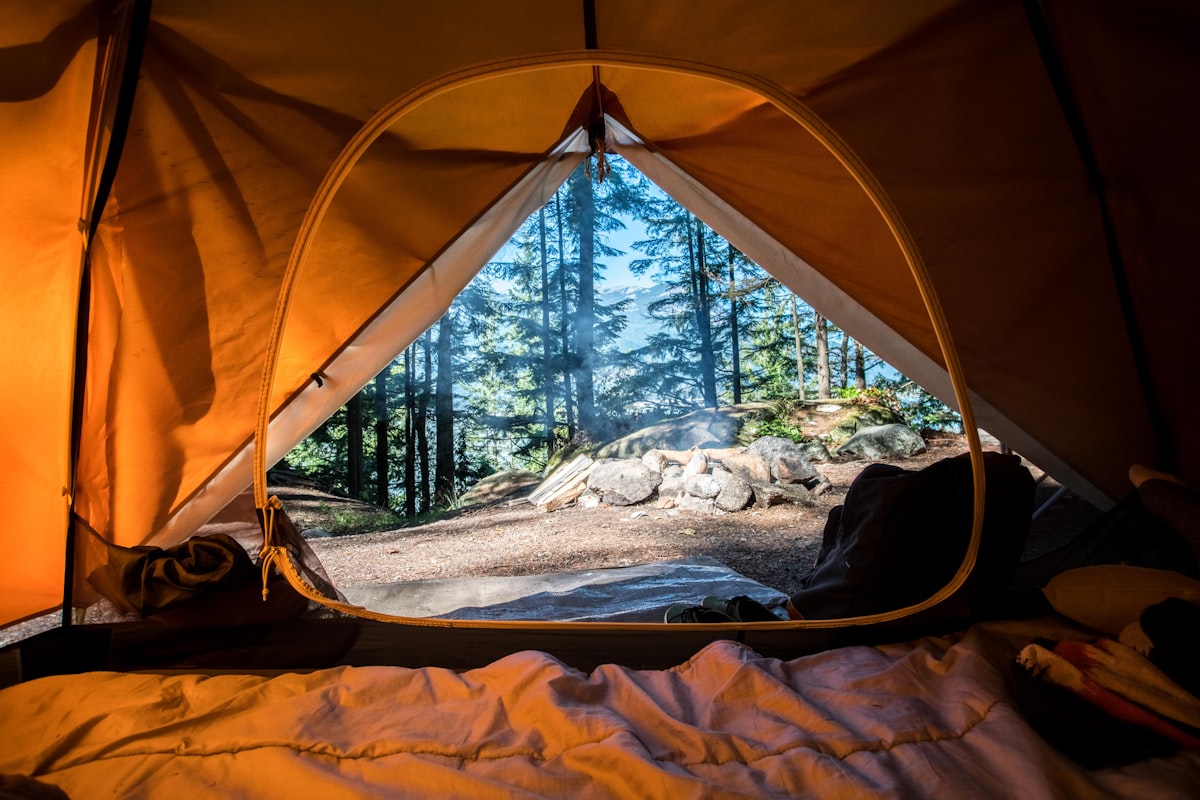
Leaving the busy city life behind and heading into nature is one of the best ways to recharge. However, for those just starting out, the sheer volume of gear selection can be overwhelming. With thousands of brands and technical specifications, it is never easy for a beginner to pick the right product.
Since tents and tarps are often the most expensive items and are meant to last for years, your initial choice is crucial. Chasing premium brands can break your budget, while choosing the cheapest option might lead to a disaster during a midnight rainstorm. In this post, we will deep-dive into the secrets of choosing high-value camping gear that balances performance and price.
1. Tent Basics: Identifying Your Camping Style
Before looking at models, ask yourself: "With whom, when, and where am I going?" Requirements differ vastly between family car camping in a state park, a romantic getaway, or a solo backpacking trip.
The Secret of Capacity Ratings
Manufacturers usually base tent capacity on how many adults can lie shoulder-to-shoulder. For a comfortable experience, always follow the Actual People + 1 or 2 rule. For example, a family of four should look for at least a 6-person tent to accommodate gear and movement. Height is also critical—constantly hunching over in a low tent causes fatigue during long stays.

2. Reading Specs: Fabrics and Hydrostatic Head
To find a true bargain, you must understand Fabric weight and Hydrostatic Head (waterproof rating). Mastering these two will prevent wasted investment.
Fabric: Denier (D) and Thread Count (T)
Labels like 75D or 150D refer to Denier, the thickness of the individual threads. Higher numbers mean thicker, more durable, but heavier fabric. Most car camping tents use 75D to 150D. Thread Count (T) represents the density of the weave. Higher density provides better tension strength but might reduce airflow. For a good balance, look for polyester ripstop fabric around 75D/190T.
Hydrostatic Head: Your Rain Shield
The waterproof rating (often called 내수압 in Korea) measures how much water pressure the fabric can withstand. A rating of 1,500mm to 2,000mm is plenty for most rain conditions. While some high-spec tents offer 5,000mm+, these are for extreme alpine conditions and are usually unnecessary for casual campers. It is often wiser to pick a 2,000mm tent and check if the Seam Sealing is done meticulously.
"The best tent isn't the most expensive one; it's the one that shortens your setup time and guarantees comfort against the elements."
3. The World of Tarps: Creating an Outdoor Living Room
If the tent is your bedroom, the tarp is your living room and kitchen. Essential for blocking harsh UV rays and sudden rain, a tarp makes the outdoor environment livable. Without one, especially in summer, your tent becomes an oven.
Rectangular (Recta) vs. Hexagonal (Hexa)
Rectangular tarps maximize space efficiency, making them perfect for families. Hexagonal tarps are more wind-resistant and aesthetically pleasing with their curved lines, but they offer less actual shade. Beginners usually find Recta tarps more practical for their versatility and shade coverage.
Black Coating and Shade Quality
A major trend in the value market is Black Pigment Coating. By applying a specialized black layer to the underside, these tarps block nearly all light. Compared to standard tarps, the temperature underneath can be 5–9°F cooler. Even if it costs a bit more, choosing a black-coated tarp is a shortcut to avoiding double purchases later.

4. Savvy Buying Strategies
"Value" doesn't just mean cheap. Here are strategies to find high performance at a lower price point.
Balancing Brand and After-Sales Service
Extremely cheap direct-import products may lack parts or repair options if a pole snaps. Established mid-range brands (such as Snowline, North Peak, or Decathlon) offer reasonable quality with decent customer support. Buying through official channels or major outdoor retailers like REI or Decathlon Official Site ensures you have support when things go wrong.
The Used Market
As many people try camping and decide it's not for them, the secondary market is flooded with "barely used" gear. You can often find premium setups at 50–70% of the retail price. Just be sure to check the seam tape condition and feel for any stickiness (hydrolysis) on the fabric.
5. Maintenance for Longevity
Regardless of the price, poor maintenance will ruin any gear. The golden rule is Total Dryness.
-
☀️
Store Only When Bone-Dry: Even if it didn't rain, morning dew or condensation creates moisture. Always dry your gear completely before packing to prevent mold and odors.
-
🧼
Spot Cleaning Only: Full washing destroys the DWR (durable water repellent) coating. Use a damp cloth and mild soap on dirty spots.
-
🔨
Care for Poles and Stakes: Wipe off dirt and salt, especially after camping near the coast, to prevent corrosion.
Closing: To the Aspiring Camper
A tent and tarp are just the first pieces of a much larger puzzle. Instead of aiming for the "perfect" expensive setup, pick reliable, safe gear within your budget and just get outside. Experience is the best guide—after one night in the wild, you'll know exactly what you need.
We hope these criteria help you build your own cozy outdoor sanctuary. With FreeImgFix's guide, your first camping trip will be the start of a lifelong hobby.
Start your amazing camping life with FreeImgFix.com!