
Moving to a new residence in the United States is a significant life event, but beyond the boxes and logistics, there are critical legal and administrative safeguards you must manage. Specifically, the Official USPS Change of Address and securing your Security Deposit rights are paramount. These steps ensure you don't miss vital mail (like IRS or DMV notices) and that your hard-earned money is protected under state landlord-tenant laws. This guide walks you through every essential step of relocating within the US.
Understanding Federal Mail & Tenant Rights
First, it is vital to understand the difference between a simple "notification" and an "official record." A USPS Change of Address (COA) is an official request to the United States Postal Service to reroute your mail. In the US, this is often the primary way your residency is tracked for things like jury duty, voter registration, and tax filings.
Regarding your rental, the Security Deposit is a sum of money held by the landlord as collateral for any damages. Unlike some countries where "fixed dates" are handled by the government, in the US, your protection comes from a Notarized Lease (optional but recommended) and a Move-in Inspection Report. These documents establish "Constructive Notice" and priority of claim should legal disputes arise over deposit returns.
"Changing your address is your declaration to the federal system; securing your lease is the armor for your financial assets."
Step-by-Step Guide: Official USPS Change of Address
The official process is conducted through the USPS Official Site (https://www.usps.com). While you can go to a post office, the online method is faster and provides instant confirmation.
Step 1: Accessing the USPS Mover's Guide
Go to the USPS website and select "Quick Tools" then "Change My Address." You will need a valid credit or debit card for identity verification. USPS charges a small fee (around $1.10) to prevent fraud. Be wary of third-party sites that charge $50-$100 for this service; always use the official `.gov` or `.com` USPS portal.
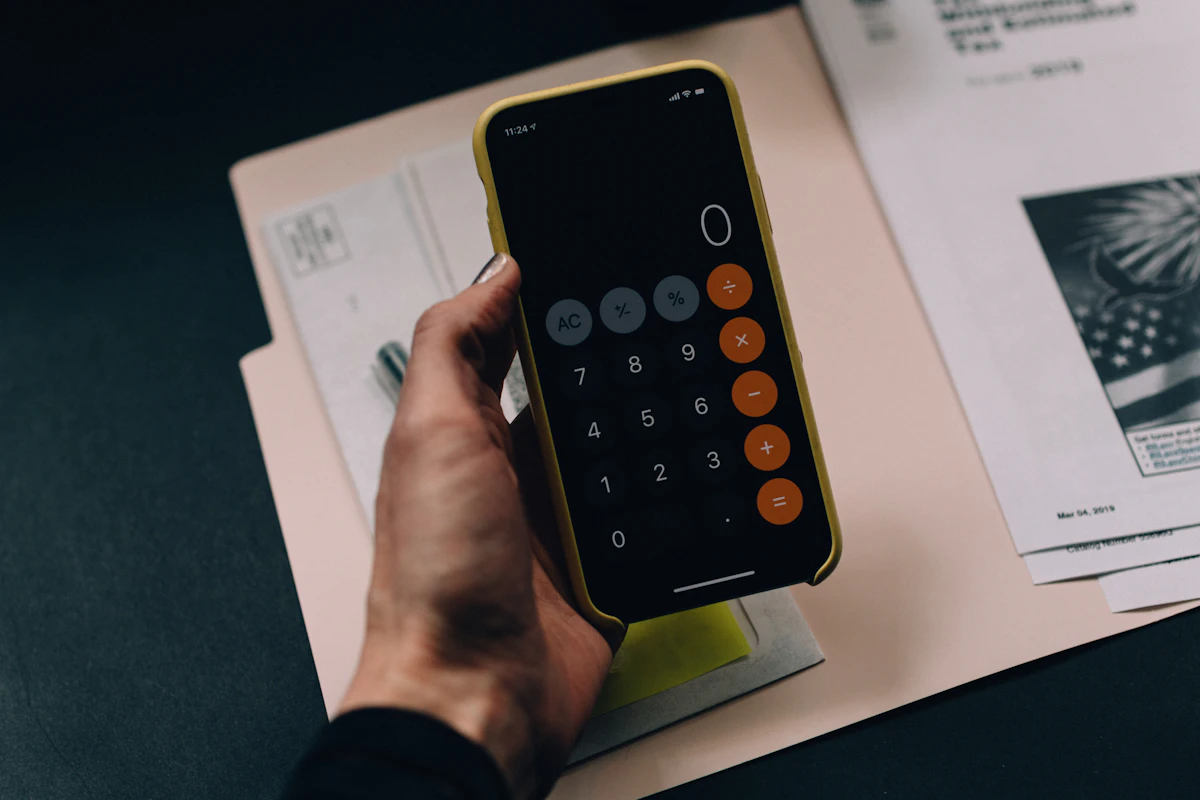
Step 2: Selecting Move Type and Dates
Identify if your move is Permanent or Temporary. If you are moving for a job for only 6 months, select temporary. You must also specify if the move is for an "Individual," "Family," or "Business." Choosing "Family" is often more efficient as it covers everyone with the same last name moving from the same address.
Step 3: Updating DMV and Voter Registration
In the US, changing your address with the post office does not automatically update your Driver's License or Voter Registration in most states. You must visit your state's DMV website (https://www.usa.gov) to update your license within 10-30 days of moving, or you could face fines.
Step 4: Notifying the IRS and SSA
To ensure your tax refunds and Social Security benefits reach you, you should separately notify the Internal Revenue Service (IRS) using Form 8822 and the Social Security Administration (SSA) via their online portal (https://www.ssa.gov).
Securing Your Security Deposit & Tenant Rights
Protecting your security deposit starts the day you sign the lease. In many US states, landlords are required to hold your deposit in an escrow account and return it within 14 to 60 days of move-out.
Essential Move-In Checklist for Tenants
-
📸
Photo/Video Documentation: Take timestamped photos of every room, including inside cabinets and the ceiling. This is your "Fixed Date" proof of the property's condition.
-
📑
Move-In Inspection Form: Ensure both you and the landlord sign a document noting any existing damages. If they refuse, mail a copy to yourself via Certified Mail to prove the date.
-
🛡️
Renters Insurance: Often required by US leases. It protects your personal property and provides liability coverage, which a landlord's insurance does not cover.
In the US, "Notarization" of a lease isn't always required but can add a layer of legal authenticity if you are worried about the landlord claiming the contract is invalid. More importantly, ensure you have a copy of the Landlord-Tenant Laws for your specific state, as regulations in California differ vastly from those in Texas.
Legal Timelines and Deadlines (Warning)
Timing is everything in US relocation law. Mail forwarding usually starts within 3-5 business days of your requested start date, but it can take up to two weeks to be fully consistent.
Regarding security deposits, if your landlord does not return your deposit or provide an itemized list of deductions within the State-Mandated Deadline (e.g., 21 days in CA), they may forfeit the right to keep any of it. In some cases, you may be entitled to double or triple damages in Small Claims Court.

Frequently Asked Questions (FAQ)
Common concerns for residents moving within or to the United States.
Q: Does USPS change my address for bank accounts?
No. USPS only forwards mail. You must manually update your billing address with banks, credit cards, and insurance companies to prevent identity theft and service interruptions.
Q: How do I handle utility transfers?
Contact electric, water, and gas companies at least one week before your move-out date. In the US, failing to close a utility account could leave you liable for the next tenant's bills.
Q: What is "Normal Wear and Tear"?
Landlords cannot deduct for minor scuffs or old carpet. They can only deduct for "damages" like holes in walls or broken windows. Knowing this distinction is key to getting your deposit back.
Q: Is a verbal lease agreement valid?
While some states recognize them, they are extremely difficult to enforce. Always insist on a written lease agreement signed by both parties to protect your legal rights.
The Ultimate US Moving Checklist
Ensure a smooth transition by checking off these final items.
- USPS Confirmation: Check your email for the Move Validation Letter from USPS.
- Voter Registration: Update your registration to ensure you can vote in your new precinct.
- Medical Records: If moving out of state, request copies of dental and medical records for your new providers.
- Update Employer: Ensure your HR department has your new address for W-2 tax form delivery.
Closing: Start Your New Chapter with Peace of Mind
Moving is more than just changing your zip code; it's about establishing your legal presence in a new community. By following these steps—notifying the USPS, updating your DMV records, and documenting your rental condition—you build a safety net that protects your identity and your finances.
We hope this guide makes your American relocation journey smoother and more secure. Welcome to your new home!
FreeImgFix.com supports your smart living journey in the US!