
In modern medicine, the most formidable enemy isn't always acute pain—it's the silent, invisible fire spreading through our bodies known as chronic inflammation. While acute inflammation is a healthy defense mechanism designed to heal injuries, chronic inflammation persists long after the cause is gone, attacking healthy cells and damaging blood vessels. Often called the 'Silent Killer', it is the root cause of many modern ailments, including heart disease, type 2 diabetes, Alzheimer's, and cancer. Fortunately, inflammation is highly responsive to what we eat, how we move, and how we rest. In this post, we will deep dive into interpreting inflammation markers in your blood work and provide a science-backed blueprint to lower your levels.
1. Why Chronic Inflammation is Dangerous: The Root of Modern Disease
Inflammation itself is not inherently "bad." When bacteria invade or you suffer a cut, your immune system deploys cells like an army to fight the infection. The problem arises when this battle never ends. Factors such as chronic stress, obesity, environmental pollutants, and a high-sugar diet keep your immune system in a constant state of "emergency."
Over time, this persistent state damages the lining of your arteries, causing atherosclerosis, and interferes with insulin signaling, leading to metabolic syndrome. In the brain, inflammatory proteins can accelerate cognitive decline. In essence, chronic inflammation dictates the speed at which your body ages. Understanding your baseline is the first step toward reclaiming your vitality.
"Chronic inflammation is like a fire without a flame. On the outside, everything may look calm, but inside, your most vital organs are slowly smoldering."
2. Interpreting Blood Work: Reading Your Body's Internal Signals
When you receive your annual physical results, several key biomarkers can reveal your inflammatory status. It is crucial not just to be in the "normal" range, but to aim for the "optimal" range.
CRP (C-Reactive Protein) and hs-CRP
CRP (C-Reactive Protein) is a protein made by the liver that spikes during inflammation. While a standard CRP test checks for major infections, the hs-CRP (high-sensitivity CRP) test can detect the subtle, low-grade inflammation associated with cardiovascular risk.
According to American Heart Association standards, an hs-CRP level of below 1.0 mg/L is considered low risk and healthy. Levels between 1.0 and 3.0 mg/L represent average risk, while above 3.0 mg/L indicates a high risk of chronic inflammation or cardiovascular issues. If your level exceeds 10.0 mg/L, it often signifies an acute infection rather than a chronic state.
ESR (Erythrocyte Sedimentation Rate)
ESR measures how quickly red blood cells sink to the bottom of a tube. Inflammation causes these cells to clump together, making them heavier and faster to sink. While less specific than CRP, it provides a valuable auxiliary view of long-term inflammatory activity in the body.
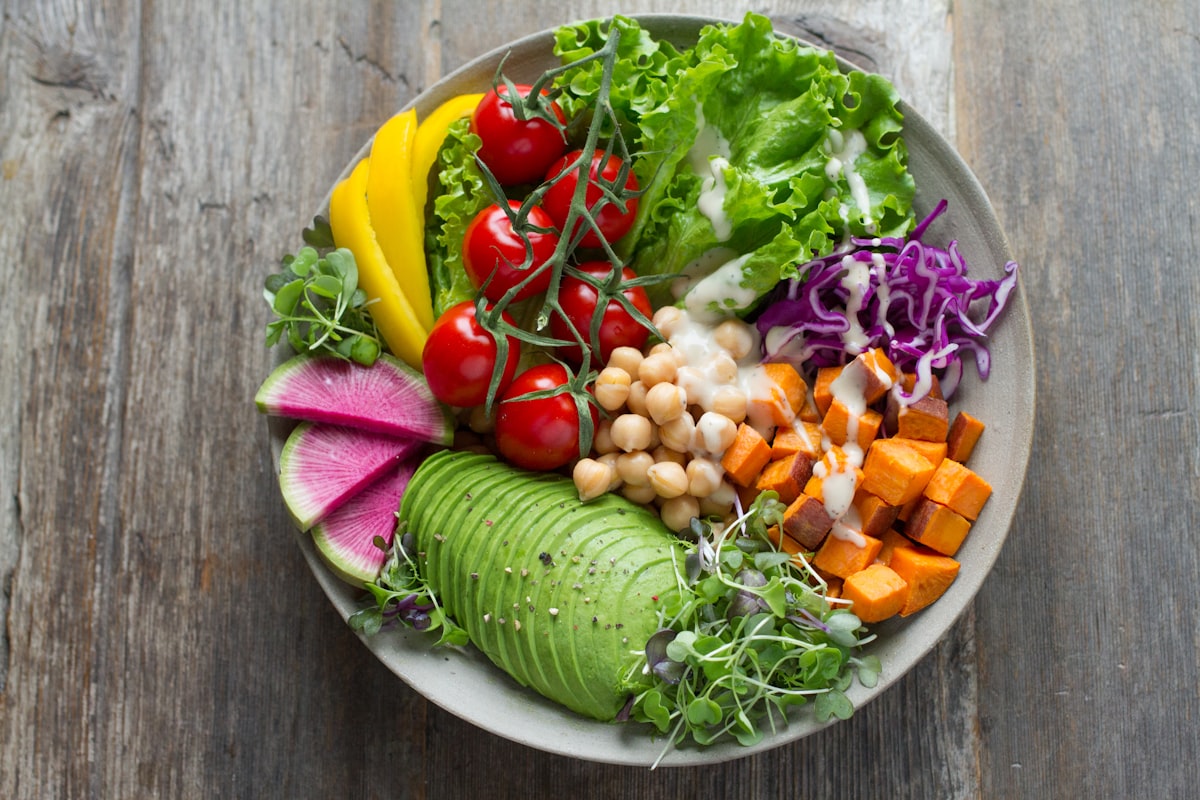
3. Anti-Inflammatory Diet Guide: Food as Medicine
Every meal you eat is either fueling the fire of inflammation or acting as a fire extinguisher. The core of an anti-inflammatory diet is prioritizing whole, unprocessed foods.
Balancing Omega-3 and Omega-6
The modern Western diet is heavily skewed toward Omega-6 fatty acids found in refined vegetable oils and processed meats, which can promote inflammation when consumed in excess. To counter this, you must increase your intake of Omega-3 fatty acids. Fatty fish like salmon, sardines, and mackerel, along with walnuts and chia seeds, provide essential EPA and DHA that actively dampen inflammatory pathways.
Phytochemicals: Nature's Powerful Anti-Inflammatories
Plants produce phytochemicals to protect themselves, and these same compounds offer us profound protection. Curcumin in turmeric, gingerol in ginger, sulforaphane in broccoli, and anthocyanins in berries block the activation of NF-kB, a master switch for inflammation. Pro tip: pair turmeric with black pepper to increase its absorption by up to 2,000%.
Pro-Inflammatory 'Foods to Avoid' Checklist
-
🚫
Refined Sugars & HFCS: High fructose corn syrup triggers insulin spikes and promotes the release of inflammatory cytokines from fat cells.
-
🚫
Trans Fats & Refined Seed Oils: Oxidized oils damage vessel walls and serve as precursors to inflammatory prostaglandins.
-
🚫
Processed Meats: Nitrates and preservatives in deli meats and sausages disrupt the gut microbiome, triggering systemic responses.
4. The Power of Lifestyle: Movement and Recovery
Beyond nutrition, your daily habits act as a reset switch for your body's internal systems.
Exercise: Finding the Sweet Spot
Exercise is a hormetic stressor. While extreme overtraining can spike inflammation, moderate-intensity aerobic exercise (Zone 2) is a powerful anti-inflammatory. Aiming for 150 minutes of brisk walking or swimming per week reduces visceral fat, which is a major source of inflammatory cytokines.
Sleep: The Body's Cleaning Service
During deep sleep, the glymphatic system flushes metabolic waste from the brain and body. Without 7 to 8 hours of quality rest, inflammation levels remain elevated. Maintaining a consistent sleep schedule boosts melatonin, which is not just a sleep hormone but one of the body's most potent antioxidant and anti-inflammatory compounds.

5. Stress and Cortisol: Preventing Adrenal Fatigue
Your mental state is directly reflected in your blood chemistry. Chronic stress keeps cortisol levels perpetually high. While cortisol is naturally anti-inflammatory, chronic exposure leads to "cortisol resistance," where your immune cells lose their ability to respond to its calming signals.
Mindfulness, deep breathing, and nature walks activate the parasympathetic nervous system. When your brain feels 'safe,' immune cells cease their defensive posture, allowing inflammation markers to trend downward. 'Mental health' is, quite literally, anti-inflammatory medicine.
6. Core Supplements to Support Lowering Inflammation
When diet alone isn't enough, evidence-based supplementation can provide a significant boost.
| Nutrient | Mechanism | Recommendation |
|---|---|---|
| Vitamin D3 | Regulates immune overreaction and suppresses cytokines | Maintain levels between 30-60 ng/mL |
| Fish Oil | Neutralizes pro-inflammatory eicosanoids | Combined EPA/DHA of 1,000mg+ per day |
| Magnesium Glycinate | Reduces CRP levels and relaxes the nervous system | Chelated forms offer better absorption |
| Probiotics | Restores gut barrier to prevent 'leaky gut' inflammation | Look for multi-strain blends |
7. Summary: The Golden Rules for an Inflammation-Free Life
Lowering chronic inflammation is a marathon, not a sprint. Follow these steps for the fastest results: First, eliminate liquid sugars and ultra-processed foods. You will feel the difference in your energy levels within 14 days. Second, move for 30 minutes daily. Fat loss is the most direct way to lower systemic inflammation. Third, practice intermittent fasting. Extending your overnight fast promotes 'autophagy,' where the body cleans out damaged cells and reduces inflammatory debris.
Conclusion: Vitality Begins with Clean Blood
Investing in an anti-inflammatory lifestyle isn't just about laboratory numbers. It's about staying mentally sharp, living without chronic pain, and ensuring you have the energy to spend quality time with loved ones for decades to come.
For further medical guidance, please refer to official resources from the National Institutes of Health (NIH), the CDC, or the FDA. Your journey to a vibrant, inflammation-free life starts with the next choice you make. FreeImgFix.com will be here to support you every step of the way.
Design your healthy future with FreeImgFix.com today!