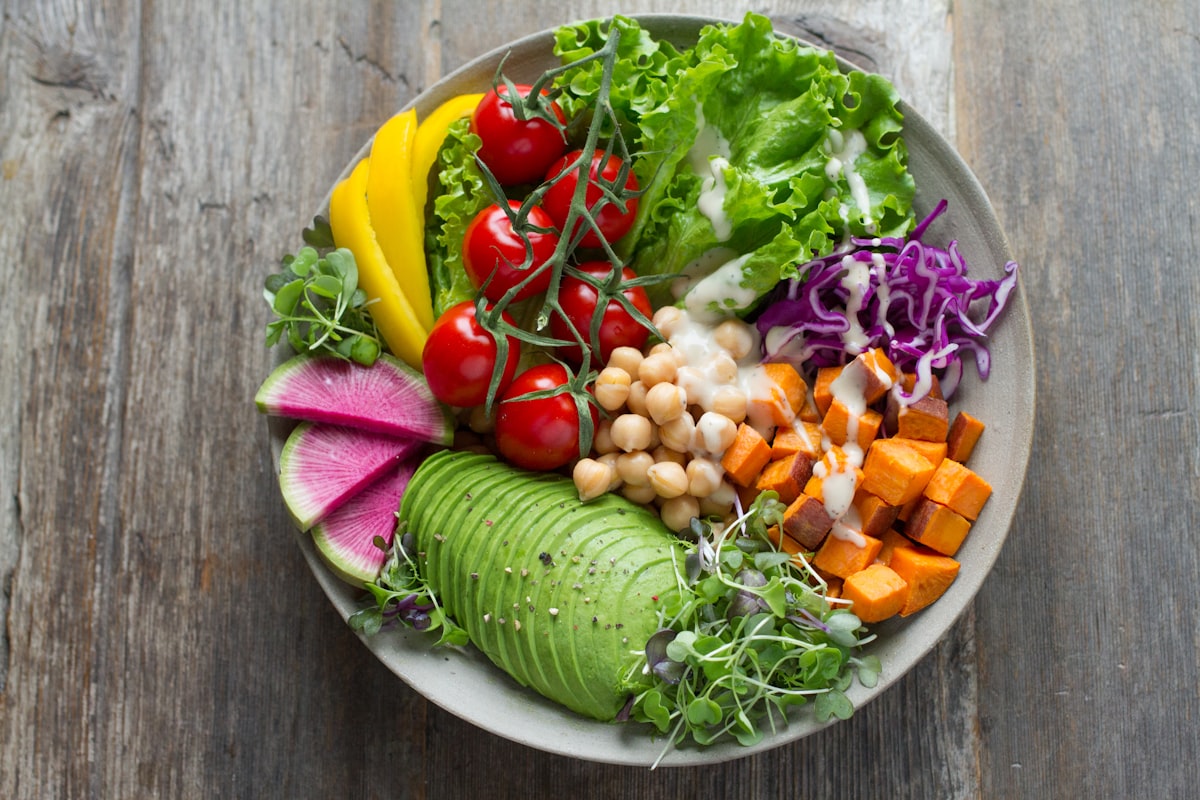
In recent years, the medical community has become obsessed with a single word: Microbiome. This complex ecosystem of microorganisms living within us governs our immune system, metabolic functions, and even our mental health. Often referred to as the "second brain," the gut is the primary headquarters for these trillions of microbes. Unfortunately, the modern Western diet—heavily reliant on ultra-processed foods—is starving our beneficial bacteria while fueling harmful pathogens. The most powerful tool we have to restore this balance is Dietary Fiber. In this comprehensive guide, we will dive deep into the science of prebiotics and the specific dietary strategies needed to flourish your internal garden.
1. The Symbiotic Bond: Microbiome and Fiber
While most nutrients like proteins and fats are absorbed in the small intestine, fiber remains undigested until it reaches the large intestine. Here, it becomes the primary fuel for our gut microbes. In essence, fiber is the lifeline for your beneficial bacteria.
When beneficial bacteria ferment fiber, they produce Short-Chain Fatty Acids (SCFAs), such as butyrate, acetate, and propionate. These SCFAs strengthen the gut lining, reduce systemic inflammation, and improve insulin sensitivity. Without adequate fiber, these microbes begin to consume the gut's protective mucus layer for survival, which can lead to "leaky gut" and various autoimmune conditions.
"The gut microbiome doesn't just eat what you eat; it eats what you leave behind. To treat your beneficial bacteria well, you must send them plenty of fiber."
2. Types of Fiber: A Prebiotic Masterclass
Not all fibers are created equal. To optimize your microbial health, you need a strategic balance of soluble fiber, insoluble fiber, and the increasingly vital resistant starch.
Soluble Fiber: The Premium Microbe Snack
Soluble fiber dissolves in water to form a gel-like substance. It is highly fermentable by bacteria. Key types include inulin, pectin, and beta-glucans. These effectively lower cholesterol and blood sugar while boosting populations of Bifidobacteria. Found in chicory root, oats, apples, and lentils.
Insoluble Fiber: The Gut's Custodian
Insoluble fiber does not dissolve; instead, it adds bulk to the stool and speeds up transit time. While not as fermentable, it creates a healthy physical environment for microbes to thrive. Found in whole grain skins, vegetable stalks, and nuts.
Resistant Starch: The Emerging Super-Prebiotic
Resistant starch functions like fiber because it "resists" digestion in the small intestine. It is particularly effective at stimulating butyrate production, the primary energy source for your colon cells. Found in cooled cooked rice or potatoes, and green bananas.

3. Top Microbiome-Friendly Foods: Your Superfood List
To enrich your internal ecosystem, consider these "microbe-friendly" staples for your next grocery run.
| Food Group | Primary Examples | Microbiome Benefits |
|---|---|---|
| Root Vegetables | Artichokes, Jicama, Carrots, Onions | High inulin content, optimizes Bifidobacteria |
| Cruciferous | Broccoli, Brussels Sprouts, Kale | Sulforaphane reduces gut inflammation |
| Legumes & Nuts | Lentils, Black Beans, Almonds | Essential for microbial diversity |
| Sea Vegetables | Kelp, Wakame, Nori | Unique polysaccharides feed specific beneficial strains |
| Whole Grains | Oats, Barley, Brown Rice, Quinoa | Beta-glucans strengthen the gut barrier |
4. Science of Diversity: Why 30 Plants a Week?
Research from the American Gut Project highlights a critical finding: the single best predictor of a healthy gut is the diversity of plants in your diet. Quantity matters, but variety is the key.
Experts now recommend consuming at least 30 different types of plant foods each week (including vegetables, fruits, grains, nuts, seeds, and spices). Each plant contains different fibers and phytonutrients that feed different microbial species. A diverse microbiome is a resilient one, capable of defending against pathogens and regulating metabolism more effectively.
Three Pillars of Gut Health
-
🥗
Eat the Rainbow: Colors signify different antioxidants and fibers. Aim for purple (anthocyanins), red (lycopene), and green (chlorophyll).
-
🧊
Cool Your Carbs: Cooking rice or potatoes and letting them cool in the fridge increases resistant starch significantly.
-
💧
Hydrate Constantly: Fiber absorbs water to function. Without enough hydration, high fiber intake can actually cause constipation.
5. Taming the Bloat: Transitioning to High Fiber
If you move from a low-fiber diet to a high-fiber one too quickly, you may experience bloating, gas, or discomfort. This is simply your microbes reacting to the sudden influx of food.
To avoid this, gradually increase your intake over 2–4 weeks. Start with cooked vegetables, which are easier to digest than raw ones. Chew your food thoroughly (at least 30 times per bite) to mechanically break down fibers and reduce the fermentation burden on your gut.

6. The Ultimate Synergy: Prebiotics + Probiotics
Maximize your results by combining fiber (prebiotics) with fermented foods (probiotics). Kimchi, sauerkraut, kefir, and kombucha contain live beneficial cultures. When you consume live microbes along with their favorite food source (fiber), you are practicing Synbiotics.
A classic example is having steel-cut oats (prebiotic) with a dollop of unsweetened Greek yogurt (probiotic). This combination ensures that the beneficial bacteria have an immediate food source to help them colonize your gut effectively.
7. Defending Against Microbiome Disruptors
While adding good food is vital, removing disruptors is equally important for a thriving ecosystem.
1. Antibiotic Overuse
Antibiotics are non-discriminatory, killing beneficial bacteria along with the bad. Recovery can take months.
2. Dietary Emulsifiers
Common additives in processed snacks can thin the gut's protective mucus layer.
3. Artificial Sweeteners
Substances like aspartame or saccharin can negatively shift the balance of gut flora.
4. Chronic Stress
The Gut-Brain axis means high stress levels directly impair microbial activity and diversity.
Conclusion: A Healthy Gut is a Healthy Life
Your microbiome is not just a collection of germs; it is a living organ that works in harmony with your body. A fiber-rich diet is the most sincere way to nourish these silent partners. Start small today—add a handful of berries to your breakfast or a side of greens to your dinner. Your gut will thank you with clearer skin, more energy, and a sharper mind.
For more authoritative guidance, refer to the USDA Nutrition Resources. FreeImgFix.com is here to support your journey toward a vibrant, balanced internal ecosystem.
Build a healthier tomorrow with FreeImgFix.com!