
Many people obsess over 'calories' to maintain a healthy life and a beautiful body. However, there is something more important than simply eating less. It is the Glycemic Index (GI), which indicates how quickly the food we eat raises blood sugar. The core of the 'blood sugar diet', which has recently become a hot topic in the medical and nutritional fields, lies not in calorie restriction but in the normal regulation of the insulin hormone. Preventing blood sugar spikes, where blood sugar rises rapidly, switches our body from a fat-storing mode to an energy-burning mode. Today, we will delve into the low GI food list for successful dieting and chronic disease prevention, along with its biological principles in great detail.
1. The Relationship Between GI and Insulin: Why Blood Sugar is Key?
The GI is a numerical value representing the speed at which carbohydrates are digested and converted into blood sugar when a specific food is consumed. Based on glucose as a reference point of 100, foods are classified as high GI if they are 70 or above, medium GI if they are 56-69, and low GI if they are 55 or below.
When we eat high GI foods, blood sugar rises rapidly. At this time, the pancreas secretes a large amount of the hormone insulin to lower blood sugar. Insulin pushes blood glucose into cells to be used as energy, but it also acts as a fat-storage hormone that immediately converts excess sugar into body fat for storage. In other words, if blood sugar fluctuates frequently, the body constitution changes to one that easily gains weight even if you eat little. Conversely, consuming low GI foods results in a gradual secretion of insulin, delaying hunger and activating fat burning.
"The success or failure of a diet depends on insulin management, not calories. The one who controls blood sugar becomes the master of their body."
2. The Source of Energy, Whole Grains: Choosing Low GI Carbohydrates
Changing the staple food, which makes up the largest portion of our diet, is already half the battle in blood sugar management. Refined white rice and white flour are the main culprits that explosively raise blood sugar.
Brown Rice and Barley: The Power of Dietary Fiber
Brown rice goes through less milling, leaving the dietary fiber and germ intact. This dietary fiber slows down the absorption speed of carbohydrates. Barley is also rich in a soluble dietary fiber called beta-glucan, which serves as food for beneficial gut bacteria while suppressing the rise in blood sugar. Barley rice is an excellent low GI food with a GI of around 25-35.
Oats (Oatmeal): The Divine Grain
Oats, which have already established themselves as a health food in the West, are high in protein and have a complex carbohydrate structure, maintaining satiety for a long time. Consuming oats for breakfast can keep blood sugar stable until lunch, which is excellent for preventing overeating.
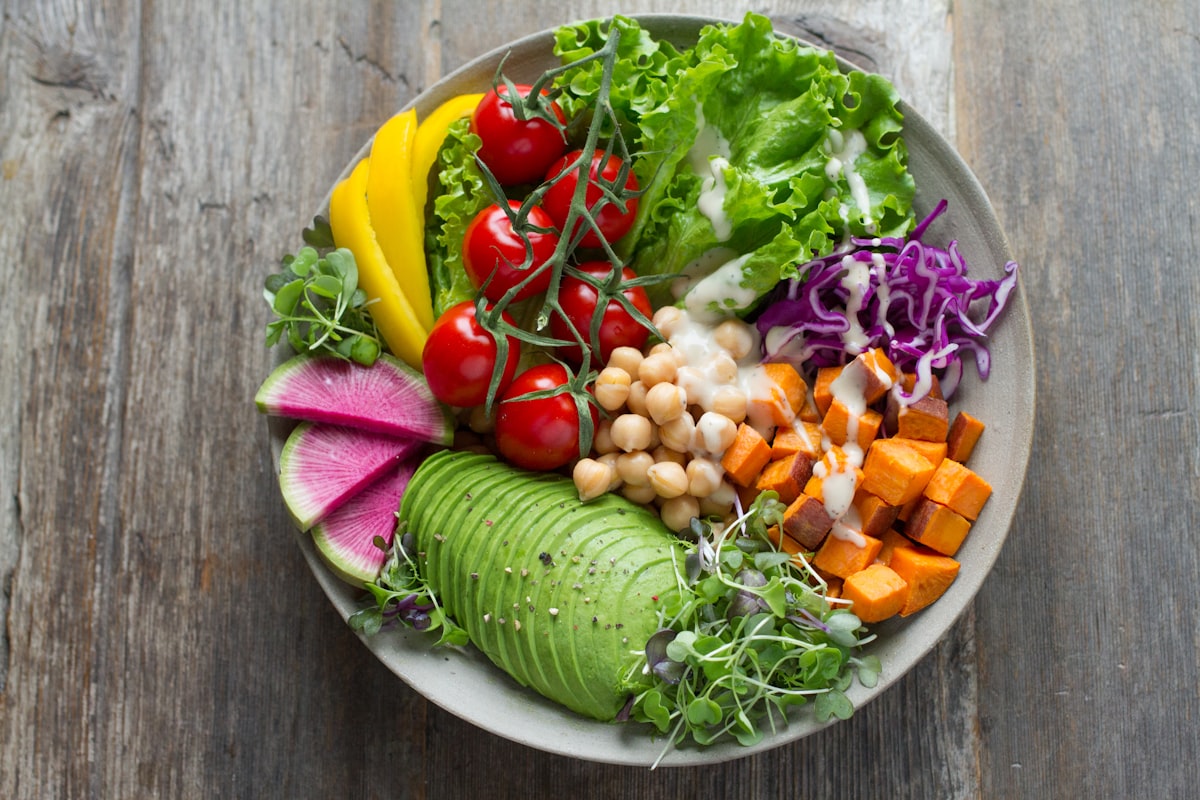
3. The Paradox of Fruits: Sweet but Safe Choices
Many people worry about fruits because they are high in sugar, although they are rich in vitamins. However, there are types of fruits with very low GI values that can be safely eaten during a diet.
Berries: The Harmony of Antioxidants and Low Blood Sugar
Berries like blueberries, strawberries, and raspberries have low fructose content and are very rich in dietary fiber. In particular, anthocyanin components improve insulin sensitivity, also helping to prevent diabetes. A handful of berries makes an excellent low GI snack.
Apples and Pears: The Wisdom of Eating the Peel
Apples and pears are rich in pectin, a soluble dietary fiber. Since nutrients are concentrated especially in the peel, washing them well and eating them with the peel is much more beneficial for blood sugar control. On the other hand, tropical fruits like pineapples, watermelons, and mangoes have relatively high GI values, so intake should be controlled.
4. Vegetables and Legumes: Near-Unlimited Low GI Foods
Most green leafy vegetables have GI values below 10-20, making the measurement almost meaningless.
Must-Have Vegetables/Legumes for Your Shopping Cart
-
🥦
Broccoli and Cabbage: Cruciferous vegetables are excellent for protecting the stomach and blocking sugar absorption, as well as having anti-cancer properties.
-
🥘
Chickpeas and Lentils: They are a treasure trove of plant-based protein, and their complex carbohydrates are tightly interwoven, making digestion time very long, essential for diet meal composition.
-
🍄
Mushrooms: They are an excellent low GI ingredient that can replace meat with almost no calories, rich dietary fiber, and a unique texture.
5. The Science of Cooking Methods: The Same Food, Different GI
As important as the type of food is the cooking method. The more processed, the finer the particles, and the longer it is cooked, the more rapidly the GI value rises.
For example, raw carrots have a low GI, but cooking them or grinding them into juice concentrates the sugar and destroys the fiber, raising the index. There is a scientific reason why the cold rice diet is popular. As rice cools, resistant starch is formed, which is not well broken down by digestive enzymes, raising blood sugar slowly and reducing calorie absorption. Also, adding acidic ingredients like vinegar or lemon juice delays gastric emptying time, slowing down the overall rate of blood sugar rise.

6. Reverse Eating Method: The Order of Eating Changes the Result
What you eat is important, but the order in which you eat is just as important. This is called the reverse eating method or blood sugar control order.
Step 1: Dietary Fiber (Vegetables)
Eat salads or vegetable side dishes first at the beginning of a meal. It creates a dietary fiber net in the intestinal wall, physically blocking the absorption of sugar that comes in later.
Step 2: Protein and Fat
Eat meat, fish, eggs, and tofu. Protein stimulates digestive hormones, slowing down gastric motility and inducing satiety.
Step 3: Carbohydrates (Rice/Noodles)
Eat carbohydrates last. Since dietary fiber and protein have already filled the stomach, blood sugar rises gradually, preventing overeating.
Step 4: Light Walk After Meal
Walking for about 15 minutes after a meal makes muscles immediately use glucose in the blood as energy, fundamentally blocking blood sugar spikes.
Detailed Comparison Table of GI Values for Major Foods
Compare the values of foods you usually enjoy and find alternatives.
| Food Group | High GI (To Avoid) | Low GI (Recommended) |
|---|---|---|
| Grains | White Rice (88), White Bread (91), Rice Cake (82) | Brown Rice (55), Barley (25), Whole Wheat Bread (50) |
| Vegetables/Roots | Steamed Potato (85), Carrot (80), Corn (75) | Sweet Potato (55), Seaweed (16), Tomato (30) |
| Fruits | Watermelon (72), Pineapple (66), Korean Melon (51) | Cherry (22), Grapefruit (25), Apple (36) |
| Snacks | Chocolate (91), Doughnut (86), Popcorn (72) | Almonds (25), Plain Yogurt (33), Cheese (33) |
7. Common Misconceptions and Truths About the Low GI Diet
Thinking that you can eat as much as you want just because the GI is low is the most dangerous idea.
Relationship with Fat Content: Butter or bacon have a very low GI but are high in calories and saturated fat. If you only consider the index, you may get hyperlipidemia, so nutritional balance is important. Utilization of GL Index: In some cases, like carrots, the GI is high, but the actual carbohydrate content is low, so the impact on blood sugar (GL, Glycemic Load) is minimal. Therefore, rather than extreme exclusion, consuming appropriate amounts evenly is a sustainable long-term diet. For accurate health information, we recommend referring to the nutrition database of the U.S. Food and Drug Administration (FDA).
Conclusion: Blood Sugar Management is Insurance for a Healthy Future
A low GI diet is not just a simple weight loss method. It is a lifestyle revolution that improves insulin resistance and prevents type 2 diabetes, hypertension, and cardiovascular disease. Start today with small habits like changing white rice to brown rice and eating vegetables first before meals.
Our bodies are constituted by what we eat. Stabilizing blood sugar brings a clear mind and vibrant energy. If you need more professional nutritional consultation, please refer to the guide from the American Diabetes Association. FreeImgFix.com always cheers for your healthy changes.
Create a light daily life without blood sugar spikes with FreeImgFix.com!