
With the global rise of fitness culture and the "body positive" movement, interest in protein consumption has reached an all-time high. Supermarket shelves are packed with protein shakes, and protein is hailed as the cornerstone of diet management. But is simply consuming more always the right answer? Our bodies are not machines; the required amount of protein varies greatly depending on an individual's weight, activity level, and fitness goals. What is adequate for a sedentary adult might be significantly insufficient for an athlete, while excessive intake by someone inactive could potentially strain the kidneys. Today, we will provide a detailed, science-based analysis on how to calculate the perfect protein intake for your specific situation.
1. The Building Blocks of Life: What Protein Does for Our Body
Protein goes far beyond being just a material for building muscle. It constitutes our muscles, bones, skin, hair, and even fingernails. It is the primary component of enzymes that regulate countless chemical reactions, antibodies that manage the immune system, and hormones that control physiological functions.
Protein in the body is constantly undergoing a cycle of breakdown and synthesis, known as 'protein turnover.' If we do not supply new protein through food every day, the body begins to break down valuable muscle protein for energy to ensure survival. This is the onset of muscle loss. Therefore, maintaining an appropriate supply tailored to your situation is a prerequisite for sustained health.
"Protein intake is not a choice; it is an essential survival strategy. However, that strategy must be precisely adjusted according to your lifestyle."
2. Recommended Intake for Sedentary Adults: RDA Standards
For average adults who are not particularly active and primarily work in seated positions, the World Health Organization (WHO) and the National Academy of Medicine (RDA in the US) suggest relatively modest figures.
The 0.8g Per Kilogram Formula
The standard recommendation is 0.8 grams of protein per 1 kg (approx. 0.36g per lb) of body weight. For example, a 70kg (154 lb) male needs about 56g of protein per day. This is the minimum amount required to maintain basic bodily functions and achieve Nitrogen Balance.
However, recent studies suggest that this 0.8g figure is closer to a 'minimum' rather than an 'optimum.' Especially for middle-aged and older adults who need to prevent sarcopenia (age-related muscle loss), or for modern individuals under high stress, a range of 1.0g to 1.2g is increasingly viewed as more beneficial for metabolic health.

3. Intake for Active Individuals: Why Do They Need More?
Individuals who engage in regular resistance training (weightlifting) or high-intensity aerobic exercise require significantly more protein than sedentary people. Exercise creates microscopic tears in muscle fibers, and the process of repairing these—known as supercompensation—is how muscle grows.
Intake Guide by Activity Intensity
| Activity Type | Daily Grams per kg | Goal |
|---|---|---|
| Sedentary / Light Activity | 0.8g ~ 1.2g | Maintain Metabolism |
| Endurance (Marathon, Cycling) | 1.2g ~ 1.4g | Energy & Recovery |
| Strength (Bodybuilding, CrossFit) | 1.6g ~ 2.2g | Hypertrophy & Power |
| Intense Weight Loss (Cutting) | 2.0g ~ 2.4g | Muscle Preservation |
According to the International Society of Sports Nutrition (ISSN), athletes aiming for muscle gain achieved the most efficient results when consuming 1.6g to 2.0g per kg of body weight. Especially during a calorie-restricted diet, increasing protein intake helps prevent the body from breaking down muscle tissue for energy.
4. Practical Application! Calculating Your Intake
Let’s calculate for a 75kg (165 lb) male who performs high-intensity strength training four times a week.
Note that 135g refers to pure protein, not the total weight of the food. For instance, 100g of chicken breast typically contains about 23-25g of pure protein. Therefore, this individual needs roughly the equivalent of 6 servings of chicken breast per day to reach his goal.
The key is distribution. It is known that the body most effectively uses between 20g and 40g of protein for muscle synthesis per meal. If your goal is 135g, it is much more effective to consume about 30g across 4-5 meals rather than eating it all at once.
3 Principles for Max Protein Efficiency
-
⚡
Timing: Supply consistent amounts every 3-4 hours across breakfast, lunch, pre/post workout, and dinner.
-
🥩
Amino Acid Score: Combine animal proteins (meat, eggs, dairy) rich in essential amino acids with plant proteins (beans, nuts) high in fiber.
-
💧
Hydration: Nitrogen waste is produced during protein metabolism. Drink at least 16-20oz more water than usual to help flush these wastes.
5. Protein Sources and Recommended Foods
The 'quality' of protein is as important as the 'quantity.' Understand the characteristics of different food groups.
Animal Protein: High Bioavailability
Meat, fish, eggs, and dairy have a high absorption rate because their structure is similar to human protein. They are particularly rich in Leucine, which acts as a switch for muscle growth, making them essential post-workout. Lean beef, pork tenderloin, chicken breast, and white fish are excellent low-fat, high-protein options.
Plant Protein: Fiber and Health Benefits
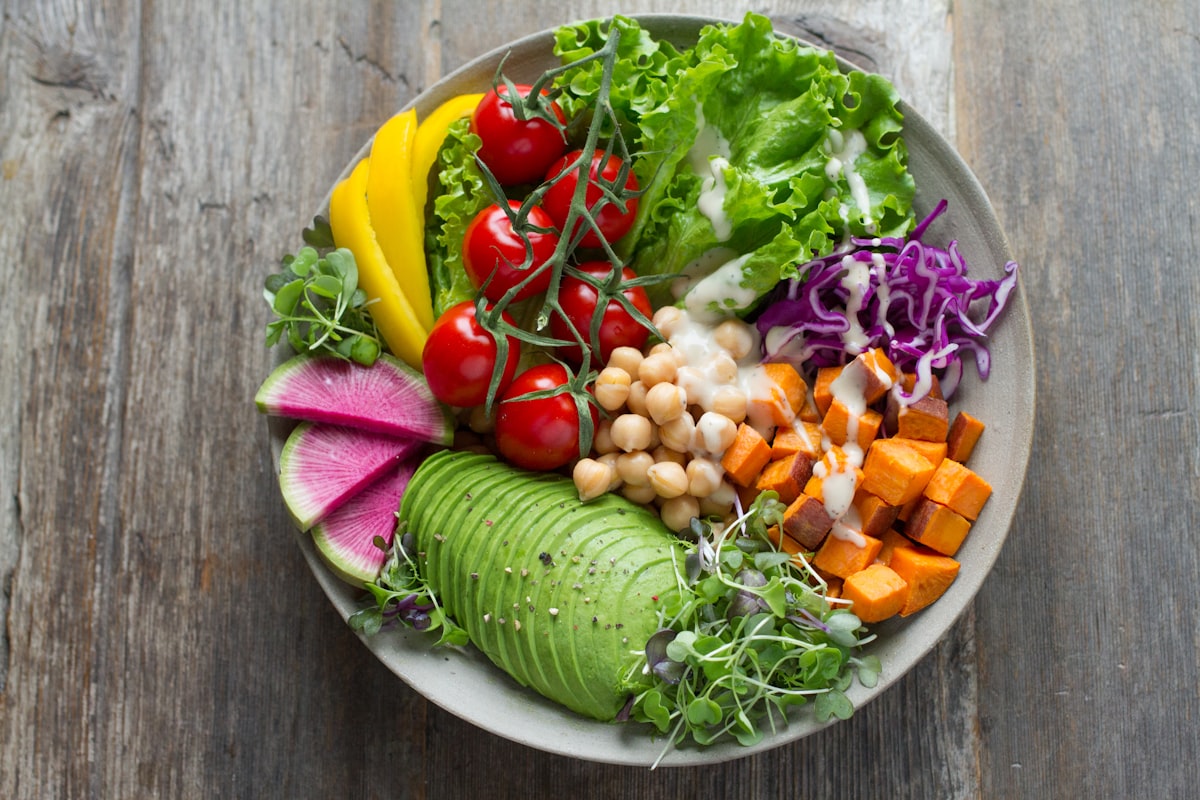
Beans, tofu, quinoa, and nuts are low in fat and rich in fiber and antioxidants. While some plant sources were once thought to lack certain essential amino acids, combining different plant proteins (e.g., rice and beans) can provide a complete profile. For long-term health, a ratio of 1:1 or 2:1 between animal and plant sources is ideal.
6. Age-Specific Considerations: Seniors and Youth
Requirements change throughout the human lifecycle.
Seniors: Protein synthesis efficiency drops significantly with age. Therefore, seniors should aim for 1.2g to 1.5g per kg to prevent muscle atrophy and maintain bone density. Adolescents: Due to rapid tissue development, teenagers need a steady supply of about 1.2g to 1.6g per kg. Whole food sources are strongly recommended over supplements for this age group.
7. Too Much of a Good Thing: Side Effects of Overconsumption
What happens if you consume far more protein than your body needs?
First, digestive overload occurs, leading to bloating or constipation. Furthermore, the liver and kidneys must work harder to process ammonia, a byproduct of protein metabolism. Individuals with pre-existing kidney issues should be particularly cautious. Finally, excess protein that is not used for energy can be converted to fat for storage. Nutrition must always be balanced within your total calorie needs.
8. Official Resources for Accurate Information
For precise figures based on specific medical conditions, consulting a professional is the safest path. Refer to reputable organizations for more data.
In the US, refer to the Food and Drug Administration (FDA) for nutritional labeling guides and the USDA for food database information. Globally, the World Health Organization (WHO) provides professional nutritional guidelines.
Conclusion: Listen to Your Body Above All
Today we have explored how to calculate protein needs for both sedentary and active individuals. While figures ranging from 0.8g to 2.2g are clear benchmarks, the most important metric is your own condition. If you feel less fatigued and your performance improves after increasing protein, you are on the right track. Conversely, skin issues or persistent indigestion are signals to adjust your intake.
Balanced nutrition is a powerful engine for a vibrant life. Use these calculations to create your own golden diet today.
Achieve a healthier, smarter fitness life with FreeImgFix.com!