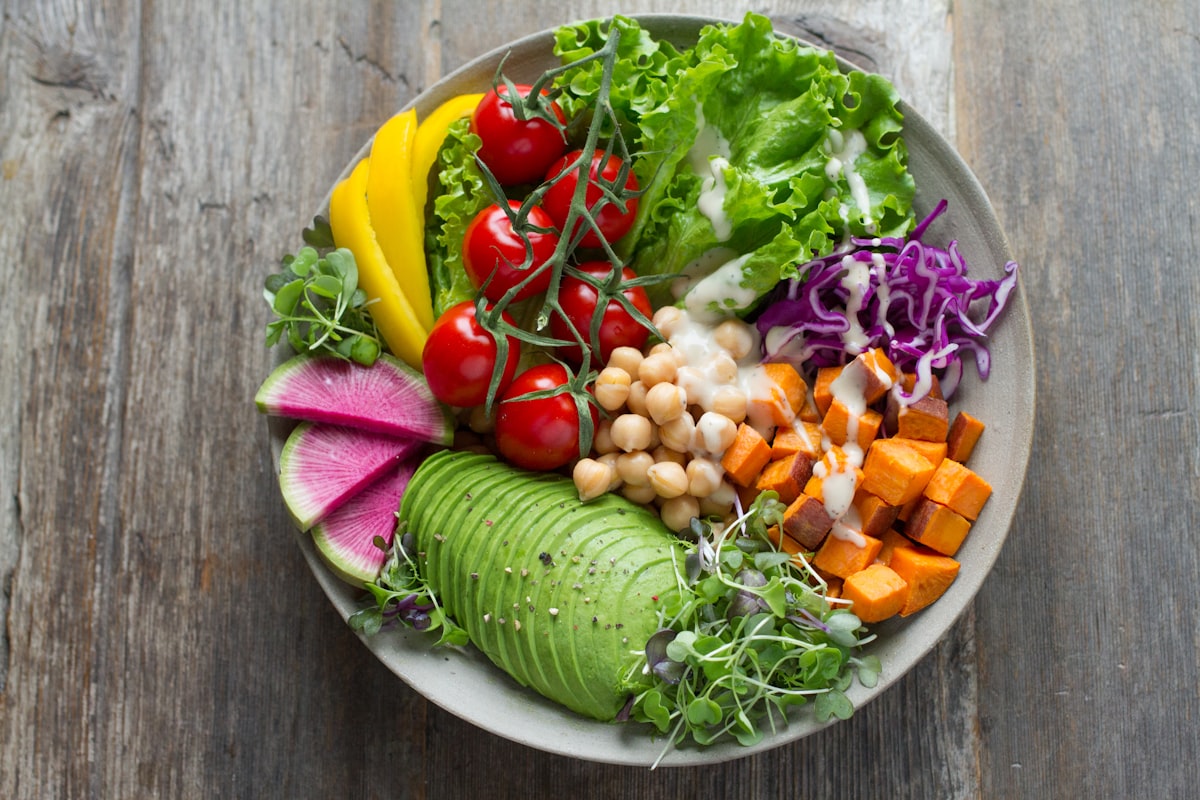
The gut, often referred to as the "second brain," is a critical organ where approximately 70% of our body's immune cells are concentrated. Poor gut health can lead not only to indigestion and constipation but also to weakened immunity, skin issues, and even feelings of depression. The most reliable and fundamental way to protect gut health is by consuming sufficient dietary fiber. Today, we will explore a detailed list of fiber-rich foods and effective intake strategies that will drastically improve your intestinal environment.
Why Fiber is Key to Gut Health
Dietary fiber is a high-molecular carbohydrate that cannot be broken down by human digestive enzymes. While not absorbed as a nutrient, it absorbs waste products as it passes through the intestines and stimulates intestinal movement. Most importantly, fiber acts as a prebiotic, feeding beneficial gut bacteria, helping them multiply while suppressing harmful bacteria.
Fiber is largely divided into soluble fiber, which dissolves in water, and insoluble fiber, which does not. Soluble fiber softens stool and helps regulate cholesterol levels, while insoluble fiber adds bulk to stool and shortens intestinal transit time. Balancing these two is the golden key to gut health. According to US FDA guidelines, the recommended daily intake is about 25g for women and 38g for men under age 50.
"The modern gut is starved due to diets centered on refined foods and meat. Dietary fiber is the most powerful tool for restoring the gut microbiome ecosystem."
1. The Kings of Fiber: Vegetables
Vegetables are the most affordable and effective sources of dietary fiber. Cruciferous vegetables, in particular, show excellent benefits for gut health.
Broccoli and Cabbage
Broccoli is rich not only in fiber but also in sulforaphane, which helps suppress intestinal inflammation. Cabbage is abundant in Vitamin U, protecting the gastric mucosa, and its rich insoluble fiber stimulates peristalsis. Steaming or boiling them can reduce the digestive burden while providing ample fiber.
Root Vegetables: Burdock and Lotus Root
Burdock root is exceptionally rich in inulin, a soluble fiber. This component aids kidney function, suppresses blood sugar spikes, and serves as excellent food for beneficial Bifidobacteria. Lotus root is also rich in mucin and fiber, protecting the intestinal wall and aiding smooth bowel movements.

2. Sweet Ways to Clear Your Gut: Fruits
Fruits are delicious snacks and excellent sources of fiber. However, since they contain fructose, it is important to consume them in moderation.
Apples (Eat with Skin)
Pectin, the core fiber of apples, is primarily concentrated in the skin. Pectin is a soluble fiber that turns into a gel in the gut, softening stool and regulating the speed of transit. Eating an apple with its skin in the morning is one of the best ways to wake up your digestive system.
Avocados and Kiwi
Avocados are known as "nature's butter," but they actually have an impressively high fiber content, providing about 10–13g per fruit. Kiwi is rich in fiber and "actinidin," a proteolytic enzyme that aids digestion and relieves bloating.
3. Powerful Fiber Bombs: Grains and Legumes
Simply changing your staple foods can lead to amazing changes in gut health. Choose whole grains over refined white rice or flour.
Essential Grains and Legumes
-
🌾
Oats (Oatmeal): Contain beta-glucan, a powerful soluble fiber that lowers cholesterol and explosively increases beneficial gut bacteria.
-
🥘
Chickpeas and Lentils: Just one cup can provide more than half of your daily recommended fiber. They are ideal for getting protein and fiber simultaneously.
-
🍚
Brown Rice and Barley: The fiber in barley is excellent for maintaining an acidic gut environment, preventing the growth of harmful bacteria.
4. Sea-Based Fiber: Seaweeds
Seaweeds contain unique types of fiber often missing from Western diets.
Seaweed, Kelp, and Wakame contain alginic acid, a representative soluble fiber that gives them their slippery texture. Alginic acid binds with heavy metals or toxins in the gut and flushes them out. They are also very low in calories, making them highly recommended for preventing constipation during weight loss.

4-Step Strategy for Effective Fiber Intake
Eating as much as possible doesn't necessarily improve gut health. In fact, sudden excessive intake can cause gas or abdominal pain.
1. Hydration is Essential
Fiber absorbs water like a sponge. Lack of water can actually make stool harder and worsen constipation. Drink 2–3 extra glasses of water daily.
2. Increase Amount Gradually
If you suddenly increase fiber intake, your gut microbiome may struggle to adapt, causing gas. Increase the amount gradually over 1–2 weeks.
3. Wisdom of Cooking
Raw vegetables can be bulky and difficult to digest. Eating them cooked in soups or stews increases fiber density and makes them easier to consume.
4. Distance from Refined Foods
White bread, sugar, and processed meats lack fiber and feed harmful bacteria. Emptying bad foods is as important as filling with good ones.
Fiber Content Comparison by Food
Fiber content per 100g for representative foods to help you plan your daily meals.
| Food Name | Fiber (g) | Notes |
|---|---|---|
| Chia Seeds | 34.4 | The quintessential superfood |
| Kidney Beans (Boiled) | 15.0 | Protein and fiber harmony |
| Oatmeal (Oats) | 10.6 | Optimal for breakfast |
| Avocado | 6.7 | Healthy fats and fiber |
| Burdock Root | 6.1 | Prime food for gut bacteria |
| Broccoli | 2.6 | Vitamin C and antioxidants |
Precautions: When Fiber Can Be Harmful
In rare cases, fiber intake should be limited. For those with Irritable Bowel Syndrome (IBS) who experience severe gas or pain, a high-fiber diet can worsen symptoms. Specifically, foods that ferment easily (FODMAPs), like beans or broccoli, require caution.
Additionally, patients with intestinal obstruction or severe acute inflammation should consult a specialist, as rough insoluble fiber can irritate the intestinal wall. Even for healthy individuals, exceeding the daily limit excessively may interfere with the absorption of minerals like iron or calcium.
Conclusion: A Healthy Gut Determines Tomorrow's Vitality
Gut health is about more than just regular bathroom visits. When the gut microbiome is balanced, our immune system stabilizes, and the production of serotonin, the happiness hormone, becomes more efficient. Try adding fiber-rich foods like broccoli, apples, oats, and seaweed to your daily diet.
Small changes in eating habits will accumulate and transform your condition in a month. For more detailed nutrition guides, check our Official Health Information Center regularly. We wish you a comfortable day with a healthy gut.
Create a life miracle with healthy eating habits at FreeImgFix.com!