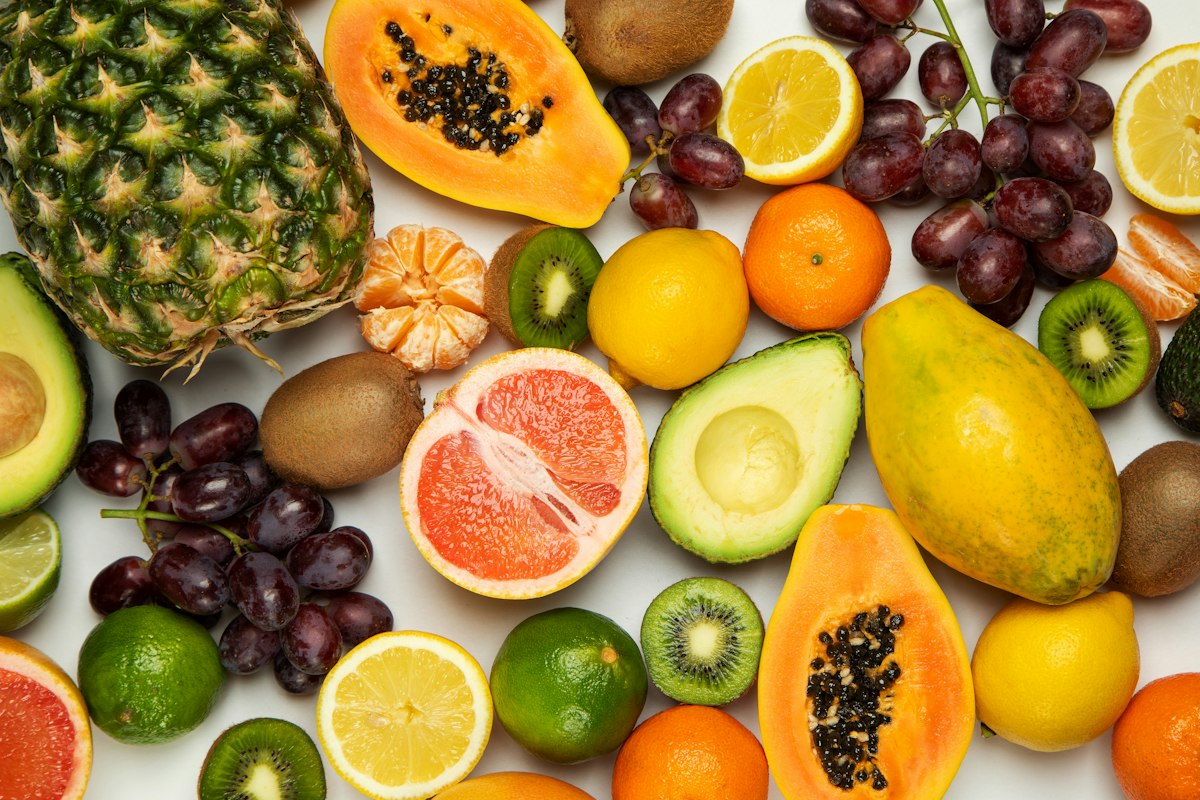
One of the easiest and most enjoyable ways to manage your health is to eat seasonal produce. Fruits, in particular, are treasure troves of vitamins, minerals, and antioxidants. Research shows that seasonal fruits, harvested at their peak, can contain up to 3 to 4 times more nutrients than produce grown out of season in artificial environments.
In this comprehensive guide, we will explore the amazing benefits of fruits for each season and reveal expert secrets for selecting the freshest, most delicious produce to fuel your body year-round.
Spring: Rejuvenating Your Vitality
As the body awakens from winter, metabolism increases and the demand for vitamins spikes. This is the perfect time for fruits that combat fatigue and restore energy.
1. Strawberries (March–May)
Often called the "Queen of Fruits," strawberries are exceptionally rich in Vitamin C. With twice the Vitamin C of lemons and ten times that of apples, just 6 to 7 strawberries can meet your daily requirement.
Benefits: The anthocyanins in strawberries aid vision and provide anti-cancer properties, while pectin promotes healthy digestion. They also contain ellagic acid, which helps protect the skin from UV damage.
Selection Tip: Look for bright green hulls (caps) that are perky and pointing upwards. Choose berries that are firm, shiny, and have a deep red color extending all the way to the top. A strong fragrance is a primary indicator of high sugar content.
2. Apricots & Early Plums (May–June)
Late spring brings stone fruits that are excellent for detoxifying the body and preparing your immune system for the heat ahead.
Benefits: Rich in organic acids like citric acid, these fruits help break down lactic acid to relieve fatigue and stimulate digestive juices. They are alkaline-forming foods that help balance the body's pH levels.
Selection Tip: Choose fruits that are uniform in size, firm to the touch, and free of blemishes or insect marks. They should feel heavy for their size, indicating high moisture content.
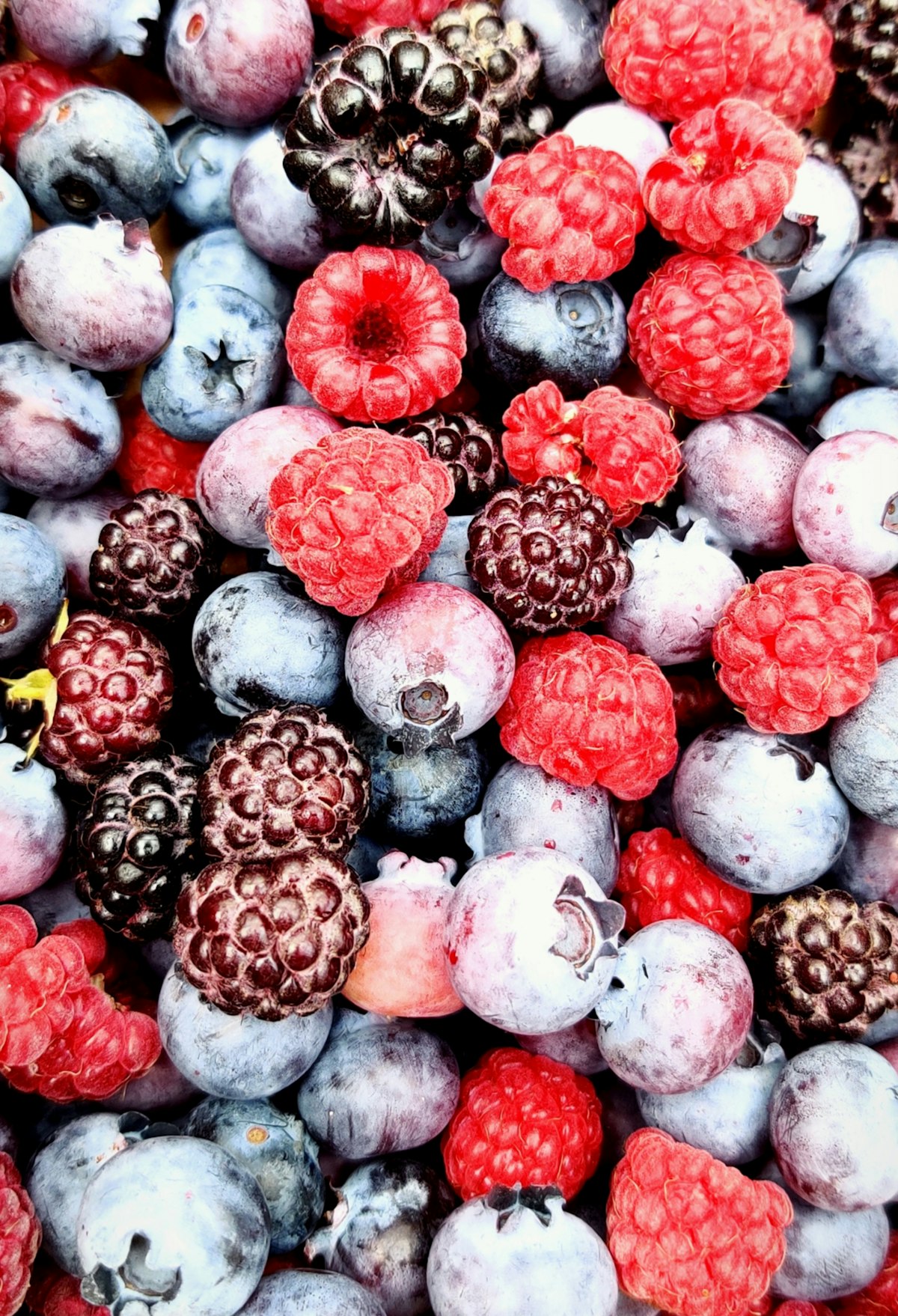
Summer: Hydration and Heat Relief
The summer heat often leads to dehydration and lethargy. Fruits with high water content and rich electrolytes act as natural revitalizers during this season.
1. Watermelon (June–August)
Composed of over 90% water, watermelon is the ultimate summer hydrator.
Benefits: It is richer in lycopene than tomatoes, providing powerful antioxidant effects. The citrulline content aids in diuretic functions, helping to reduce swelling and manage blood pressure.
Selection Tip: Look for a firm, symmetrical fruit without bruises. A yellow "field spot" on the underside indicates it ripened in the sun. When tapped, it should produce a deep, hollow sound. A small "belly button" at the bottom usually signifies a thinner rind and sweeter flesh.
2. Cantaloupe & Honeydew (June–August)
Melons are fantastic sources of folate and potassium, making them essential for summer health.
Benefits: High in Vitamin A and C, they boost immunity and skin health. The cucurbitacin found in many melons offers anti-cancer and liver-detoxifying benefits.
Selection Tip: Choose melons that have a sweet, floral aroma at the stem end. For cantaloupes, the netting should be thick and well-defined. Avoid overly large ones; medium-sized melons often have more concentrated sweetness.
3. Grapes (July–August)
Often called "Nature's Candy," grapes provide an immediate energy boost when the heat drains your stamina.
Benefits: Rich in glucose and fructose for quick energy. Grape skins contain resveratrol, which has powerful anti-aging properties and supports cardiovascular health.
Selection Tip: Ensure the clusters are full and the berries are firmly attached to the stem. A white powdery coating (bloom) is a natural sign of freshness and protection. Grapes are sweetest at the top of the cluster, so taste a berry from the bottom to gauge overall ripeness.
Fall: Strengthening the Immune System
With fluctuating temperatures, immune support becomes a priority. Fall harvests provide the necessary nutrients to prepare for the colder months.
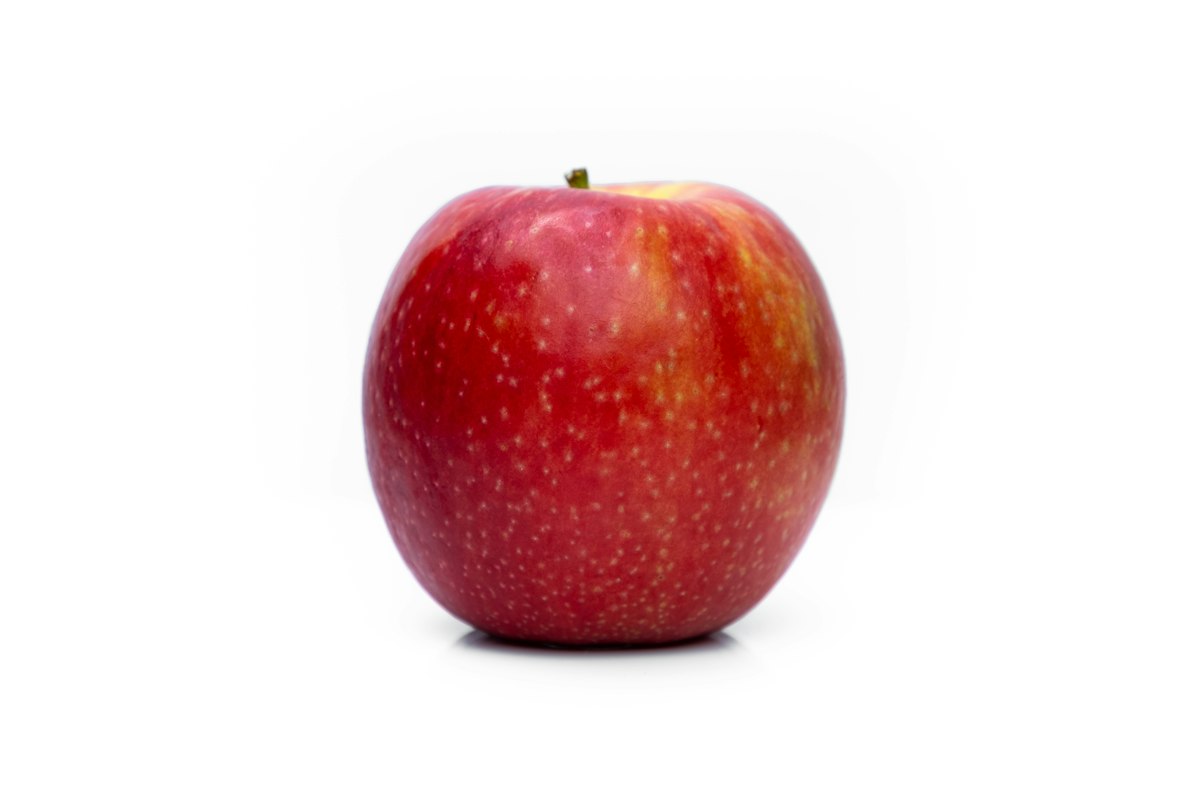
1. Apples (September–November)
True to the proverb "An apple a day keeps the doctor away," apples are a staple for long-term health.
Benefits: Pectin, a type of soluble fiber, helps regulate cholesterol and aids digestion. Quercetin strengthens lung function and protects the respiratory system from pollutants.
Selection Tip: The skin should be firm and taut. Choose apples with the stem still attached, as this keeps them fresh longer. While a smooth surface is attractive, slightly textured skin can sometimes indicate a more natural, tree-ripened flavor.
2. Pears (September–October)
Pears are excellent for soothing the throat and respiratory system during the dry fall air.
Benefits: They contain luteolin, which is effective in relieving bronchitis, phlegm, and coughs. Asparaginic acid also aids in hangover recovery and detoxification.
Selection Tip: Look for clear, unblemished skin. A heavy, dense feel indicates high juice content. For most varieties, pears ripen from the inside out; they should be slightly soft near the stem when ready to eat.
3. Persimmons (September–October)
Rich in both Vitamin A and C, persimmons are the perfect nutritional snack for the transition into winter.
Benefits: Tannins can help soothe upset stomachs and stop diarrhea. Their Vitamin C content is significantly higher than that of apples, making them great for cold prevention.
Selection Tip: Choose fruits with a deep orange-red color and a glossy skin. The cap should be green and firmly attached. For sweet persimmons (Fuyu), look for a firm, crunchy texture.
Winter: Immune Defense and Vitamin C
Reduced activity in winter requires a consistent Vitamin C intake to maintain physical resistance against the cold.
1. Citrus Fruits: Oranges & Tangerines (November–January)
Citrus fruits are the quintessential winter snack for immunity.
Benefits: Packed with Vitamin C for skin and immunity. The white pith (albedo) inside the peel contains Vitamin P (bioflavonoids), which strengthens capillaries and improves blood flow.
Selection Tip: Thin-skinned citrus fruits are usually juicier. They should feel heavy for their size. Avoid fruits that are too shiny (artificial wax); a few natural blemishes are fine. A green, fresh stem indicates a recent harvest.
2. Lemons & Grapefruits (November–December)
The bright, tart flavors of lemons and grapefruits provide a necessary zing to winter diets.
Benefits: High concentrations of Vitamin C and limonene help reduce inflammation in the throat. Grapefruit is also known for supporting metabolic health.
Selection Tip: Look for bright, vibrant colors and firm rinds. When squeezed gently, the fruit should have some "give" rather than being rock hard.
Expert Storage and Cleaning Tips
Even the best fruit can lose nutrients if stored incorrectly. Follow these tips to keep your produce fresh.
-
🍎
Keep Apples Separate: Apples release ethylene gas, which causes other fruits to ripen and spoil faster. Store apples in individual bags or away from other produce.
-
💧
Proper Cleaning: To remove pesticide residues, soak fruit in water with a bit of vinegar or baking soda for 5 minutes, then rinse thoroughly. For grapes, a light dusting of flour before washing helps remove fine dust.
-
🌡️
Maintain the Right Temperature: While most fruits benefit from refrigeration, tropical fruits like bananas and mangoes should be kept at room temperature to preserve their sweetness and texture.
Conclusion: Embracing the Season's Gifts
We have explored the diverse benefits and selection methods of fruits throughout the four seasons. Fruits are not just delicious desserts; they are nature's medicine cabinet. By consuming fruits that grow in harmony with the current season, we can maintain health and vitality without relying solely on supplements.
The next time you visit the market, think about your family's health and reach for a basket of the freshest seasonal produce. A single bite of a perfectly selected fruit can make your day sweeter and more energetic.
Start your healthy journey today with FreeImgFix.com!