Managing household waste is a fundamental yet often complicated task. Whether you are moving or doing a seasonal deep clean, dealing with large furniture, old appliances, and daily trash requires a clear understanding of local regulations. Failing to follow the correct disposal methods can lead to fines or service refusals. Understanding waste disposal fees and bulky item collection procedures is the first step toward a cost-effective and environmentally friendly home.
The Basics of Waste Disposal Systems
Most municipalities in the United States operate under various waste management systems, ranging from municipal curbside pickup to private hauler contracts. Many cities use "Pay-As-You-Throw" (PAYT) programs, where residents are charged based on the amount of waste they generate, often using specific city-issued bags or trash tags.
"Proper waste segregation and following local disposal guidelines are essential for sustainable resource management and public sanitation."
1. Standard Curbside Collection Fees
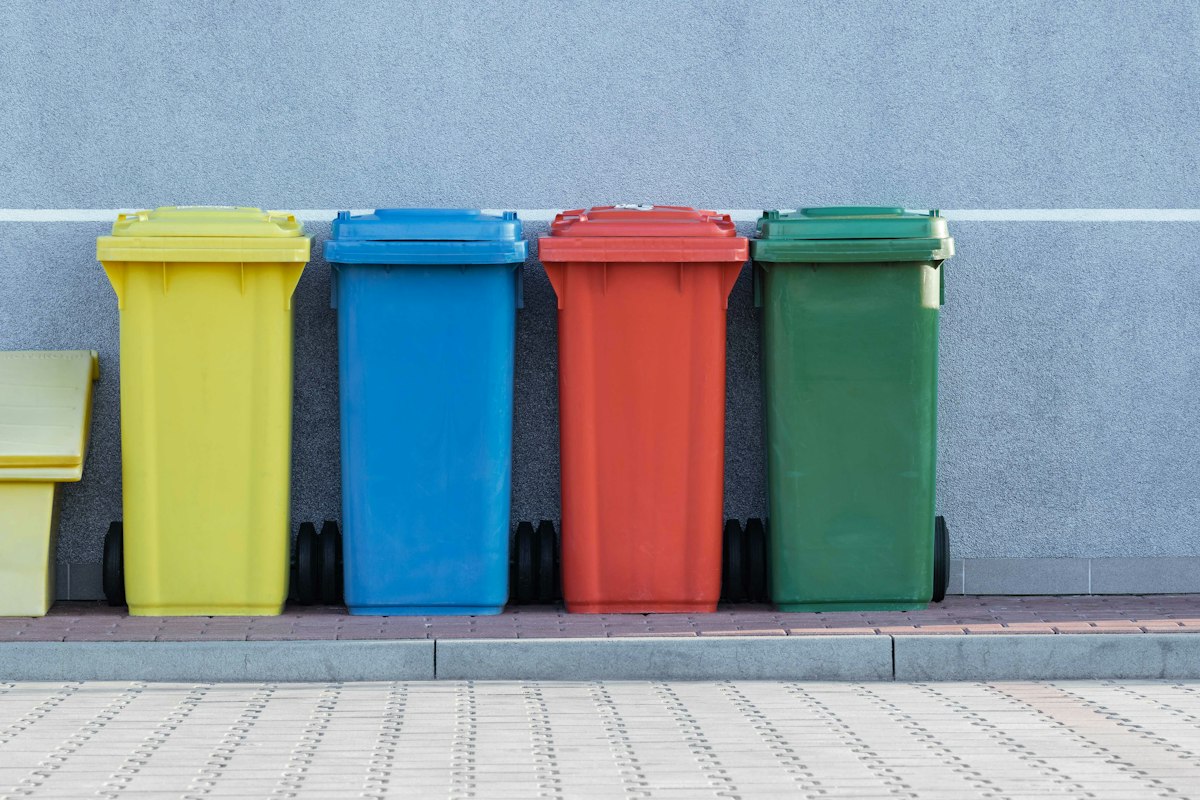
Household trash is typically collected once or twice a week. Depending on your location, you may pay a monthly flat fee through your utility bill or purchase specific bags/tags. Single residents often opt for smaller 32-gallon bins, while larger families use 64 or 96-gallon carts.
- Small Bins (32 gal): Approx. $15 - $25 per month
- Medium Bins (64 gal): Approx. $25 - $40 per month
- Large Bins (96 gal): Approx. $40 - $60 per month (Most common for families)
- City Trash Tags/Bags: Approx. $2 - $5 per bag (Pay-per-use)
2. Understanding Recycling and Green Waste
Recycling and yard waste collection are often included in the base fee or provided at a lower cost to encourage sustainability. However, contamination (putting non-recyclables in the blue bin) can result in fines. Always check your local EPA Recycling Guidelines or municipal website for a list of accepted materials.
Scheduling Bulky Item Pickup
Items that do not fit in your standard trash bin—such as mattresses, sofas, and large appliances—are classified as "Bulky Waste." These items require a special appointment for collection.

1. How to Request an Online Pickup
The most efficient way to schedule a collection is through your city's 311 portal or the waste management company's website. You will need to provide your service address, the list of items to be picked up, and a preferred date. Most cities offer official government portals where you can pay the bulky item fee online via credit card.
2. Drop-off Centers and Transfer Stations
If you have a vehicle and wish to save on pickup fees, you can take your items directly to a local transfer station or landfill. You will typically be charged based on the weight of the load (tipping fees) or per item. Ensure you bring proof of residency to qualify for local rates.
Common Bulky Item Fee Estimates
Fees vary significantly by jurisdiction. Below are typical estimates for common residential bulky items. Please consult your local waste management fee schedule for exact pricing.
| Item Category | Details | Est. Fee |
|---|---|---|
| Mattress/Box Spring | Twin to King size (per piece) | $20 - $50 |
| Upholstered Furniture | Armchairs, Sofas, Recliners | $15 - $40 |
| White Goods | Stoves, Washers, Dryers | $10 - $30 |
| Electronics (E-Waste) | TVs, Monitors, CPUs | $0 - $25 |
Pro Tip: Free E-Waste and Appliance Recycling
Many large appliances and electronics can be recycled for free through manufacturer take-back programs or retail partner services. Companies like Best Buy and Home Depot often host collection events for old batteries, light bulbs, and small electronics. For large items like refrigerators (which contain hazardous refrigerants), check with your local utility company, as they may offer "bounty" programs that pay you to recycle old, inefficient units.
Regulations and Illegal Dumping Fines
Improper disposal of waste can result in significant legal and financial consequences. Illegal dumping fines can exceed $1,000 depending on the state and local laws. To avoid penalties, adhere to the following:
1. Adhere to Set-out Times
Place bins at the curb no earlier than the evening before collection and remove them promptly after pickup.
2. Prohibited Materials
Never place hazardous waste (paint, motor oil, pesticides) in regular trash. Use designated HHW collection centers.
3. Weight Limits
Overloaded bins that exceed weight limits may not be emptied and could result in additional surcharges.
4. Secured Loads
If transporting waste yourself, ensure the load is covered with a tarp to prevent littering on public roads.
Conclusion: Your Contribution to a Cleaner Community
Proper waste management is a shared responsibility. By understanding the fees and procedures for disposal, you contribute to a cleaner, safer, and more sustainable neighborhood. We hope this guide helps you navigate the complexities of residential waste management with ease.
Visit FreeImgFix.com for more smart lifestyle guides and information!