
GERD (Gastroesophageal Reflux Disease) is a common condition affecting millions of Americans, starting with a persistent lump-in-throat sensation and progressing to severe nighttime heartburn that disrupts sleep. While many rely on medication like PPIs, simply adjusting your sleeping position can dramatically reduce symptoms. Did you know that sleeping on your left side is scientifically proven to alleviate acid reflux? Let's explore the anatomical evidence behind this essential habit.
What is GERD?
GERD occurs when stomach acid or bile flows back into the esophagus, irritating the lining. At the junction of the esophagus and stomach sits the Lower Esophageal Sphincter (LES), a valve that should only open to let food through. When this muscle weakens or relaxes inappropriately, acid escapes upward, causing chronic inflammation and pain.
"Affecting roughly 20% of the US population, untreated GERD can lead to serious complications such as esophageal ulcers, Barrett’s esophagus, or even esophageal cancer."
Why the Left Side? Anatomical Secrets
The primary reason lies in the asymmetric structure of our internal organs. The stomach is a J-shaped pouch oriented toward the left, with the esophagus entering on the right side of the upper stomach.
1. Gravity and Stomach Placement
When you sleep on your left side, your stomach remains below the esophagus. Due to its 'J' shape, the gastric volume settles in the larger curvature of the stomach, and the esophageal opening points upward. In this position, gravity keeps the stomach acid pooled below the level of the LES, making reflux physically difficult.

The anatomical placement of the stomach provides the scientific foundation for optimal sleep posture.
2. The Danger of Right-Side Sleeping
Conversely, sleeping on your right side places the stomach above or at the same level as the esophagus. This creates a "sliding effect" where acid pools directly against the LES. If the sphincter is even slightly weak, acid flows freely into the esophagus. Clinical studies show that right-side sleepers experience more frequent reflux episodes and significantly longer acid clearance times compared to those on their left.
What Research and Clinical Data Show
According to research published in the Journal of Clinical Gastroenterology, patients who slept on their left side saw a reduction in acid exposure time by up to 70% compared to right-side or supine (back) sleepers. Furthermore, even if reflux does occur on the left side, the esophagus is better positioned to return the acid to the stomach through natural peristalsis.
During pregnancy, left-side sleeping is especially critical. As the growing fetus puts pressure on the stomach, GERD symptoms often worsen. Sleeping on the left not only reduces this pressure but also improves blood flow to the placenta by preventing compression of the inferior vena cava.
Building the Perfect Sleeping Environment
Beyond just turning to your left, several environment-based strategies can further enhance your sleep quality.
✅ Nighttime GERD Prevention Checklist
-
📐
Elevate Your Upper Body: Don't just stack pillows; use a wedge pillow to create a gradual incline (15-20 degrees) from your waist to your head. Standard pillows can bend the neck and increase abdominal pressure, which may actually trigger reflux.
-
🍲
The 3-Hour Rule: It takes at least 3 hours for the stomach to empty into the duodenum. Lying down before this window closes is a direct invitation for acid reflux.
-
👖
Wear Loose Pajamas: Tight waistbands increase intra-abdominal pressure. Choose loose, breathable fabrics to stay comfortable and reflux-free.
-
🧘
Knee Pillow Support: Placing a pillow between your knees can help maintain spinal alignment, making it more comfortable to stay on your left side for the entire night.
Lifestyle Modifications for Long-term Relief
Your daytime habits are just as important as your nighttime posture. Certain foods weaken the LES and should be managed carefully.
⚠️ Trigger Foods
Caffeine (coffee, tea), alcohol, chocolate, carbonated drinks, fried/greasy foods, spicy meals, and high-acid fruits (oranges, lemons).
✅ Recommended Foods
Cabbage (rich in Vitamin U), ginger, oatmeal, bananas, lean proteins (fish, chicken), and non-citrus fruits.
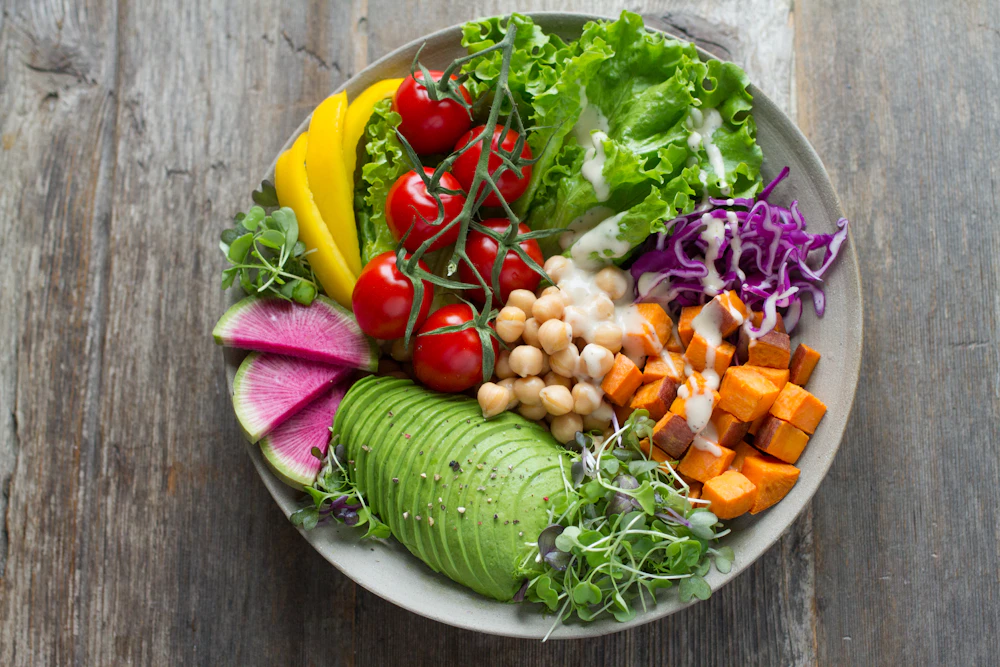
A balanced diet is the fundamental building block of GERD management.
Conclusion: Start Sleeping Better Tonight
GERD is often a chronic battle, but by simply changing the direction you face in bed, you can transform painful nights into restful ones. Sleeping on your left is a science-backed, cost-effective therapy that physically prevents acid from rising.
If your symptoms persist or worsen despite these changes, please consult a healthcare professional for a tailored medical plan. You can find more comprehensive wellness guides by visiting the Official Website. Explore the resources available at FreeImgFix Official Site to protect and improve your digestive health.
FreeImgFix.com supports your journey to a healthier tomorrow!