
When you receive your medical checkup results, the first red numbers you often notice are liver enzyme levels (ALT, AST). The liver is known as the "silent organ" because it rarely shows symptoms until 70-80% of it is damaged. Therefore, levels outside the normal range are a strong warning sign from your body. In this post, we will delve into what these enzymes mean, specific lifestyle habits to lower them, and the scientific truth behind the popular supplement, Milk Thistle.
1. What Do ALT and AST Levels Mean?
Liver enzymes are proteins that help speed up chemical reactions in the liver. When liver cells are damaged or inflamed, these enzymes leak into the bloodstream.
AST (Aspartate Aminotransferase): Found in the liver, but also in the heart, muscles, brain, and kidneys. If only AST is high, it might indicate muscle damage or heart issues rather than just liver problems.
ALT (Alanine Aminotransferase): Concentrated primarily in the liver. Therefore, elevated ALT is a more specific indicator of liver cell damage and is the most important marker for liver health monitoring.
While normal ranges vary by laboratory, a level below 40 U/L is generally considered standard. However, many medical experts now suggest that optimal levels should be even lower for long-term health.
2. 5 Key Habits to Lower Liver Enzymes
The liver has an incredible capacity for regeneration. Correcting lifestyle habits can lead to a dramatic improvement in enzyme levels. Please refer to the American Liver Foundation for more detailed guidance.
① Cutting Refined Carbs and Managing Sugars
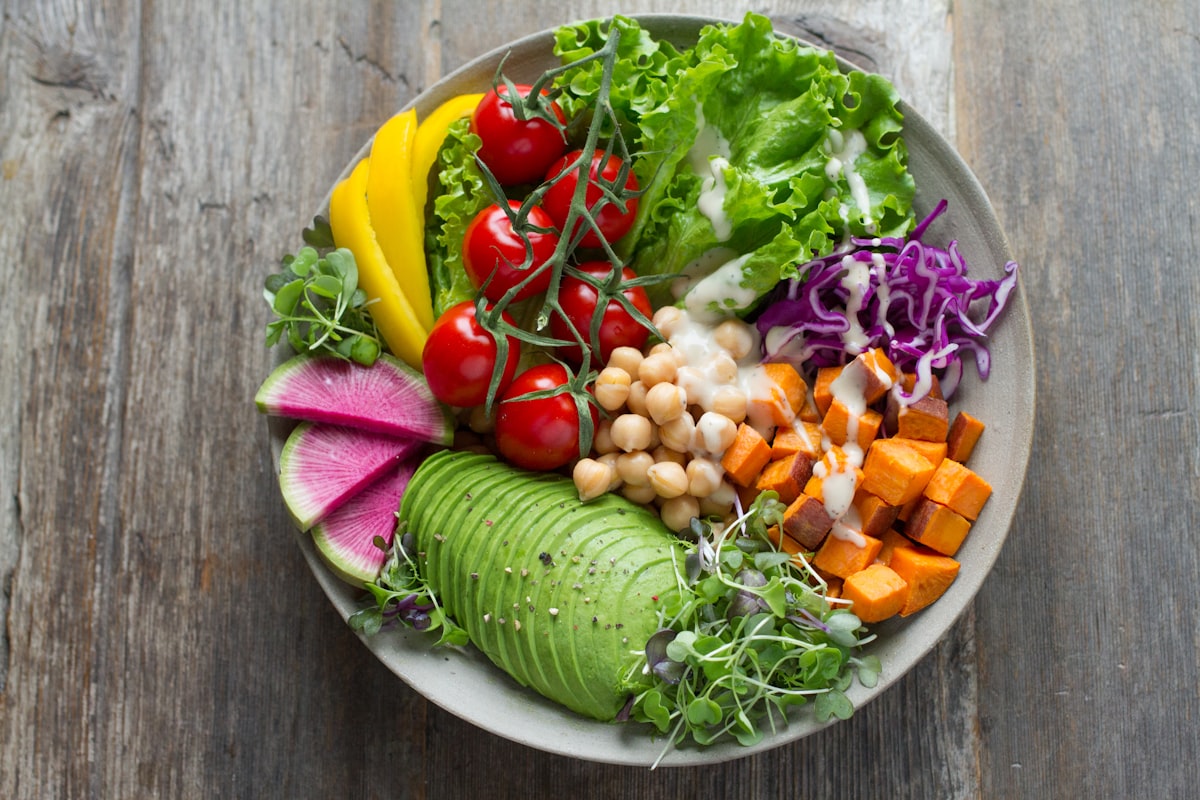
While many believe fatty liver is caused only by fatty foods, excessive carbohydrate intake is a major culprit in Western diets. Excess glucose is converted into triglycerides in the liver, leading to Non-Alcoholic Fatty Liver Disease (NAFLD). High-fructose corn syrup (found in sodas and processed snacks) is particularly toxic to the liver. Focus on whole grains and fiber-rich vegetables rather than white bread and sugary juices.
② Regular Aerobic and Resistance Training
Exercise is one of the most effective ways to burn fat stored in the liver. Aim for at least 150 minutes of moderate-intensity aerobic exercise per week (brisk walking, swimming, cycling). Resistance training is equally important; increasing muscle mass boosts your basal metabolic rate, fundamentally reducing the amount of fat heading to the liver.
③ Losing 5-10% of Body Weight
If you are overweight, losing just 5% of your body weight can significantly reduce liver fat. Losing 10% can improve liver inflammation and even reverse some scarring (fibrosis). However, crash dieting or extreme fasting can put excessive stress on the liver and may temporarily increase enzyme levels. Aim for a gradual loss of 1-2 lbs per week.
④ Stopping Unnecessary Medications and Supplements
Everything you ingest is processed by the liver. When enzymes are high, the first step is often to "stop" rather than "add." Over-the-counter pain relievers (like Acetaminophen), unverified herbal extracts, and excessive supplement stacking can cause drug-induced liver injury. Consulting a professional to review your medications is the essential first step in management.
⑤ Quality Sleep and Stress Management
The liver reaches its peak of regeneration and detoxification while you sleep. Irregular sleep patterns or chronic sleep deprivation interfere with liver metabolism and increase inflammatory markers. Additionally, the stress hormone cortisol promotes fat accumulation in the liver, making stress management vital for recovery.
3. The Truth About Milk Thistle: Miracle or Myth?
Milk Thistle is the most well-known "liver supplement." Its active ingredient is Silymarin. Here is what science says about its efficacy.

How Silymarin Works
Silymarin acts as a powerful antioxidant. 그것 protects liver cells by blocking toxins and stimulates protein synthesis to help regenerate damaged tissue. It also increases levels of glutathione, the body's master antioxidant, which is crucial for detoxification.
The Limitations: It is Not a Cure
Under FDA regulations, Milk Thistle is classified as a dietary supplement, not a medication to treat or cure diseases. While some studies show benefits for mild liver inflammation, there is insufficient evidence that it can cure severe alcoholic liver disease or chronic viral hepatitis on its own. Taking supplements while continuing a poor diet or drinking alcohol is ineffective.
Side Effects and Warnings
Milk Thistle is generally safe but can cause gastrointestinal issues like diarrhea or bloating in some. Those with allergies to ragweed or marigolds should be cautious. Furthermore, because it can have estrogen-like effects, individuals with hormone-sensitive conditions (like certain breast cancers or uterine fibroids) must consult a physician before use.
4. Common Myths and Facts About Liver Health
Q. Why are my enzymes high even though I don't drink alcohol?
The leading cause of elevated liver enzymes today is NAFLD, driven by high sugar intake, abdominal obesity, and refined carbs. Sugar and belly fat can be just as damaging as alcohol.
Q. Do high liver enzymes always cause fatigue?
While decreased liver function can lead to fatigue and indigestion, many people experience no symptoms at all. Regular blood tests are the only way to be sure.
Q. Is coffee actually good for the liver?
Yes, numerous studies suggest that 2-3 cups of black coffee daily can reduce the risk of liver fibrosis and liver cancer. It must be black coffee without added sugar or creamers.
5. Checklist for Managing Liver Enzymes
-
✅
Regular Checkups: Get blood tests and ultrasounds every 6-12 months.
-
🍚
Dietary Control: Reduce refined carbs and increase fiber intake.
-
🚭
Alcohol Abstinence: Give your liver "rest days" (at least 3 consecutive days).
-
💊
Wise Supplement Use: Take only verified products at recommended dosages.
-
💧
Hydration: Drink 1.5-2L of water daily to assist detoxification.
Conclusion: Your Liver Responds to Your Efforts
Do not despair if your liver enzymes are high. The liver is one of the most regenerative organs in the body. Small changes in your daily habits starting today can help regenerate liver cells and bring your levels back to normal. Instead of relying solely on supplements like Milk Thistle, returning to the basics of a balanced diet and consistent exercise is the fastest path to recovery.
We hope this guide empowers you to take control of your health. For more reliable information, please visit the CDC or consult with a healthcare professional to create a personalized plan.
Design your healthy tomorrow with FreeImgFix.com!