
At the root of many modern health issues lies a common factor: Chronic Inflammation. While acute inflammation is a healthy temporary defense mechanism, chronic inflammation is a persistent, low-grade internal stressor that slowly damages blood vessels and organs. Often called the silent killer, it can linger for years without obvious symptoms.
Why Chronic Inflammation is Dangerous
Chronic inflammation is difficult to see with the naked eye. However, the continuous accumulation of inflammatory cells in the body is a major driver of cancer, diabetes, cardiovascular disease, and Alzheimer's. Inflammatory markers circulating in the blood can disrupt the immune system and attack healthy tissues. Leading health organizations like the CDC and WHO emphasize that dietary choices are critical in managing systemic inflammation.
While medication may be necessary, your daily diet can be one of the most powerful tools for lowering inflammation levels. Every ingredient you choose can either dampen or fuel inflammatory responses. Below, we explore 10 scientifically-proven superfoods that can help you reclaim your health.
"Let food be thy medicine and medicine be thy food." - Hippocrates
Top 10 Anti-Inflammatory Superfoods
1. Fatty Fish (Rich in Omega-3s)
Salmon, mackerel, sardines, and herring are packed with EPA and DHA, powerful omega-3 fatty acids. These fats inhibit the production of prostaglandins that trigger inflammation and are known to lower C-reactive protein (CRP) levels. According to FDA guidelines, incorporating fatty fish into your diet twice a week can significantly support heart health.
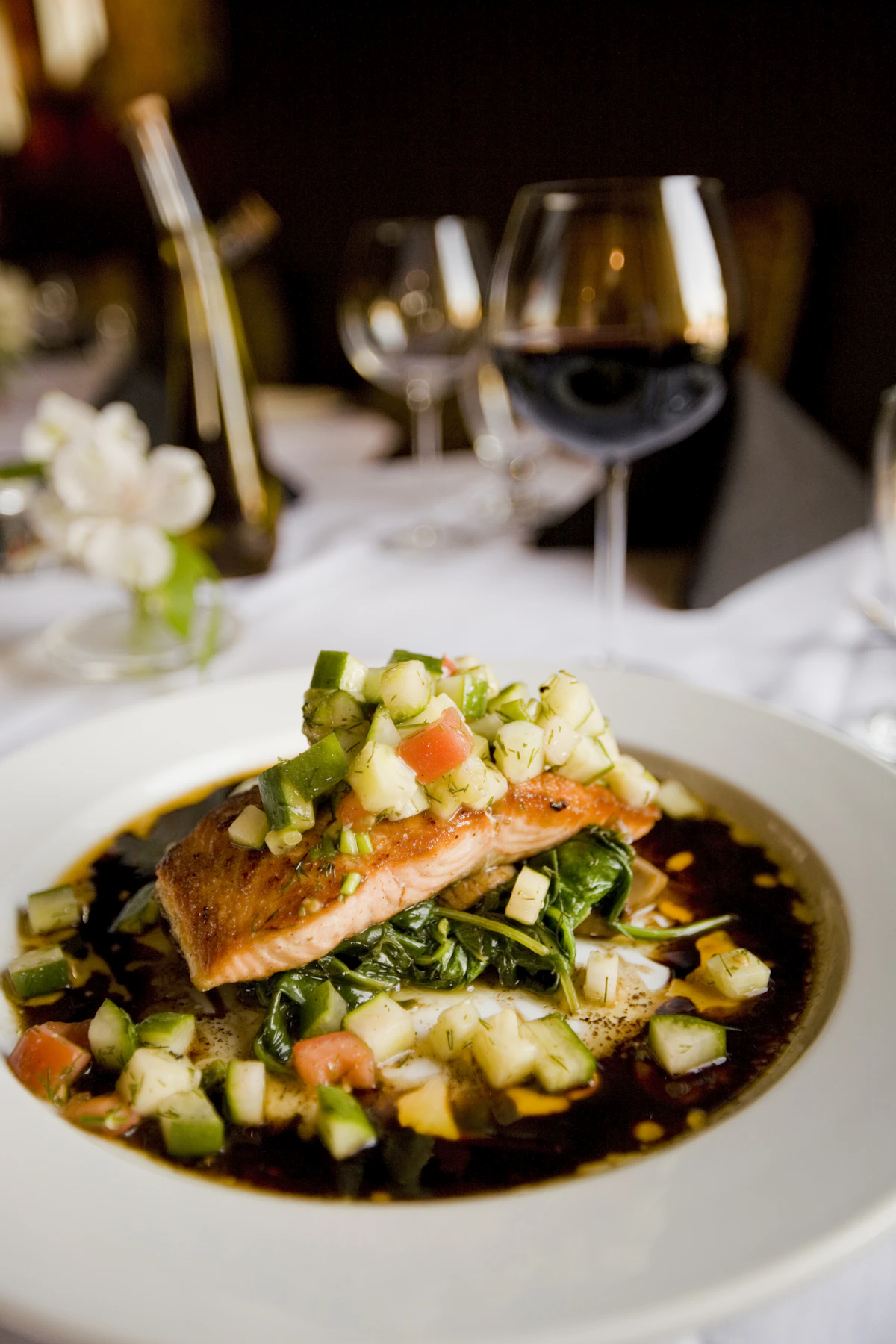
Regular consumption helps reduce risks associated with metabolic syndrome and heart disease. For the best results, opt for steamed or grilled fish instead of frying to preserve the delicate fatty acids.
2. Turmeric (The Power of Curcumin)
The vibrant yellow spice Turmeric contains Curcumin, one of nature's most potent anti-inflammatory compounds. Curcumin blocks the NF-kB pathway, which is responsible for activating genes related to inflammation, helping to relieve symptoms of arthritis and other inflammatory conditions.
Because curcumin has low bioavailability, it is best consumed with black pepper. The piperine in pepper can increase curcumin absorption by up to 2,000%. Since curcumin is fat-soluble, cooking it with healthy fats like olive oil further boosts its effectiveness.
3. Berries (Antioxidant Powerhouse)
Blueberries, strawberries, raspberries, and blackberries are loaded with Anthocyanins. These antioxidants strengthen the immune system and stimulate 'Natural Killer (NK) cells' that help control inflammation.

Studies show that those who eat berries regularly have significantly lower markers of systemic inflammation. Blueberries, in particular, may help reduce neuroinflammation, protecting cognitive function as we age. Enjoy them fresh or frozen without added sugars.
4. Cruciferous Vegetables (Sulforaphane Strength)
Broccoli, cauliflower, kale, and cabbage contain Sulforaphane. This compound blocks enzymes that trigger cytokine production, offering strong anti-inflammatory and anti-cancer benefits.
Broccoli is especially rich in Vitamins K and C, essential for vascular health. To maximize sulforaphane intake, lightly steam your vegetables or chop them and let them sit for 5 minutes before cooking to activate the beneficial enzymes.
5. Avocados (The Ultimate Healthy Fat)
Avocados are packed with potassium, magnesium, fiber, and monounsaturated fats. Compounds like carotenoids and tocopherols in avocados have been shown to reduce skin inflammation and provide protection against early-stage cancer development.
Interestingly, studies suggest that adding avocado to a meal can mitigate the inflammatory response typically seen after eating high-fat processed foods. It acts as a perfect dietary partner to balance out metabolic stress.
6. Green Tea (EGCG Protection)
Green tea is rich in EGCG (Epigallocatechin-3-gallate), a type of catechin. EGCG protects cell membranes and inhibits the release of pro-inflammatory cytokines, reducing the risk of heart disease and obesity-related inflammation.
Sipping 2-3 cups of warm green tea daily is an easy way to lower systemic inflammation. Ensure you are drinking pure leaf tea rather than sugary, processed versions to reap the full benefits.
7. Extra Virgin Olive Oil
A staple of the Mediterranean diet, high-quality extra virgin olive oil contains Oleocanthal. This antioxidant works similarly to ibuprofen, blocking the enzymes that cause inflammation in the body. Organizations like The American Heart Association recommend olive oil as a heart-healthy fat choice.
Drizzle it over salads or use it as a finishing oil. Because it has a low smoke point, it is best consumed raw to keep the healthy compounds intact.
8. Tomatoes (Lycopene's Punch)
The red pigment in tomatoes, Lycopene, is famous for neutralizing free radicals and reducing inflammation in the lungs and prostate. Tomatoes are also excellent sources of Vitamin C and potassium.
Lycopene is heat-stable and actually becomes more bioavailable when cooked. Therefore, consuming tomatoes sautéed in olive oil or in sauces provides a much stronger anti-inflammatory effect than eating them raw.
9. Mushrooms (Beta-Glucan Action)
Shiitake, oyster, and reishi mushrooms are rich in Beta-glucans and selenium, which modulate immune responses and activate the body's defense mechanisms. They also contain phenolic compounds that protect cells from oxidative stress.
Interestingly, dried mushrooms often have more concentrated nutrient profiles. Incorporating mushrooms into your cooking provides deep flavor while serving as a natural anti-inflammatory boost.
10. Dark Chocolate (Cocoa Power)
Dark chocolate with at least 70% cocoa is rich in Flavanols. These compounds improve the function of the endothelial cells lining the blood vessels and reduce inflammation, promoting smoother blood flow.
To avoid the inflammatory effects of sugar, always choose high-cocoa content products and limit your intake to 1-2 small squares per day.
Foods to Avoid to Prevent Inflammation
Reducing inflammation isn't just about what you add; it's also about what you remove. The following foods are known to trigger immediate oxidative stress and inflammatory responses.
-
🚫
Refined Sugars & High-Fructose Corn Syrup: Sugary drinks and snacks spike insulin and can trigger a cytokine storm.
-
🚫
Trans Fats: Found in many fried and processed snacks, these are major culprits for cardiovascular inflammation.
-
🚫
Refined Carbohydrates: White bread, white rice, and pastries raise blood sugar rapidly, accelerating inflammatory pathways.
-
🚫
Excessive Alcohol: Alcohol causes liver toxins to build up and can lead to gut bacteria imbalances, fueling systemic inflammation.
Lifestyle Habits to Boost Anti-Inflammatory Effects
Diet works best when paired with healthy lifestyle choices. Consider these habits to maximize your results:
1. Prioritize Quality Sleep
Lack of sleep increases cortisol levels, which triggers inflammation. Aim for 7-8 hours of restful sleep daily.
2. Regular Aerobic Exercise
Moderate daily exercise has been shown to lower CRP levels, a key marker of systemic inflammation.
3. Manage Stress
Mindfulness and deep breathing help balance the nervous system, inhibiting the release of inflammatory cytokines.
4. Stay Hydrated
Water is the most basic tool for flushing out toxins. Aim for at least 8 cups (2L) of water throughout the day.
Final Thoughts: Health Starts on Your Plate
Chronic inflammation doesn't develop overnight, and it won't disappear overnight either. However, by consistently choosing anti-inflammatory ingredients, you give your body the resources it needs to heal. Start by incorporating these 10 foods into your meals and gradually reducing inflammatory triggers.
Every small step counts towards a healthier future. For more specialized health guides, please visit our Official Health Information Center. Listen to your body and nourish it with the love it deserves.
Build a Healthier Tomorrow with FreeImgFix.com!