Hypertension, often called the "silent killer," frequently goes unnoticed until it leads to severe health complications. While many patients strive to follow a low-sodium diet, you might be surprised to learn that some foods you perceive as "healthy" could actually be spiking your blood pressure.
Sodium isn't just found in table salt. It hides in preservatives, flavor enhancers, and even in foods that don't taste salty at all. As we head toward 2026, it is crucial to identify and eliminate these hidden hypertension traps from your pantry.
1. The Breakfast Trap: Breads and Bagels
Most people don't think of bread as a "salty" food. However, bakery products are among the top sources of sodium in the American diet. Salt is used not just for flavor, but to improve dough elasticity and shelf life.
A single bagel can contain between 400 to 600mg of sodium—nearly 25% of your recommended daily limit. Add salted butter or cream cheese, and you've already exceeded a safe sodium intake for one meal. Even "whole grain" options can be high in sodium to mask the bitter notes of whole wheat, so always check the nutrition facts.
"Just because it doesn't taste salty doesn't mean it's low in sodium. The danger of processed foods lies in the invisible additives."
2. Silent Saboteurs: Sauces and Dressings
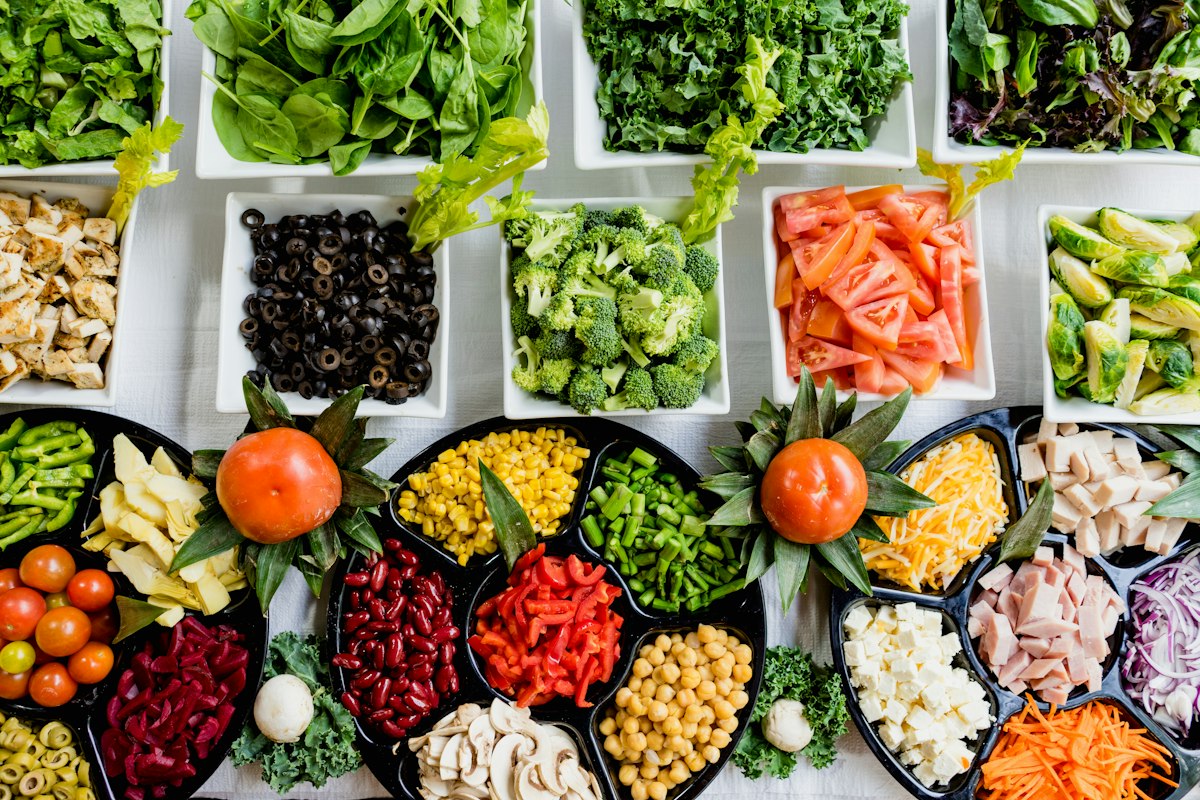
Eating a salad is a great healthy choice, but commercial dressings can ruin your progress. Ketchup, mustard, and especially fat-free dressings often swap fat for high amounts of sugar and sodium to maintain flavor.
Soy sauce and BBQ sauces are particularly dangerous. A single tablespoon of soy sauce can contain over 40% of the American Heart Association (AHA) daily recommendation for sodium. Instead, use vinegar, lemon juice, fresh herbs, and cracked pepper to season your food. The CDC emphasizes that small changes in seasoning can significantly lower blood pressure over time.
3. The Sweet Danger: Sodas and Fruit Juices
Sodium isn't the only enemy. Excessive sugar intake leads to insulin resistance, which stimulates the sympathetic nervous system and raises blood pressure. High-fructose corn syrup in sodas and even "natural" fruit juices can be just as harmful as salt.
Fructose is metabolized in the liver, producing uric acid. High levels of uric acid damage the lining of blood vessels and cause them to constrict, leading to hypertension. Opt for plain water or eat whole fruits instead of drinking them to ensure you get the fiber that helps regulate sugar absorption.
4. The Truth About Deli Meats: Ham and Sausages
Deli meats, hot dogs, and bacon are high in both sodium and nitrates. These preservatives are used to keep meat pink and prevent spoilage, but they can interfere with blood vessel function and accelerate the hardening of arteries.
Studies show that individuals who regularly consume processed meats have a significantly higher risk of chronic hypertension. If you must consume these, look for "sodium-reduced" options or boil them briefly to leach out some of the salt and additives before eating.

5. Liquid Spikes: Caffeine and Energy Drinks
While moderate coffee consumption might have benefits, caffeine is a potent stimulant that can cause a short-term spike in blood pressure. Energy drinks are particularly risky as they combine high doses of caffeine with taurine and excessive sugar, stressing the heart and constricting vessels.
If your blood pressure is currently uncontrolled, it is wise to limit caffeine or switch to decaf and herbal teas. Monitoring your heart rate after caffeine consumption is a good way to see how it affects your body personally.
6. The "Healthy" Trap: Canned Soups and Frozen Meals
In many Western diets, canned soups and frozen "TV dinners" are staples for busy individuals. These are often sodium bombs. A single can of soup can easily contain 800mg to 1,000mg of sodium, designed to act as a preservative and flavor enhancer for long shelf lives.
Even "low-fat" frozen meals often increase sodium to make up for the lack of fat. Whenever possible, choose frozen vegetables without sauces and prepare your own meals where you can control the salt content.
3 Pillars of Effective Blood Pressure Management
-
🔍
Master the Nutrition Label: Always check 'Sodium' and 'Added Sugars.' Look at the % Daily Value based on the actual serving size you consume.
-
🥦
Boost Your Potassium: Potassium helps your body flush out sodium. Incorporate foods like bananas, spinach, sweet potatoes, and avocados into your meals.
-
💧
Stay Hydrated: Drinking enough water helps dilute the sodium in your bloodstream and supports healthy kidney function.
The DASH Diet: A Proven Solution
Developed by the National Institutes of Health (NIH), the DASH (Dietary Approaches to Stop Hypertension) diet is globally recognized as one of the most effective ways to lower blood pressure. The core principle is simple: more fruits, vegetables, and low-fat dairy; less saturated fat and sodium.
Switching from white rice and pasta to whole grains, and choosing fish or poultry over red meat, can have a dramatic impact. Clinical trials have shown that the DASH diet can lower blood pressure in as little as two weeks.
Closing Thoughts: Small Choices, Big Impact
Managing hypertension is a marathon, not a sprint. The bagel you skip or the water you choose over soda today builds the foundation for your vascular health in 2026. By recognizing these hidden food traps, you are taking control of your health.
Remember, the most powerful tool for your health is not the pills in your cabinet, but the food on your plate. Make smart choices today for a healthier tomorrow.
Start your journey to heart health with FreeImgFix.com today!