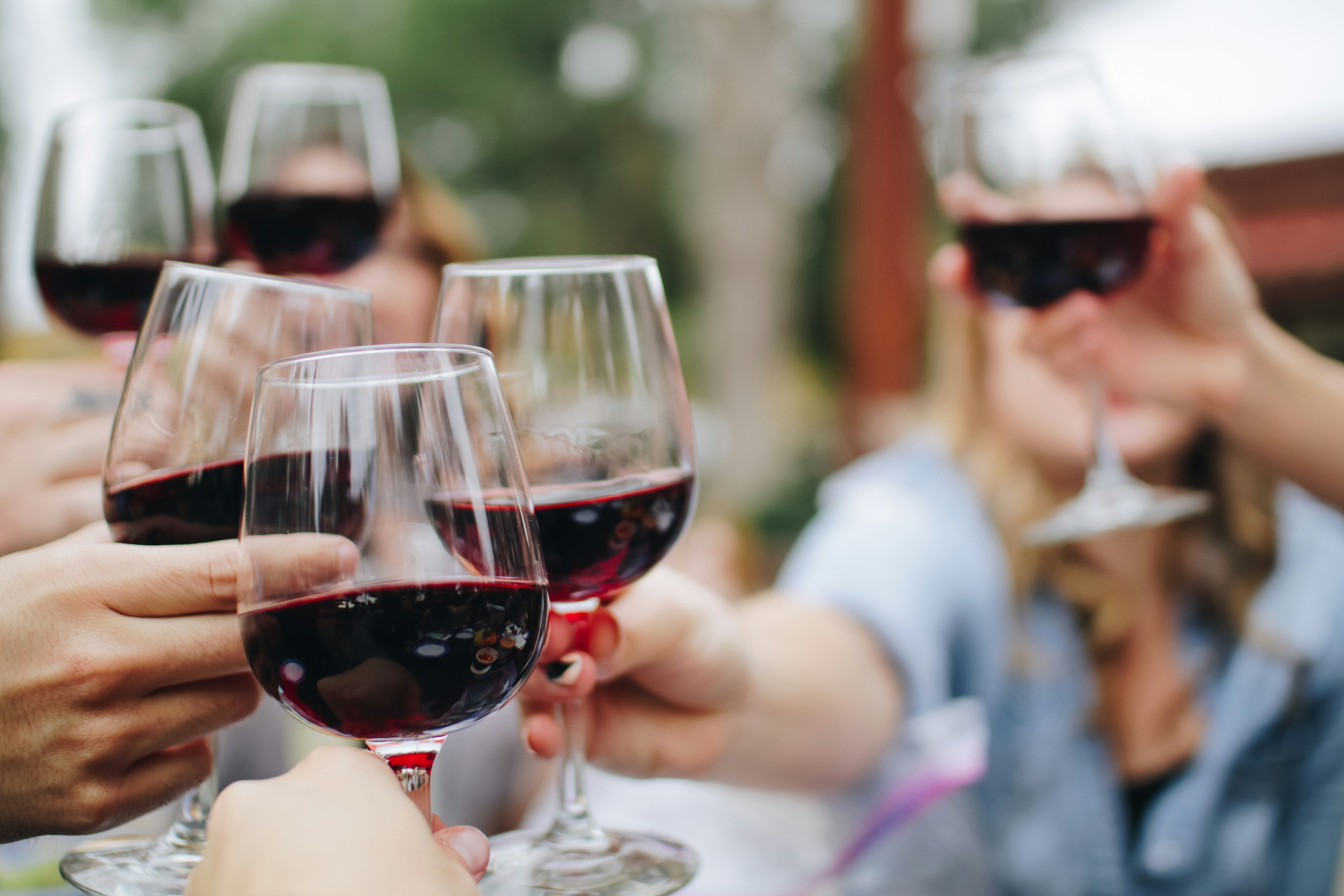
Wine is no longer exclusive to connoisseurs. Just walking into your local grocery store today, you'll find thousands of bottles from around the world. But for many beginners, the massive selection is overwhelming. "Will this taste good?" or "Am I paying too much?" are common worries.
This guide is designed to help novices navigate the "wine jungle" of major retailers and find the perfect value wine. A high price tag doesn't always equal high quality. There are plenty of hidden gems in the $15–$25 range that can make your evening special. Let's dive into the strategies for finding them.
1. Understanding the Grocery Store Wine Aisle
Grocery chains and massive retailers like Costco, Trader Joe’s, and Total Wine are the most powerful wine distributors in the US. Each has a different strategy for sourcing.
The Retailer Advantage
Costco, for example, is the largest wine retailer in the world. Their Kirkland Signature label often provides incredible value by bottling high-quality juice from famous regions at a fraction of the cost. Trader Joe's is famous for its "private label" wines that offer unique varieties at entry-level prices. Knowing where to shop is half the battle.
💡 Quick Retailer Tips:
- Costco: Focus on Kirkland Signature and rotating selections of high-end brands at wholesale prices.
- Trader Joe's: Great for everyday drinkers and unique European imports under their house brand.
- Total Wine: Massive inventory with helpful staff "picks" and a wide range of boutique options.
2. The "New World" Strategy for Beginners
For many beginners, Old World wines (France, Italy, Spain) can be confusing because their labels often list regions instead of grape varieties. New World wines (USA, Chile, Argentina, Australia) are usually much more straightforward.
Look to California, Chile, and Argentina
California wines, especially Cabernet Sauvignon and Chardonnay, are consistent crowd-pleasers. Chile offers some of the best value for money in the world with their bold reds. Argentina is the king of Malbec, which is the perfect companion for grilled steak.
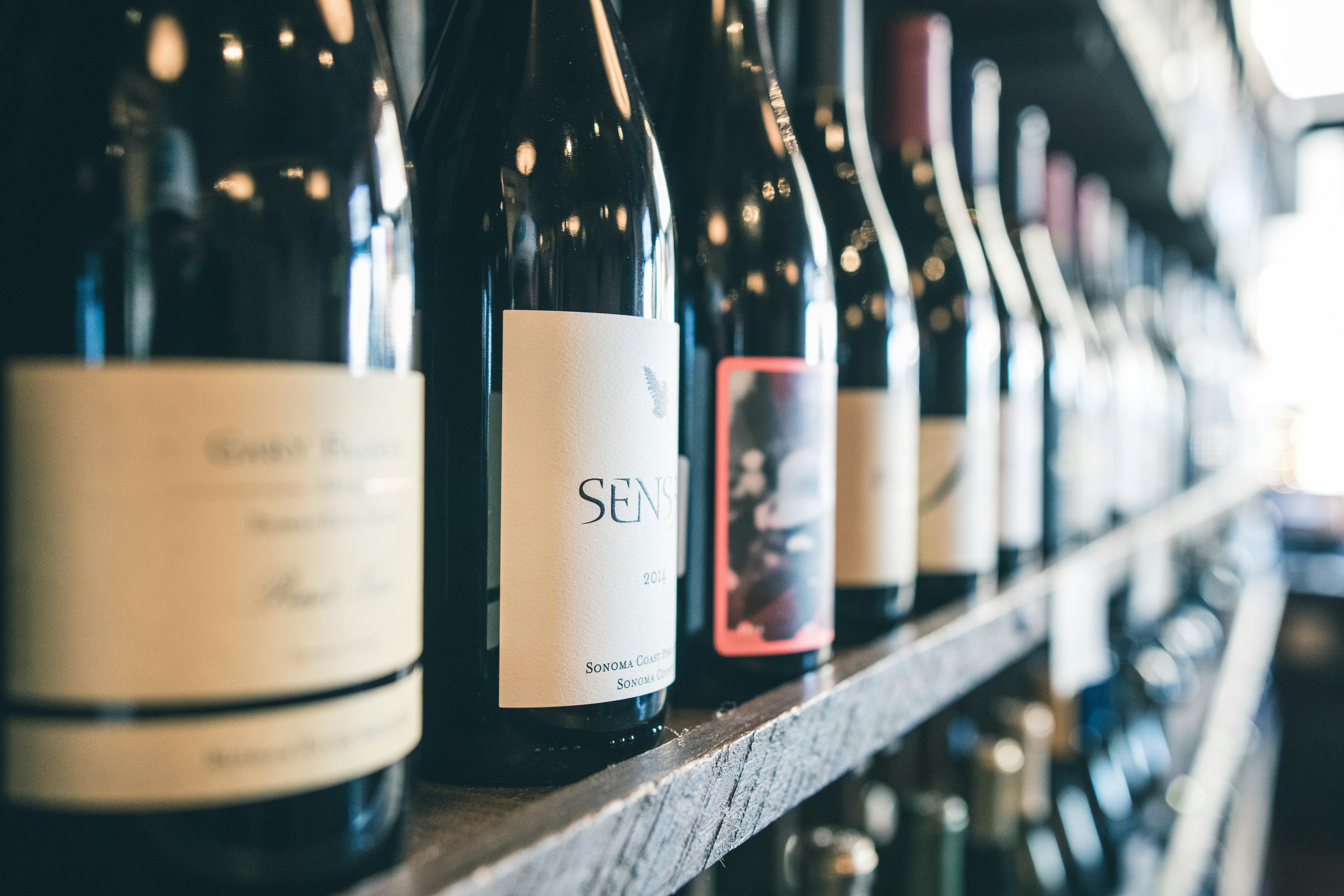
The biggest advantage of New World wines is varietal labeling. You'll see "Cabernet Sauvignon" or "Pinot Noir" right on the front, so you know exactly what to expect. Plus, the climates in these regions are more stable, meaning the quality is consistent from year to year.
3. Your Best Tool: The Vivino App
Ever seen someone snapping photos of wine labels in the aisle? They are likely using Vivino. For a beginner, this app is your personal sommelier.
How to Interpret Ratings
Vivino uses a 5-star rating system based on millions of user reviews. Here is a general rule of thumb for grocery store finds:
- 3.5 Stars+: A solid, reliable wine for everyday drinking.
- 3.8 Stars+: Very good quality. If it's under $20, it’s usually a great deal.
- 4.0 Stars+: These are proven winners. Buy them whenever you see a fair price.
Always look at the number of ratings. A 4.0 rating from 1,000 people is much more reliable than a 4.0 from just 5 people.
4. Reading Between the Labels and Tags
US retailers use "Shelf Talkers" (small printed cards under the bottles) to draw your attention. However, don't trust every "Staff Pick."
The Power of Discounts
Many grocery stores like Kroger or Safeway offer a "Mix-and-Match" discount (often 10% off when you buy 6 bottles). Look for wines that are already on sale; when you stack these discounts, you can get a $30 bottle for under $20.
"The best wine is the one that gives you more pleasure than the price you paid for it."
Also, check the bottom shelf. Retailers put their most profitable or "strategic" items at eye level (the Golden Zone). Sometimes the real value is hidden near the floor, where older stock or less-marketed bargains sit.
5. Occasion & Food Pairing Basics
Your choice of wine should match what's in your grocery cart. Here are some simple, foolproof pairings:
🍕 Pizza & Burgers
Go for a medium-bodied Red like Zinfandel or Chianti. For greasy food, a dry Sparkling Wine (Cava or Prosecco) also works wonders as a palate cleanser.
🥩 Steaks & BBQ
You need tannins to cut through the fat. Choose a Cabernet Sauvignon or a Malbec. These wines have the structure to stand up to heavy meats.
🥗 Seafood & Salads
Look for crisp Sauvignon Blanc or Pinot Grigio. New Zealand Sauvignon Blanc is famous for its zesty tropical fruit notes that pair perfectly with fish.
🧀 Cheese & Fruit
A light Rosé or a sweet Moscato is ideal for lighter snacks. These are low-alcohol, easy-drinking options for beginners.
6. Expert "Buy" List for Beginners
Here are 3 reliable grocery store staples that you can find almost anywhere in the US:
- Casillero del Diablo Cabernet Sauvignon: The "Legend of the Devil's Cellar." Consistent, affordable, and widely available.
- Kendall-Jackson Vintner’s Reserve Chardonnay: A classic California Chardonnay that defines the style for many. Reliable quality for around $15.
- Meiomi Pinot Noir: A very popular, fruit-forward red that is incredibly smooth. Great for those who find traditional reds too "harsh."
7. Basic Serving & Storage Tips
Buying the bottle is only the first step. To get the most out of your wine, you need to serve it right.
Temperature Matters
Reds should be around 60-65°F, Whites 45-50°F, and Sparkling 40-45°F. If your red feels too warm (like on a summer day), put it in the fridge for 20 minutes before opening. It will taste much fresher.
If you don't finish the bottle, put the cork back in and keep it in the fridge. Yes, even red wine! This slows down oxidation. Try to finish it within 2-3 days. For more advanced tips, visit Wine Spectator.
Conclusion: Finding Your Personal Taste
Wine shouldn't be a chore or a test. If you enjoy a $10 bottle of wine, then that is a great wine for you.
Start with New World varieties, use your tools, and don't be afraid to experiment. Wine is a journey, not a destination. Try one new bottle every week, and soon you'll know exactly what you love. Cheers!
Let FreeImgFix.com help you capture and share your favorite wine moments!