
In today's digital age, coding has become more than just a technical skill—it's a fundamental literacy. Many embark on the journey of self-teaching to pivot careers or build their own startups, but the sheer volume of resources can be overwhelming. Knowing where to start and which platforms provide the best value is half the battle won.
This post analyzes the absolute best websites for learning to code, ranging from academic excellence to hands-on interactive platforms. We won't just list URLs; we'll dive deep into their unique strengths and how to strategically use them to go from zero to hireable.
Why Learn to Code Now?
Beyond building websites or apps, coding develops Computational Thinking. It teaches you how to break complex problems into manageable chunks and design efficient solutions. These logic skills are transferable to any industry, whether you are automating workflows, analyzing data, or managing technical teams.
"Everyone should learn how to program a computer, because it teaches you how to think." — Steve Jobs
Top Academic & Community Platforms
1. Harvard CS50 via edX
Widely regarded as the gold standard for computer science education, CS50 is Harvard's introduction to the intellectual enterprises of computer science and the art of programming.
Why it works: It's free and teaches you not just how to code, but how to think like a computer scientist. You'll cover C, Python, SQL, and JavaScript while building actual projects. The production value is incredible, making it feel more like a high-end production than a boring lecture.
Recommended for: Those who want a solid foundation in Computer Science, not just a quick language tutorial. Official Website: Harvard CS50 Official Site
2. freeCodeCamp
This is perhaps the most beloved free resource in the global developer community. freeCodeCamp offers a massive, curriculum-based path that takes you through 3,000+ hours of content.
Why it works: It is entirely project-based. You earn certifications by completing real-world projects, which can be added to your portfolio. Their community and YouTube channel provide supplementary knowledge that is unmatched in the industry.
Recommended for: Aspiring web developers who need a structured path and portfolio-ready projects. Official Website: freeCodeCamp Official Site
3. Coursera & Udacity
If you prefer structure from world-class universities (like Stanford or MIT) or tech giants (like Google or Meta), these platforms are for you.
Why it works: They offer Professional Certificates that are recognized by US recruiters. Many of their courses follow a "Nano-degree" or "Specialization" model, focusing on high-demand skills like Data Engineering, AI, or Full-Stack Development.
Recommended for: Professionals looking for industry-recognized certifications to boost their resumes. Official Website: Coursera Official Site
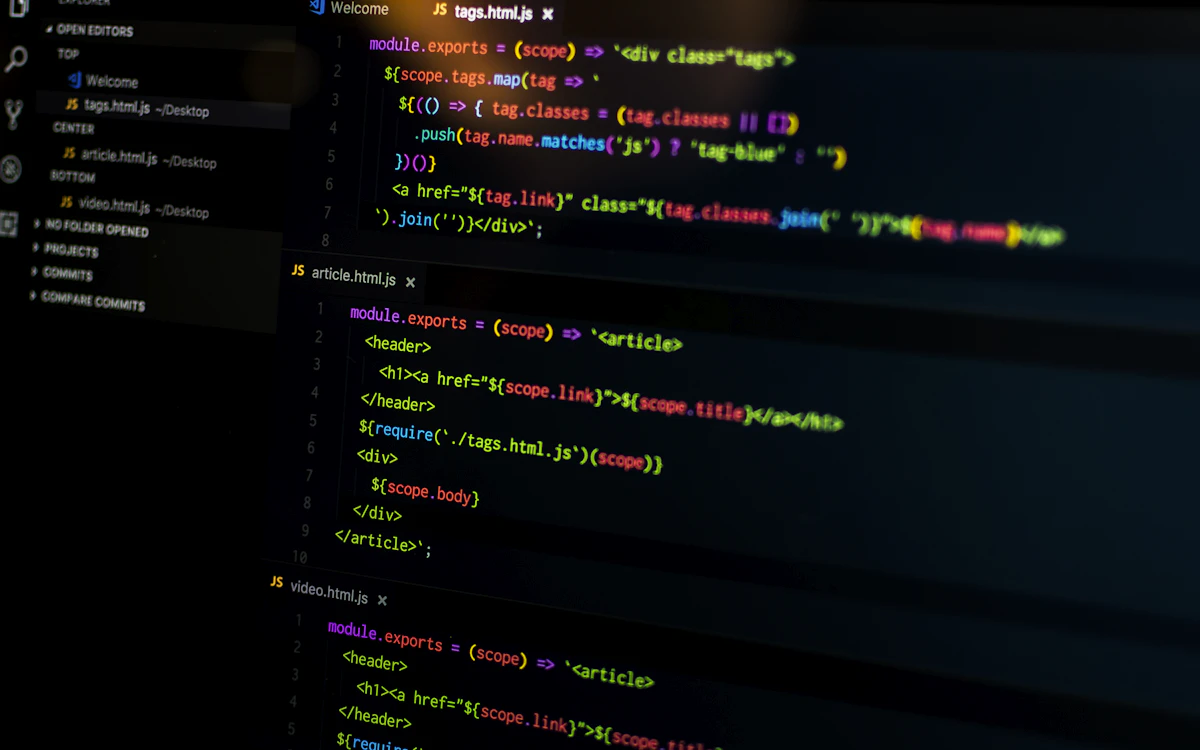
The Power of Interactive & Hands-on Learning
For many, the best way to learn is by doing. Interactive platforms eliminate the frustration of setting up local environments during your first few weeks.
1. Codecademy
Codecademy revolutionized online learning with its in-browser coding editor. You read a concept, type the code right in the browser, and see the result instantly.
Pros: Immediate feedback loop. Their "Career Paths" guide you through exactly what you need to know for specific roles, like Front-End Engineer or Data Scientist.
Official Website: Visit Codecademy
2. Udemy
While Coursera is academic, Udemy is practical. It's a marketplace where industry experts sell their courses. You can often find 60-hour comprehensive bootcamps for as little as $12.99 during their frequent sales.
Pros: You can find incredibly niche topics (e.g., "Advanced Kubernetes for AWS") that universities don't cover yet. Look for highly-rated instructors like Angela Yu or Jonas Schmedtmann.
Official Website: Visit Udemy
Your 5-Step Self-Study Roadmap
Selecting a site is only the beginning. You need a strategy to avoid "Tutorial Hell."
-
1️⃣
Pick a Niche: Don't try to learn everything. Choose Web (HTML/JS), Mobile (Swift/Kotlin), or Data/AI (Python).
-
2️⃣
Master the Fundamentals: Use CS50 or Codecademy to understand variables, loops, and logic within 4 weeks.
-
3️⃣
Build Projects (Clone Coding): Watch a tutorial on YouTube to build a "Todo App" or a "Netflix Clone" to see how pieces fit together.
-
4️⃣
Learn Version Control: Learn Git and GitHub. It's how developers collaborate and show off their work to recruiters.
-
5️⃣
Prepare for Interviews: Practice algorithms on LeetCode or HackerRank to pass technical screenings.

Common Mistakes to Avoid
Many beginners quit because they fall into common traps. Here is how to stay on track:
1. The "Passive Watching" Trap
Watching a video is not learning. You must type the code yourself. Your fingers have memory too.
2. Waiting for "Perfection"
Don't wait until you know every Python library to start a project. Start building, and learn the libraries as you need them.
3. Comparing Yourself to Others
Everyone learns at a different pace. Comparison is the thief of joy and progress in the coding world.
4. Neglecting Soft Skills
Recruiters hire teammates, not robots. Learn to communicate your technical choices clearly.
Conclusion: Consistency is Your Greatest Asset
Learning to code is a marathon, not a sprint. With these world-class resources at your fingertips, the only thing standing between you and a tech career is consistent practice. Even writing just one line of code a day keeps the momentum going.
Go ahead, pick one of the platforms above and write your first "Hello World" today. That small step might just be the pivot point for the rest of your life.
FreeImgFix.com is here to support your journey into the world of development!