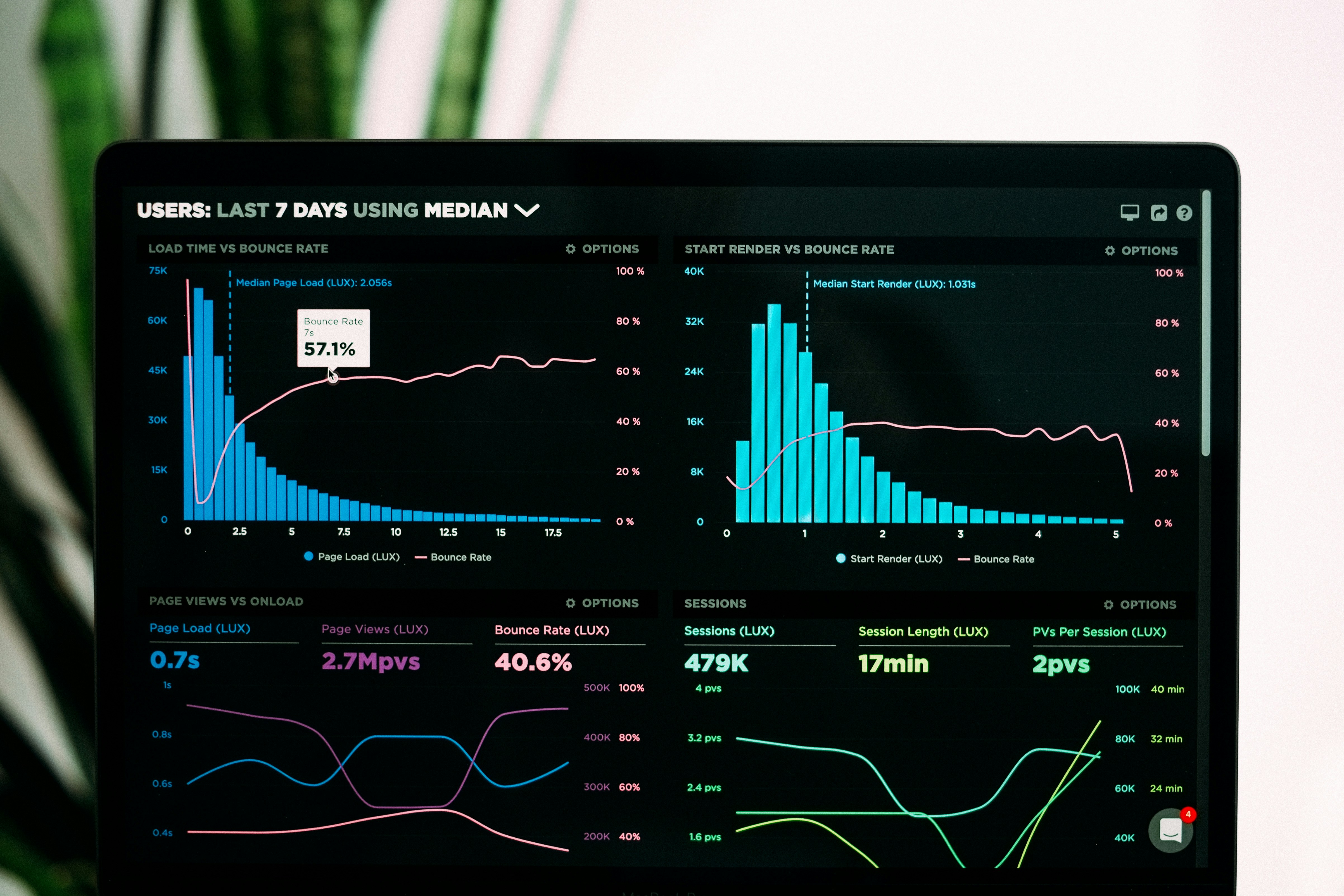
In the modern digital landscape, website speed is no longer optional—it is a critical business imperative. Google's algorithms now heavily prioritize Core Web Vitals as a ranking factor. Statistics reveal that 53% of mobile users abandon a site if it takes longer than 3 seconds to load. While WordPress offers unparalleled flexibility, its dynamic nature makes it prone to performance bloat. Today, we delve into an expert-level analysis of the top WordPress speed optimization plugins to transform your site's performance.
The Critical Impact of Loading Speed
First and foremost is User Retention. In a world of instant gratification, any delay in page rendering prompts users to hit the back button. Second is Search Engine Optimization (SEO). Google consistently ranks faster websites higher in SERPs (Search Engine Results Pages). Finally, Conversion Rates are directly tied to speed. Faster sites see significant increases in ad click-through rates (CTR) and higher checkout completion rates for e-commerce stores.
"Speed equals revenue. Amazon found that every 100ms of latency cost them 1% in sales." - Amazon Engineering Team
1. All-in-One Caching: The Core of Performance
Caching reduces server load by serving pre-rendered static HTML files instead of executing heavy PHP scripts for every request. This dramatically decreases Time to First Byte (TTFB).
WP Rocket (The Premium Gold Standard)
Renowned as the most user-friendly and powerful caching solution, WP Rocket offers an immediate performance boost. It automates complex tasks like Lazy Loading, GZIP Compression, and Database Optimization without requiring technical expertise. Explore their full feature set at the WP Rocket Official Site.
LiteSpeed Cache (Best for LiteSpeed Servers)
If your hosting provider uses LiteSpeed Web Server, this plugin is a non-negotiable requirement. It utilizes server-level caching, which is inherently faster than application-level caching. It also includes comprehensive image and CSS/JS optimization tools. Check out the LiteSpeed Official Site for server-specific details.

2. Image Optimization: Slashing 70% of Payload
Images typically account for the largest portion of a web page's weight. Advanced optimization can drastically reduce file sizes without compromising visual integrity.
Plugins such as ShortPixel or Imagify automatically convert standard uploads into next-generation formats like WebP or AVIF. These formats offer superior compression, often reducing file sizes by over 50% compared to JPG or PNG. Visit the ShortPixel Official Site to start optimizing your media library.
3. Asset Management: CSS & JS Minification
Unused CSS and JavaScript files from various themes and plugins often create "render-blocking" issues. These files must be Minified (removing whitespace) and Combined to streamline the loading process.
Asset CleanUp allows you to perform surgical-level optimization by disabling specific scripts on pages where they aren't needed. For instance, you can prevent a contact form script from loading on your home page, significantly reducing the initial execution time. Detailed documentation is available at the Asset CleanUp Official Site.
4. Strategic Performance Roadmap
Installing a plugin is only the first step. For professional results, follow this structured optimization strategy:
-
📊
Baseline Measurement: Use tools like PageSpeed Insights or GTmetrix to identify specific bottlenecks.
-
🗑️
Plugin Audit: Delete unused plugins. Deactivation is not enough; complete removal ensures no residual database load.
-
⚡
Cache Configuration: Fine-tune your caching settings to balance speed and site functionality.
-
🖼️
Media Cleanup: Convert all legacy images to WebP and enable aggressive Lazy Loading.
-
💾
DB Maintenance: Clear post revisions, orphaned metadata, and spam comments to keep your database lean.

5. Mastering Core Web Vitals
To win in modern SEO, you must excel in these three Google-defined metrics:
- LCP (Largest Contentful Paint): Measures the time until the largest content element is visible. Server response time is the key variable here.
- INP (Interaction to Next Paint): Measures responsiveness to user inputs. Optimized JS execution is vital.
- CLS (Cumulative Layout Shift): Measures visual stability. Always define image dimensions to prevent layout jumps during load.
Frequently Asked Questions (Q&A)
Do too many plugins slow down a site?
The quality of the code matters more than the quantity. However, using all-in-one tools reduces conflict risks and resource overhead.
Are free plugins sufficient?
Yes, but they often require more manual configuration. Premium tools like WP Rocket save significant time and provide better support.
What if my hosting is inherently slow?
Plugins are only a bandage. If the underlying server hardware is poor, consider migrating to performance-focused hosts like Cloudways or WP Engine.
Which optimization order is safest?
Start with image compression, then move to caching. CSS and JS minification should be the last step as they carry the highest risk of breaking layout.
Conclusion: Performance is a Continuous Journey
WordPress optimization is not a "set it and forget it" task. Every time you publish new content or install a new plugin, your site's performance profile changes. Establish a routine of monthly audits and database cleaning to maintain peak efficiency.
Audit your site speed today. Remember, shaving one second off your load time can bring in thousands of additional visitors and significantly boost your bottom line.
Build a faster web ecosystem with FreeImgFix.com!