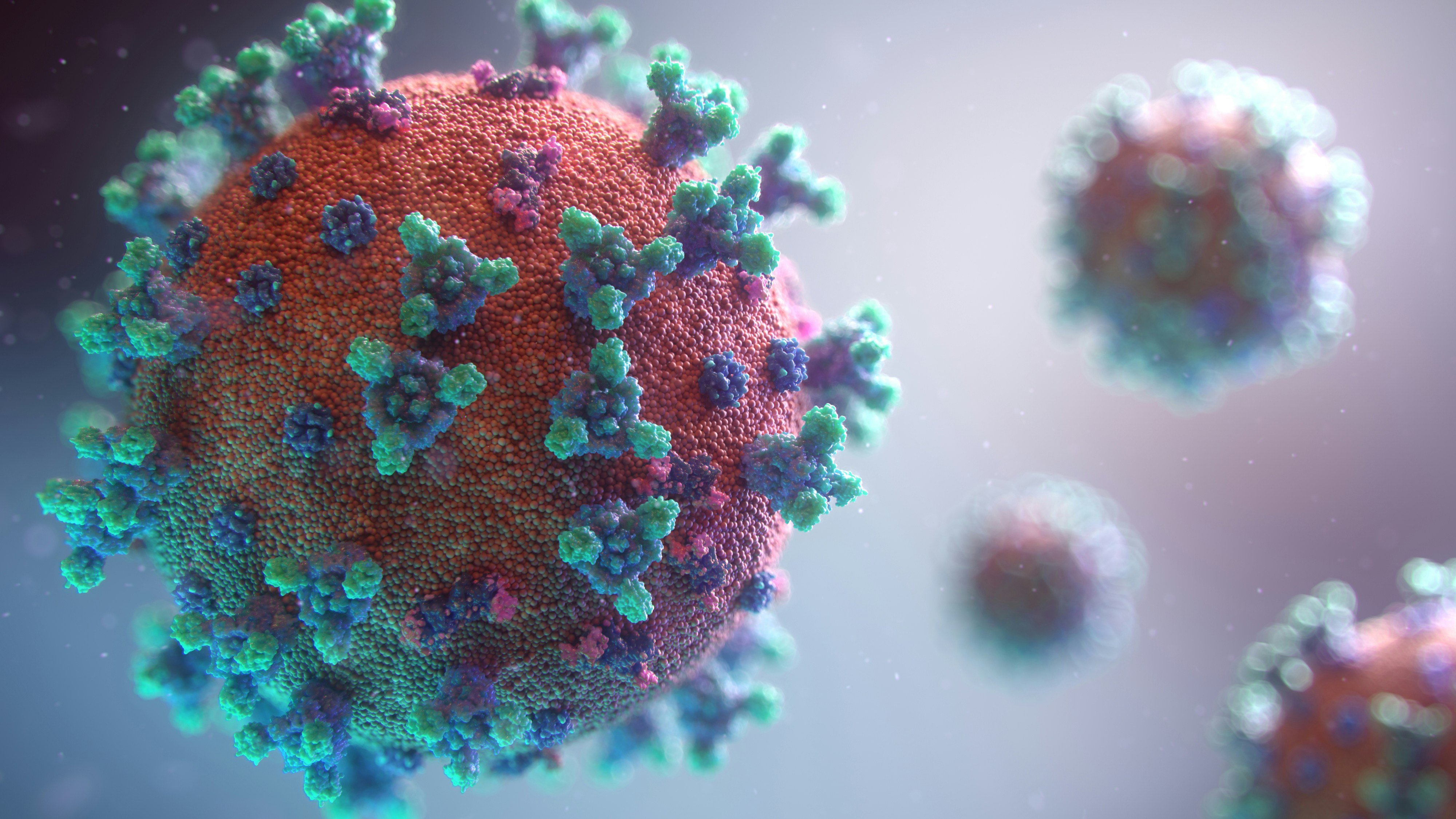
Despite modern medical advancements, Shingles remains one of the most feared diseases among adults. Often described as a pain "worse than childbirth" or "being stabbed by dozens of needles," this condition is far more than a simple skin rash. It can destroy one's quality of life. As the population ages, the prevalence of shingles is rising, making shingles vaccination a critical topic of discussion in healthcare today.
In the United States and globally, two primary vaccines have shaped shingles prevention: Zostavax, the traditional live vaccine, and Shingrix, the revolutionary recombinant vaccine. While Zostavax was once the standard, the medical landscape shifted dramatically with the arrival of Shingrix. This guide provides an in-depth analysis of efficacy, safety, pricing, and why making the right choice today matters for your future health.
What is Shingles? The Mechanism of Pain
Shingles (Herpes Zoster) is caused by the Varicella-Zoster Virus (VZV)—the same virus responsible for chickenpox. After a person recovers from chickenpox, the virus stays dormant in the nerve tissues near the spinal cord and brain. Years later, if the immune system weakens due to aging, stress, or illness, the virus can reactivate, traveling along nerve paths to the skin.
The reason shingles is so painful is that the virus directly attacks the nerves. This causes intense neuralgic pain, and if not treated promptly, it can lead to Postherpetic Neuralgia (PHN), a chronic pain condition that lasts for months or even years after the rash has cleared. In some cases, PHN is so severe it requires opioid painkillers for management.
"Prevention is the only reliable cure for shingles. The long-term suffering far outweighs the effort of vaccination."

The Legacy: Zostavax (Live Vaccine)
Zostavax, developed by Merck, was the first shingles vaccine approved by the FDA. It is a live-attenuated vaccine, meaning it uses a weakened form of the actual virus to stimulate an immune response.
Pros and Cons of Zostavax
The main advantage of Zostavax was its convenience—it required only one single dose. It was also historically more affordable. However, as of November 2020, Zostavax is no longer sold or available in the U.S. market because it was far less effective than its successor.
Its limitations were significant. Because it is a live vaccine, it cannot be given to immunocompromised individuals. Furthermore, its efficacy drops sharply with age. While it offered about 70% protection for those in their 50s, that number fell to less than 40% for people over 70. Its protection also waned significantly after 5 to 8 years.
The Gold Standard: Shingrix (Recombinant Vaccine)
Shingrix represents a paradigm shift in vaccine technology. Approved by the FDA in 2017, it is a non-live, recombinant adjuvant vaccine. Instead of using a live virus, it uses a specific component of the virus (an antigen) combined with an adjuvant to trigger a powerful immune response.
The Unmatched Efficacy of Shingrix
The most striking feature of Shingrix is its 90%+ efficacy rate. Clinical trials demonstrated that Shingrix is over 97% effective in adults aged 50 and older. Crucially, it maintains over 90% efficacy even in the elderly population (70+), where the immune system is naturally weaker.
Because it is not a live vaccine, Shingrix is safe for immunocompromised patients, including those undergoing cancer treatment or transplant recipients. While it requires two doses (2 to 6 months apart) and often causes stronger local reactions (soreness, fever), the long-term protection is far superior, lasting well over 10 years.

Side-by-Side: Shingrix vs. Zostavax
| Feature | Zostavax (Legacy) | Shingrix (Current) |
|---|---|---|
| Vaccine Type | Live-Attenuated | Recombinant Adjuvant (Non-live) |
| Dosage | 1 Dose | 2 Doses (2-6 months apart) |
| Efficacy (Ages 50+) | ~50-70% | ~97% |
| Efficacy (Ages 70+) | ~38-40% | ~91% |
| Immunocompromised | Not Recommended | Recommended & Safe |
| Duration of Protection | 5-8 Years (Declines quickly) | 10+ Years (Stays strong) |
| Availability (US) | Discontinued (2020) | Widely Available |
Which One is Right for You? Recommendation Guide
While Shingrix is clearly the superior choice in terms of data, your personal health history and insurance coverage may influence your experience.
-
1
Adults Aged 50 and Older: The CDC strongly recommends Shingrix for all adults over 50, regardless of whether they have had shingles or the chickenpox vaccine in the past. It is the only vaccine currently available and recommended in the U.S.
-
2
Immunocompromised Individuals: If you have a weakened immune system due to disease or therapy, Shingrix is your only safe option. Always consult with your specialist before scheduling your shot.
-
3
Previous Zostavax Recipients: If you received the Zostavax shot years ago, you should still get Shingrix. Experts suggest waiting at least 2 months (but often 5 years depending on local policy) to ensure maximum updated protection.
Frequently Asked Questions (FAQ)
Q1. I had shingles before. Do I still need the vaccine?
Yes. Shingles can and often does recur. Having had shingles once does not make you immune to future episodes. You should wait until the shingles rash has disappeared before getting Shingrix.
Q2. How much does Shingrix cost in the U.S.?
Under the Inflation Reduction Act of 2022, Shingrix is now covered with $0 out-of-pocket costs for individuals with Medicare Part D. Most private insurance plans also cover the vaccine fully for those over 50. Without insurance, the two-dose series can cost between $400 and $500.
Q3. Are the side effects of Shingrix severe?
Shingrix is known for being "reactogenic," meaning it triggers a noticeable immune response. Common side effects include muscle pain, fatigue, headache, and swelling at the injection site. These are signs the vaccine is working and typically resolve within 48 to 72 hours.
Closing Thoughts: Investing in Your Future Health
Shingles isn't just a rash; it's a significant health risk that strikes 1 in 3 adults. The pain and potential for permanent nerve damage are risks not worth taking, especially when a highly effective solution like Shingrix exists.
As you plan your health goals for 2026, make vaccination a priority. Check the CDC official website for the latest guidelines and talk to your pharmacist or primary care physician. Investing in your immunity today is the best way to ensure a pain-free, active tomorrow.
Want more official information on Shingles?
Visit CDC Official Website