
As the global population ages, dementia has become one of the most feared conditions of modern times. It is more than just memory loss; it threatens an individual's quality of life and dignity while placing a heavy psychological and financial burden on families. However, advances in neuroscience suggest that dementia is as much influenced by acquired lifestyle habits as it is by genetics.
Today, we will dive deep into scientific brain exercises and the best nutritional diets to slow down cellular aging and strengthen cognitive function. Use this roadmap to keep your brain vibrant and healthy. For more detailed medical information, you can also consult the Alzheimer's Association.
1. Neuroplasticity: Effective Brain Training
It was once believed that brain cells stop regenerating after reaching adulthood. However, recent research on neuroplasticity has proven that the brain is constantly changing and restructuring itself. Brain exercise is not just about "thinking harder"; it's about forming new neural pathways.
Cognitive Stimulation: The Importance of Continuous Learning
The brain is most active when encountering new information. Breaking out of your familiar routine to acquire new knowledge is a powerful form of cognitive exercise.
-
●
Learning Languages and Instruments: Learning new grammar or musical fingering stimulates the frontal and temporal lobes simultaneously, increasing Cognitive Reserve.
-
●
Active Reading and Hand-writing: Moving beyond passive reading to transcribing text by hand requires high-level concentration, vision, and touch, which is excellent for preventing memory decline.
-
●
Complex Puzzles and Strategy Games: Chess, Sudoku, and crosswords maximize logical reasoning. Immersing yourself for 30 minutes a day helps smooth associative brain functions.

Social Engagement: Building Connections
Studies show that social isolation increases the risk of dementia by over 40%. The process of conversing and sharing emotions requires high-level brain functionality.
When conversing, you must listen actively and organize your thoughts logically. This process activates language and empathy centers. Regular social gatherings or volunteering can lower cortisol levels, protecting the hippocampus from stress-related damage. For further resources on community support, check the National Institute on Aging.
"The brain is like a muscle; it gets stronger the more you use it. Moderate tension and stimulation are better for brain health than total comfort."
2. Brain Fuel: The MIND Diet
What we eat determines how our brain functions. Although the brain is only 2% of body weight, it consumes 20% of the body's energy. Proper nutrition is vital. The MIND diet (Mediterranean-DASH Intervention for Neurodegenerative Delay) is known to lower dementia risk by up to 53%.
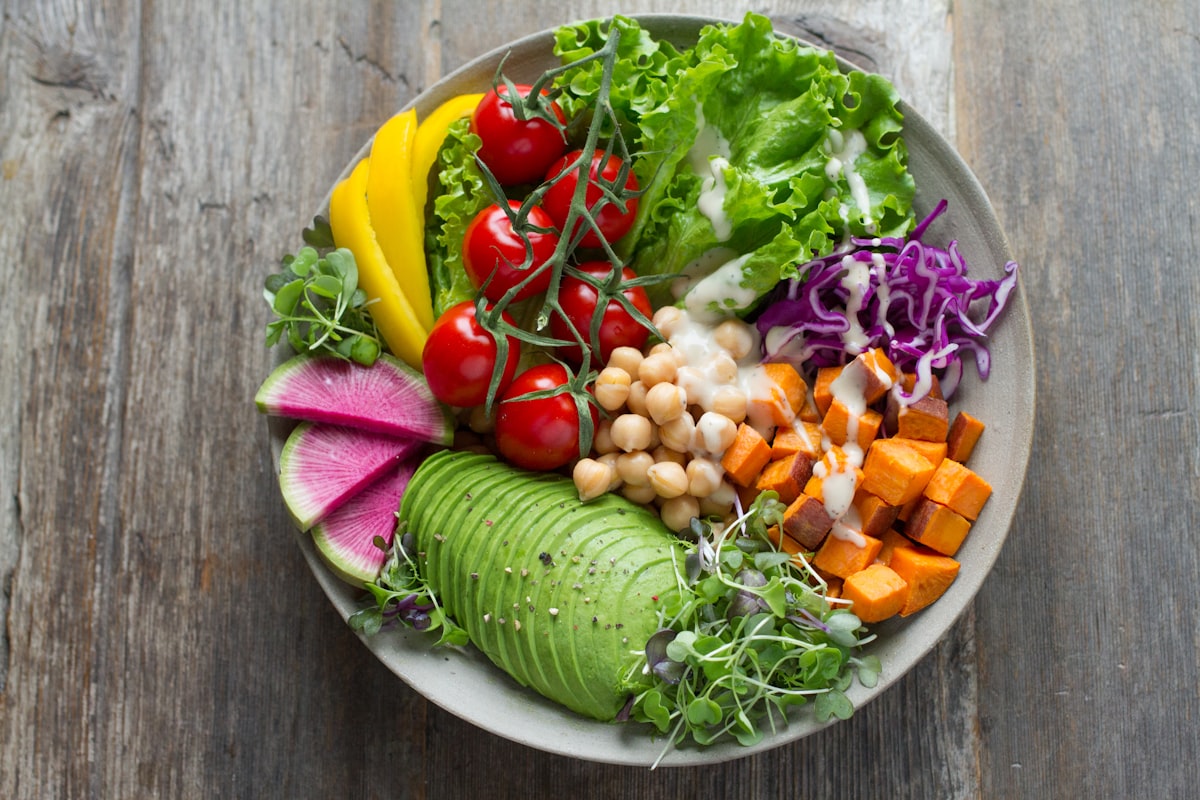
10 Recommended Foods for Brain Health
1. Leafy Greens: Spinach and kale are rich in folate and Vitamin K to prevent brain aging.
2. Berries: Blueberries and strawberries are rich in anthocyanins, directly aiding memory.
3. Nuts: Walnuts and almonds provide Omega-3 and Vitamin E to protect cell membranes.
4. Olive Oil: Healthy unsaturated fats prevent cerebrovascular disease and reduce inflammation.
5. Fatty Fish: DHA from salmon and mackerel smooths communication between brain cells.
6. Whole Grains: Oats and brown rice provide a steady supply of glucose for concentration.
7. Beans: Protein and fiber stabilize blood sugar and provide consistent brain energy.
8. Poultry: Chicken and turkey are lean protein sources essential for brain tissue.
9. Wine (Moderation): One glass of red wine contains resveratrol, which has neuroprotective effects.
10. Turmeric: Curcumin helps block the accumulation of toxic beta-amyloid proteins.
5 Foods to Limit for Brain Protection
Just as important as eating healthy is avoiding harmful foods that trigger inflammation and worsen vascular health.
-
✕
Excessive Red Meat: High saturated fat can lead to vascular dementia.
-
✕
Butter and Margarine: Trans fats reduce the flexibility of brain cell membranes.
-
✕
Fried Foods: High-fat, high-sodium foods increase blood pressure and block blood flow.
-
✕
Processed Sugars and Soda: Sharp spikes in blood sugar can lead to Alzheimer's triggers.
3. Lifestyle Changes: Habitual Brain Protection
Daily habits beyond diet and exercise determine the final state of your cognitive health.
Physical Activity and Aerobic Exercise
Walking stimulates the feet and significantly increases blood flow to the brain. Aerobic exercise for 30 minutes, 3 times a week, promotes the secretion of BDNF (Brain-Derived Neurotrophic Factor), helping new cell growth. Coordinated movement (e.g., table tennis or dance) develops the cerebellum and frontal lobe together.

Quality Sleep: Brain Cleaning Time
While sleeping, the Glymphatic System flushes out waste products like beta-amyloid. Chronic sleep deprivation allows these toxins to build up, leading to cognitive decline. Getting 7-8 hours of deep sleep is a fundamental and powerful prevention tool.
4. Practical Action Guide
Dementia prevention doesn't happen overnight. Here is a summary of small changes you can start today.
Morning Routine
Drink a glass of water, eat nuts, and spend 15 minutes reading or meditating.
Lunch Routine
Enjoy a diet with leafy greens and take a 20-minute walk in the sunlight.
Evening Routine
Summarize your day in a journal and limit smartphone use an hour before bed.
Weekend Routine
Start a new hobby or meet with loved ones for stimulating conversation.
Closing: Healthy Brain, Happy Aging
Dementia is not an inevitable condition; it is a manageable and preventable state. An active attitude, nutritious diet, and positive social relationships will safeguard your brain through the years.
Start just one of these habits today. Small changes gather to change your future. For international guidelines, refer to the World Health Organization (WHO).
Maintain a vibrant brain and a healthy life with FreeImgFix.com!