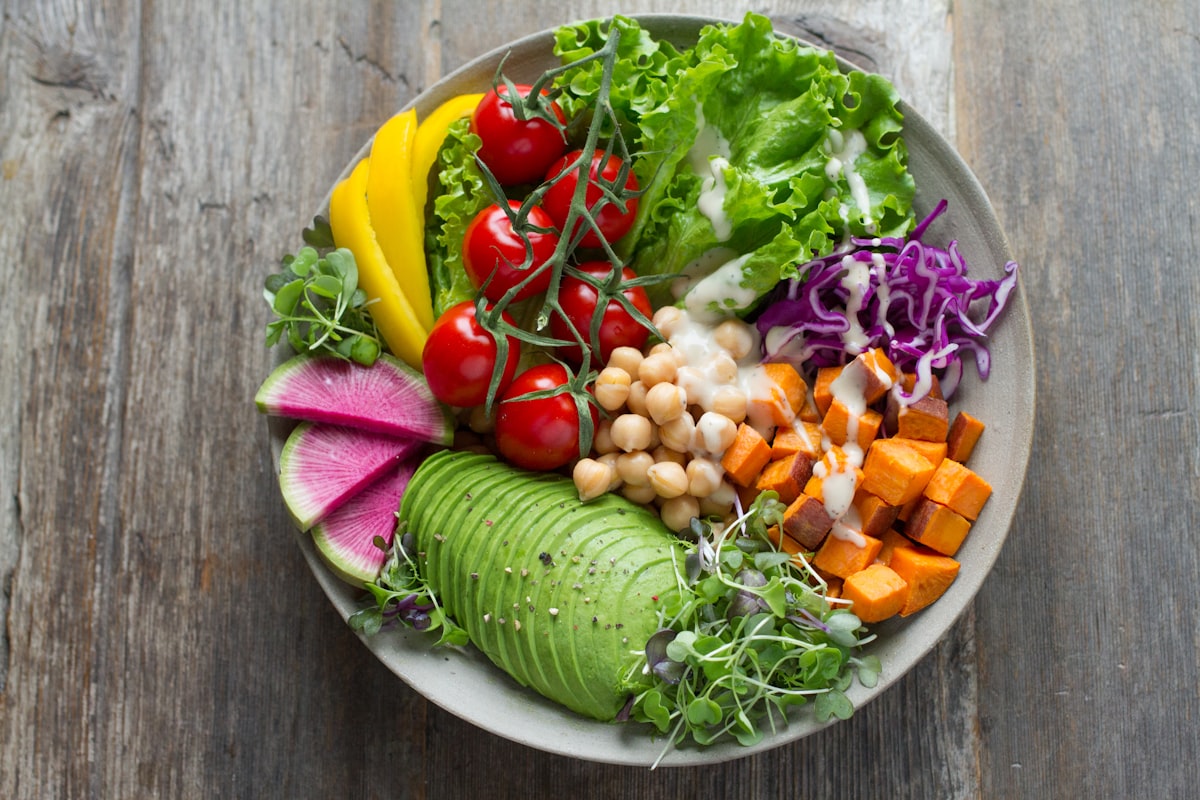
Gastroesophageal Reflux Disease, commonly known as GERD, is more than just an occasional discomfort; it is a chronic condition that can significantly impact your daily life. The burning sensation in your chest, often worsening at night, and the feeling of a lump in your throat can lead to sleep deprivation and chronic fatigue. Today, we will explore science-backed strategies for managing GERD, focusing on dietary adjustments and the optimal sleeping postures to help you reclaim your comfort.
What is GERD (Acid Reflux)?
Acid reflux occurs when stomach acid flows back into the esophagus, the tube connecting your mouth and stomach. This backflow can irritate the lining of your esophagus. At the entrance to your stomach is a ring of muscle called the Lower Esophageal Sphincter (LES). Normally, the LES closes as soon as food passes through it. If the LES doesn't close all the way or if it opens too often, acid produced by your stomach can move up into your esophagus.
Managing this condition requires a multi-faceted approach involving diet, stress management, and posture correction. While medication can provide temporary relief, long-term wellness often depends on dietary control and habit adjustment.
"Let food be thy medicine and medicine be thy food." - Hippocrates
7 Best Foods for GERD Relief
Dietary management is the cornerstone of GERD treatment. Focusing on low-acid and stomach-soothing foods can drastically reduce the frequency of symptoms.
1. Bananas
Bananas are a classic alkaline fruit that can help neutralize stomach acid by coating an irritated esophageal lining. They are a low-acid fruit that most people find helps stave off symptoms. Rich in pectin, a soluble fiber, bananas also help keep food flowing smoothly through the digestive tract.
2. Cabbage
Cabbage is famous for containing Vitamin U (S-methylmethionine), which is highly effective in promoting the healing of the gastric mucosa and protecting the esophageal wall. High in fiber, it also aids in regular bowel movements, preventing increased abdominal pressure that can trigger reflux. According to the Mayo Clinic, fresh or lightly steamed vegetables are best for maintaining nutritional value.

3. Yams (Root Vegetables)
Yams and similar root vegetables contain Mucin, a sticky substance that coats the stomach lining, protecting it from corrosive stomach acid. Many people suffering from GERD find that starting their day with blended yams or root vegetables helps soothe the digestive system throughout the morning.
4. Oatmeal
Oatmeal is a whole-grain favorite that absorbs stomach acid and is unlikely to cause reflux. It is an excellent source of fiber, which keeps you full longer and prevents overeating—a major trigger for acid reflux. Opt for plain oats and consider using low-fat or plant-based milks like almond or oat milk.
5. Melons
Like bananas, melons (such as cantaloupe and honeydew) are highly alkaline. With a pH of about 6.1, they are very low-acid and are generally well-tolerated by those with acid reflux. Their high water content also helps stay hydrated and calms the esophageal lining.
6. Ginger
Ginger is one of the best digestive aids because of its anti-inflammatory properties. Compounds like gingerols help soothe the irritation in the esophagus. It is best consumed as a mild tea or added to smoothies in small amounts, as concentrated ginger can sometimes be too spicy for sensitive stomachs.
7. Aloe Vera Juice
Just as aloe vera is used to soothe sunburns on the skin, aloe vera juice can help soothe the internal lining of the digestive tract. It acts as a natural anti-inflammatory. It is recommended to choose purified, decolorized aloe vera juice specifically labeled for internal use to avoid any laxative effects.
Foods to Avoid at All Costs
Knowing what to eat is only half the battle; knowing what to avoid is equally crucial. Certain foods can relax the LES or increase acid production.
-
☕
Caffeine: Coffee, tea, and energy drinks can relax the LES, allowing acid to escape into the esophagus.
-
🍫
Chocolate: Contains methylxanthine, which has been shown to relax the smooth muscle in the LES and increase reflux.
-
🌶️
Spicy Foods: Peppers, hot sauce, and heavy spices can irritate an already inflamed esophagus.
-
🍕
High-Fat Foods: Fatty foods stay in the stomach longer, causing the stomach to produce more acid and increasing pressure on the LES.
-
🍺
Alcohol and Soda: Alcohol irritates the mucosa, and carbonation increases gas production, leading to bloating and reflux.
The Best Sleeping Position: Left Side is Key
Nighttime is often the most difficult period for GERD sufferers. Without the help of gravity, stomach acid can easily flow back into the esophagus. The way you position your body during sleep can physically prevent this.

1. Sleep on Your Left Side
Anatomically, the stomach sits on the left side of the body. Sleeping on your left side keeps the stomach below the esophagus, making it much harder for acid to travel upward. In contrast, sleeping on your right side places the stomach above the esophagus, which can lead to frequent acid leaks.
2. Elevate Your Upper Body
Simply using extra pillows to prop up your head can sometimes cause neck pain. A better solution is a wedge pillow or elevating the head of your bed by about 6 to 8 inches. This creates a gentle slope from your waist to your head, using gravity to keep acid where it belongs.
Essential Lifestyle Rules
Success in managing GERD depends on consistency. Follow these 4 golden rules for long-term relief.
1. Wait 3 Hours Before Bed
It takes time for the stomach to empty. Lying down immediately after a meal is a direct path to reflux.
2. Maintain a Healthy Weight
Excess abdominal weight puts pressure on your stomach, forcing acid up into your esophagus.
3. Avoid Tight Clothing
Tight belts and waistbands can squeeze the stomach and push acid through the LES.
4. Eat Smaller, Frequent Meals
Large meals stretch the stomach and weaken the LES. Try eating smaller portions slowly.
Final Thoughts: Consistency is the Cure
Acid reflux isn't a condition that disappears overnight. Just as it took time for habits to create the problem, it takes patience to heal. By incorporating soothing foods into your diet and making left-side sleeping a habit, you can look forward to waking up without that familiar burning sensation.
If your symptoms persist or worsen, always consult with a healthcare professional for a personalized treatment plan. Taking control of your habits is the first step toward a healthier, more comfortable future.
FreeImgFix.com - Your Partner in Wellness!