
Every day, as we breathe and generate energy, our bodies produce unwanted byproducts known as reactive oxygen species or free radicals. These free radicals can attack our cells, accelerating aging and contributing to various chronic diseases. The process that inhibits this damage and protects our body is known as antioxidation.
With modern focus shifting toward preventative health, many are looking to obtain these life-saving compounds from whole foods rather than synthetic supplements. In this comprehensive guide, we will analyze the Top 10 Antioxidant Foods that are essential for contemporary health, exploring their unique benefits and the most effective ways to consume them. For detailed nutritional data, you can consult the USDA FoodData Central.
What are Antioxidants?
Antioxidation simply means the inhibition of oxidation. The process of cellular oxidation in our bodies is similar to how iron rusts or a sliced apple turns brown when exposed to air. Free Radicals are unstable molecules that damage normal cells, potentially leading to DNA mutations and a weakened immune system.
Antioxidants neutralize these free radicals by donating an electron, effectively rendering them harmless. Common antioxidants include Vitamin C, Vitamin E, beta-carotene, and various polyphenols. Consistently consuming foods rich in these compounds is linked to reduced risk of cardiovascular diseases, cancer, and age-related cognitive decline.
"The food you eat can be either the safest and most powerful form of medicine or the slowest form of poison."
The Top 10 Antioxidant Powerhouses
1. Blueberries: The King of Anthocyanins
Ranked as one of the world's premier superfoods, blueberries are synonymous with antioxidation. The deep blue hue comes from anthocyanins, a group of phytochemicals with potent radical-scavenging properties.
Research suggests that blueberries support vision health, improve cognitive function, and may delay memory loss related to aging. Interestingly, frozen blueberries can sometimes have even higher anthocyanin levels than fresh ones, as the freezing process breaks down cell structures and makes the antioxidants more bioavailable.
2. Tomatoes: The Strength of Lycopene
Tomatoes are nutritional giants, largely due to their high concentration of lycopene. This carotenoid is particularly effective at protecting the skin from UV damage and has been extensively studied for its role in reducing prostate cancer risk.
Lycopene is unique because it becomes more effective when cooked. Heating tomatoes with a healthy fat, like olive oil, can increase the absorption of lycopene by up to five times compared to eating them raw.

3. Broccoli: Sulforaphane and Detoxification
As a cruciferous vegetable, broccoli contains sulforaphane, a sulfur-rich compound that activates the body's natural detoxification enzymes. It helps the liver neutralize carcinogens and reduces systemic inflammation.
To maximize the benefits, it is best to steam broccoli lightly for 3-4 minutes. Boiling can leach out its water-soluble Vitamin C and myrosinase, the enzyme needed to activate sulforaphane.
4. Spinach: For Vision and Vitality
This dark leafy green is loaded with lutein and zeaxanthin, two antioxidants that accumulate in the retina to protect the eyes from high-energy blue light.
Spinach is also a great source of folate and non-heme iron. Since its antioxidant beta-carotene is fat-soluble, pairing spinach with avocados or healthy oils significantly boosts absorption.
5. Garlic: The Power of Allicin
Garlic's medicinal properties are primarily attributed to allicin, which is released when the clove is crushed or chopped. Allicin has antimicrobial properties and helps maintain healthy blood pressure levels.
For maximum effect, let chopped garlic sit for 10 minutes before cooking. This allows the enzymatic reaction to complete, ensuring the allicin remains stable even under heat.
6. Green Tea: EGCG and Metabolism
Green tea is rich in catechins, specifically EGCG (Epigallocatechin gallate). EGCG is one of the most studied antioxidants for its potential to boost metabolism, aid in fat oxidation, and protect against cellular damage.
Replacing sugary drinks with green tea is an excellent health investment. However, be mindful of brewing temperatures; using slightly cooled water (around 175°F) prevents the tea from becoming too bitter and preserves sensitive compounds.
7. Dark Chocolate: Flavonoid Magic
Good news for chocolate lovers—dark chocolate (with at least 70% cocoa) is a powerhouse of flavonoids. These compounds improve blood flow to the brain and heart, potentially lowering blood pressure.
Stick to a small serving (about 1 ounce) per day to keep calories in check. Remember, the health benefits decrease as the sugar and milk content increase, so the darker the better.
8. Walnuts: Omega-3s and Polyphenols
Walnuts have higher antioxidant activity than any other common nut. They provide a unique combination of polyphenols and alpha-linolenic acid (ALA), an essential omega-3 fatty acid.
These nutrients work together to reduce neuroinflammation and support heart health. Because nuts can go rancid due to their high oil content, store them in an airtight container in the refrigerator to preserve their nutritional integrity.
9. Carrots: The Source of Beta-Carotene
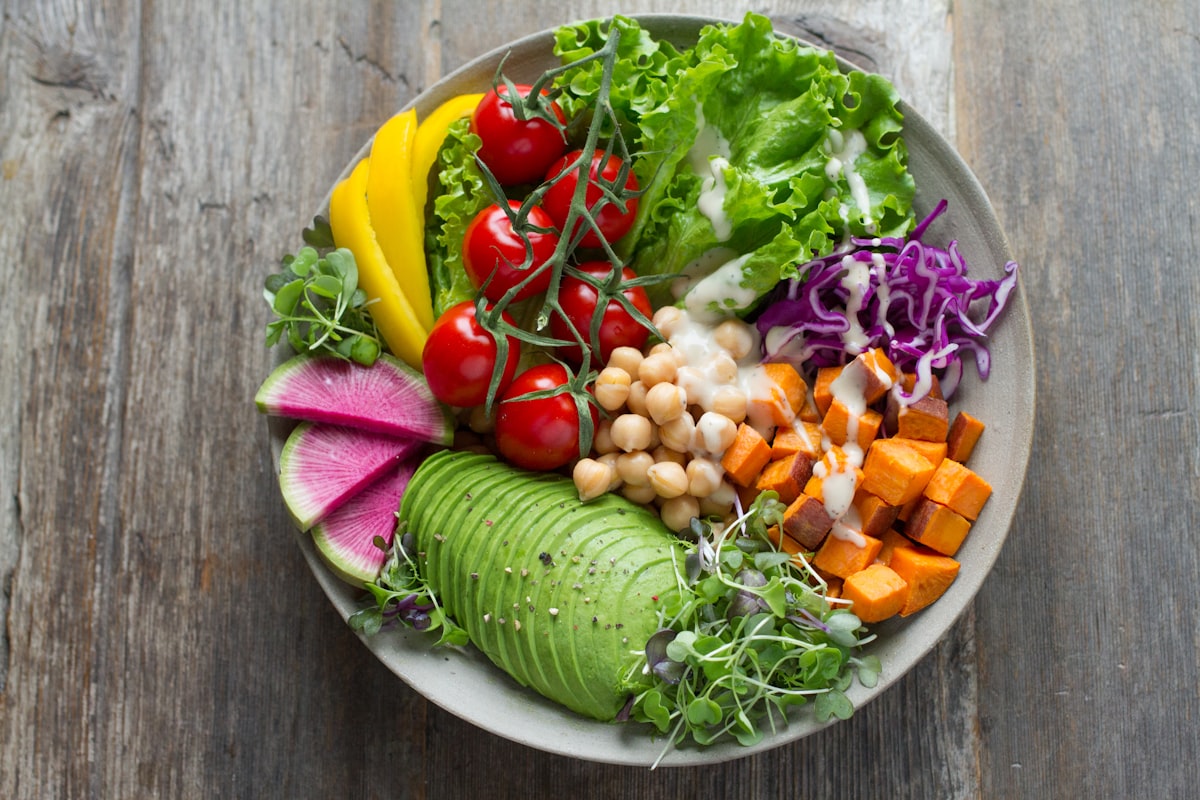
The vibrant orange color of carrots comes from beta-carotene, which the body converts into Vitamin A. This is crucial for maintaining healthy skin, a strong immune system, and good vision.
Like tomatoes, carrots are more nutritious when slightly cooked or pureed, as this breaks down the tough cell walls, releasing the carotenoids for easier absorption.
10. Red Wine & Grapes: Resveratrol for Longevity
The "French Paradox" often cites resveratrol, found in the skins of red grapes, as a reason for lower rates of heart disease. Resveratrol is thought to activate "sirtuins," genes associated with longevity and DNA repair.
While moderate red wine consumption (one glass for women, two for men) is often discussed, you can obtain the same benefits by eating whole red or purple grapes, which also provide fiber and Vitamin C.
Essential Tips for Antioxidant Success
How you eat is just as important as what you eat. Here are some strategies to maximize your intake of these protective compounds. For general dietary guidelines, refer to the World Health Organization (WHO) Healthy Diet Fact Sheet.
-
🌈
Eat the Rainbow: Don't stick to just one food. Different colors represent different phytochemicals. A varied diet ensures a broad spectrum of cellular protection.
-
🔥
Master the Heat: Understand which foods need heat (tomatoes, carrots) and which are best raw or lightly steamed (broccoli, berries).
-
🥣
Pair with Fats: Vitamins A, D, E, and K, as well as many carotenoids, are fat-soluble. Always include a source of healthy fat with your vegetables.
-
🕒
Consistency is Key: Antioxidants don't stay in your system forever. Regular daily intake is much more effective than occasional "superfood" binges.
Investing in Your Future Self
Aging is inevitable, but the rate at which our cells degrade is heavily influenced by our dietary choices. By incorporating these Top 10 Antioxidant Foods into your daily routine, you are essentially building a powerful biological defense system.
Start small—add a handful of blueberries to your breakfast or switch your afternoon coffee for a cup of green tea. These small, consistent changes are the foundation of a vibrant, healthy life. For more nutrition guides and resources, explore our latest updates.
Stay healthy and vibrant with FreeImgFix.com!