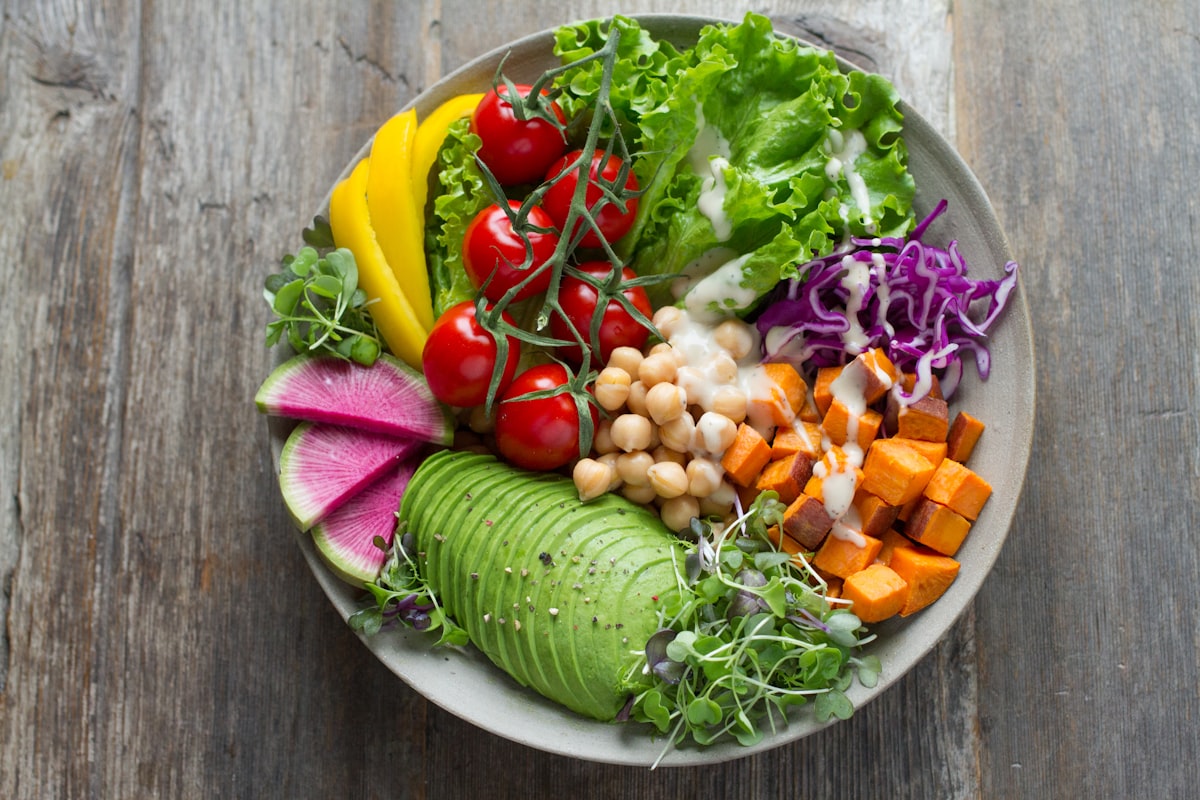
Hypertension, often called the "silent killer," affects millions worldwide. This condition often has no symptoms in its early stages but, if left untreated, can lead to fatal complications such as stroke, heart attack, and kidney disease. However, the good news is that dietary changes alone can have a blood pressure-lowering effect comparable to medication. At the heart of this strategy is the DASH (Dietary Approaches to Stop Hypertension) diet.
What is the DASH Diet?
The DASH eating plan was developed by the National Heart, Lung, and Blood Institute (NHLBI), part of the U.S. National Institutes of Health (NIH), specifically to help treat hypertension. It goes beyond a simple "low-salt" diet; it focuses on consuming a balanced variety of foods rich in potassium, calcium, magnesium, and fiber, all of which are known to help lower blood pressure.
Clinical studies have shown that strictly following the DASH diet can result in a significant decrease in blood pressure within just two weeks. This makes it a powerful non-pharmacological treatment option for those with prehypertension or early-stage high blood pressure.
"Let food be thy medicine and medicine be thy food." - Hippocrates
5 Core Principles of the DASH Diet
To successfully implement the DASH diet, let's examine the five fundamental principles you must follow.
1. Radical Reduction of Sodium Intake
The DASH plan suggests two levels of sodium restriction. The standard DASH diet limits sodium intake to 2,300 mg (about 1 teaspoon of salt) per day, while the lower-sodium DASH diet recommends 1,500 mg (about 2/3 teaspoon of salt) or less for even greater benefits.
2. Emphasis on Whole Grains
Replace white rice and refined flour with unprocessed whole grains such as brown rice, barley, oats, and whole-wheat bread. Whole grains are high in fiber, which helps lower blood cholesterol and stabilize blood sugar, indirectly assisting in blood pressure management.

3. Maximizing Vegetable and Fruit Intake
At least half of every meal should consist of vegetables. Fruits and vegetables are extremely rich in potassium, which helps the body excrete excess sodium. Foods like spinach, broccoli, bananas, and tomatoes are excellent for hypertension patients.
4. Low-Fat Dairy and Quality Protein
Get your protein from lean meats, fish, and legumes. For dairy, choose low-fat or fat-free milk and yogurt to supplement your calcium intake. Calcium is essential for regulating the contraction and relaxation of blood vessels.
5. Healthy Fats and Nuts
Minimize saturated and trans fats and use oils rich in monounsaturated fats, like olive or canola oil. Consume nuts and seeds 4-5 times a week to boost your intake of magnesium and Vitamin E.
Recommended Daily Servings (Based on a 2,000 kcal diet)
For a practical meal plan, here are specific daily serving sizes for each food group. For more detailed information, please visit the Official DASH Diet Site (NHLBI).
-
🌾
Whole Grains (6-8 servings/day): 1 slice of whole-wheat bread, 1/2 cup cooked rice/pasta, or 1 cup cereal equals one serving.
-
🥦
Vegetables (4-5 servings/day): 1 cup raw leafy greens, 1/2 cup cooked veggies, or 1/2 cup veggie juice equals one serving.
-
🍎
Fruits (4-5 servings/day): 1 medium fruit, 1/2 cup fresh/frozen fruit, or 1/2 cup fruit juice equals one serving.
-
🥛
Low-Fat Dairy (2-3 servings/day): 1 cup milk, 1 cup yogurt, or 1.5 oz low-fat cheese equals one serving.
-
🍗
Protein (6 or fewer servings/day): 1 oz cooked lean meat/fish or 1 egg equals one serving. (Note that these amounts are smaller than typically expected).
-
🥜
Nuts/Seeds/Legumes (4-5 servings/week): 1/3 cup nuts, 2 tbsp seeds, or 1/2 cup cooked legumes equals one serving.
Practical Strategies for Success
While the DASH diet is a gold standard, applying it to your daily life requires strategy. Small, consistent adjustments can lead to long-term success on your heart-health journey.
Breaking Up with Processed Foods
In many modern diets, the biggest source of sodium is processed and packaged foods, not the saltshaker. Focus on fresh ingredients. Use herbs, spices, lemon juice, or vinegar to add flavor without adding sodium.
Rethinking the "Standard" Plate
Instead of making meat the centerpiece, make vegetables the star of your plate. Try "Meatless Mondays" or use small amounts of meat as a garnish rather than a main course to keep saturated fat in check.
Smart Dining Out
Restaurants often use excessive salt for flavor. Ask for sauces on the side (dip, don't pour), avoid fried options, and choose steamed or grilled preparations. Don't be afraid to ask the server about low-sodium options.

Getting Started! 3 Steps to Implementation
Don't try to change everything at once. Take a gradual approach.
Step 1: Gradual Changes
Start by adding one extra serving of vegetables to your meals. Slowly increase the ratio of whole grains in your diet.
Step 2: Swap Your Snacks
Choose unsalted nuts or fresh fruit instead of chips or crackers. Opt for plain yogurt without added sugars.
Step 3: Cooking Innovation
Steam or boil instead of frying. Use the acidity of lemon or vinegar to enhance flavor without relying on salt.
Step 4: Label Reading
Always check nutrition labels for "Sodium" content. Aim for products labeled "low sodium" or "no salt added."
Sample 7-Day DASH Menu
A sample plan to help you get started. (Per person)
| Day | Breakfast | Lunch | Dinner |
|---|---|---|---|
| Mon | Oatmeal + Banana + Low-fat Milk | Brown Rice + Grilled Chicken Salad | Whole-wheat Pasta + Veggies |
| Tue | Whole-wheat Toast + Boiled Egg | Quinoa Bowl with Roasted Veggies | Baked Salmon + Asparagus |
| Wed | Greek Yogurt + Nuts + Berries | Turkey Sandwich on Whole-wheat | Lentil Soup + Side Salad |
| Thu | Scrambled Tofu + Spinach | Tuna Wrap with Hummus | Grilled Chicken + Broccoli |
| Fri | Fruit Salad + Cottage Cheese | Veggie Burger (No Bun) + Greens | Seafood Sauté with Olive Oil |
Frequently Asked Questions (FAQ)
Q. Is the DASH diet effective for weight loss?
Yes. Because the DASH diet is high in fiber and low in calorie density due to its focus on vegetables, it naturally supports weight loss efforts. It is particularly effective at reducing visceral fat.
Q. Can I live without salt for the rest of my life?
Human taste buds are highly adaptable. It usually takes about 2 to 4 weeks for your palate to adjust from a high-sodium diet to enjoying the natural flavors of fresh food. Once you pass this period, you will discover the true taste of ingredients.
Conclusion: Support for Your Healthy Future
Managing hypertension is like a marathon. Results won't appear overnight, but every choice you make today—like opting for whole grains over white bread—is strengthening your blood vessels. The DASH diet isn't just about what you "can't" eat; it's a positive lifestyle shift to "fill" your body with better nutrition.
Open your refrigerator right now. Let a small change today transform your health tomorrow.
Success in Healthy Blood Pressure Management with the DASH Diet!