Have you ever experienced a sudden wave of drowsiness after lunch, often referred to as a food coma? While many think it's just a sign of being full, it is actually a major warning signal from your body that a glucose spike has occurred. A glucose spike happens when your blood sugar levels skyrocket immediately after eating and then crash rapidly. This phenomenon is a primary driver of type 2 diabetes, obesity, cardiovascular disease, and accelerated aging.
Why Are Glucose Spikes Dangerous?
When blood sugar rises sharply, your pancreas pumps out a massive amount of insulin to bring it down. Excessive insulin causes blood sugar to plummet, which tricks your brain into thinking it lacks energy, leading to intense cravings for sugar and processed snacks. This is the vicious cycle of "fake hunger" and overeating.
Even more concerning is glycation. When there is too much glucose in your bloodstream, it bonds to proteins and creates toxins called 'Advanced Glycation End-products' (AGEs). These toxins damage collagen, leading to wrinkles and sagging skin, and cause inflammation in your blood vessels. Essentially, allowing frequent glucose spikes is the fastest way to age your body from the inside out.
"It’s not just about what you eat, but the order in which you eat it. Changing the sequence can reduce your insulin response by up to 50% without changing the calories."
The Magic Formula: Fiber-Protein-Carb
Biohackers and medical experts like Jessie Inchauspé recommend a golden sequence: Fiber (Vegetables) → Protein and Fats → Carbohydrates. By following this order, you create a protective barrier in your digestive tract that slows down the absorption of sugars into the bloodstream.
STEP 1. Build a Fiber Mesh with Vegetables
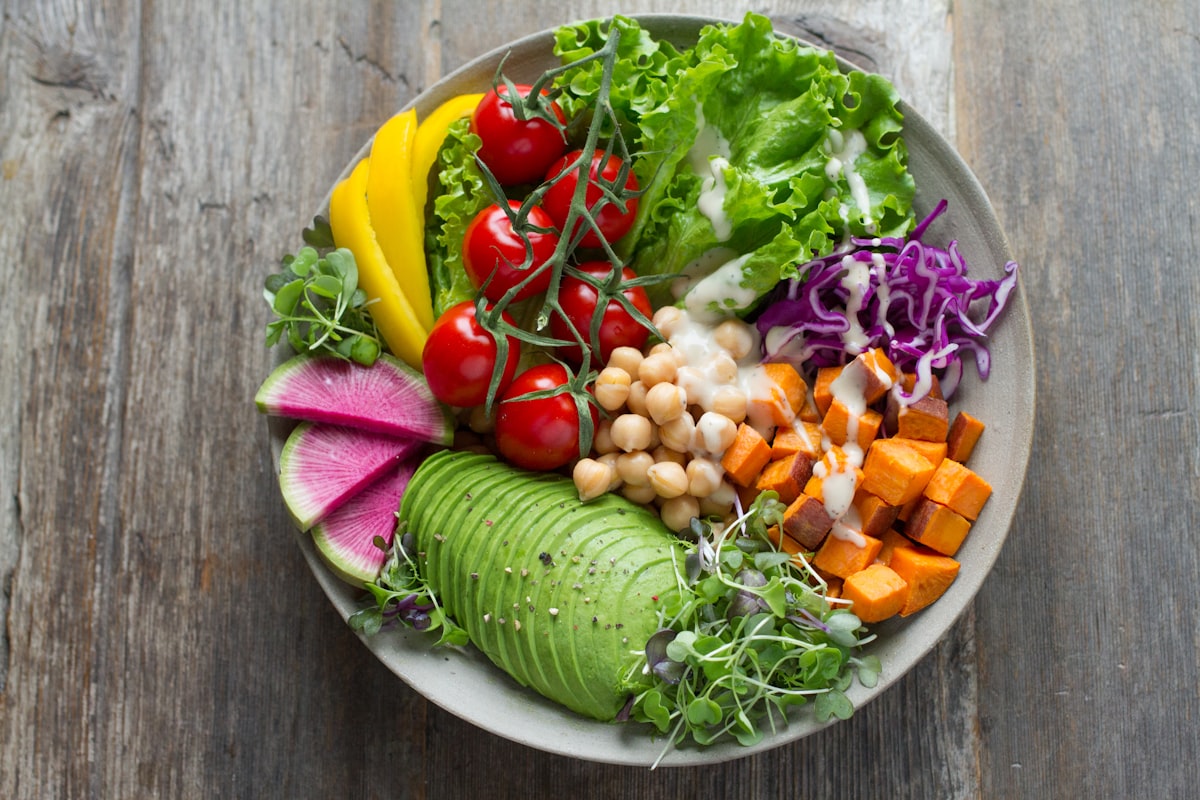
Always start your meal with vegetables. The fiber in vegetables creates a viscous, mesh-like barrier in your small intestine. This mesh acts as a physical shield that prevents glucose from hitting your bloodstream too fast. Whether it's a green salad, steamed broccoli, or roasted peppers, eat your greens first and chew them thoroughly for at least 5 minutes.
STEP 2. Slow Down Digestion with Protein and Fat
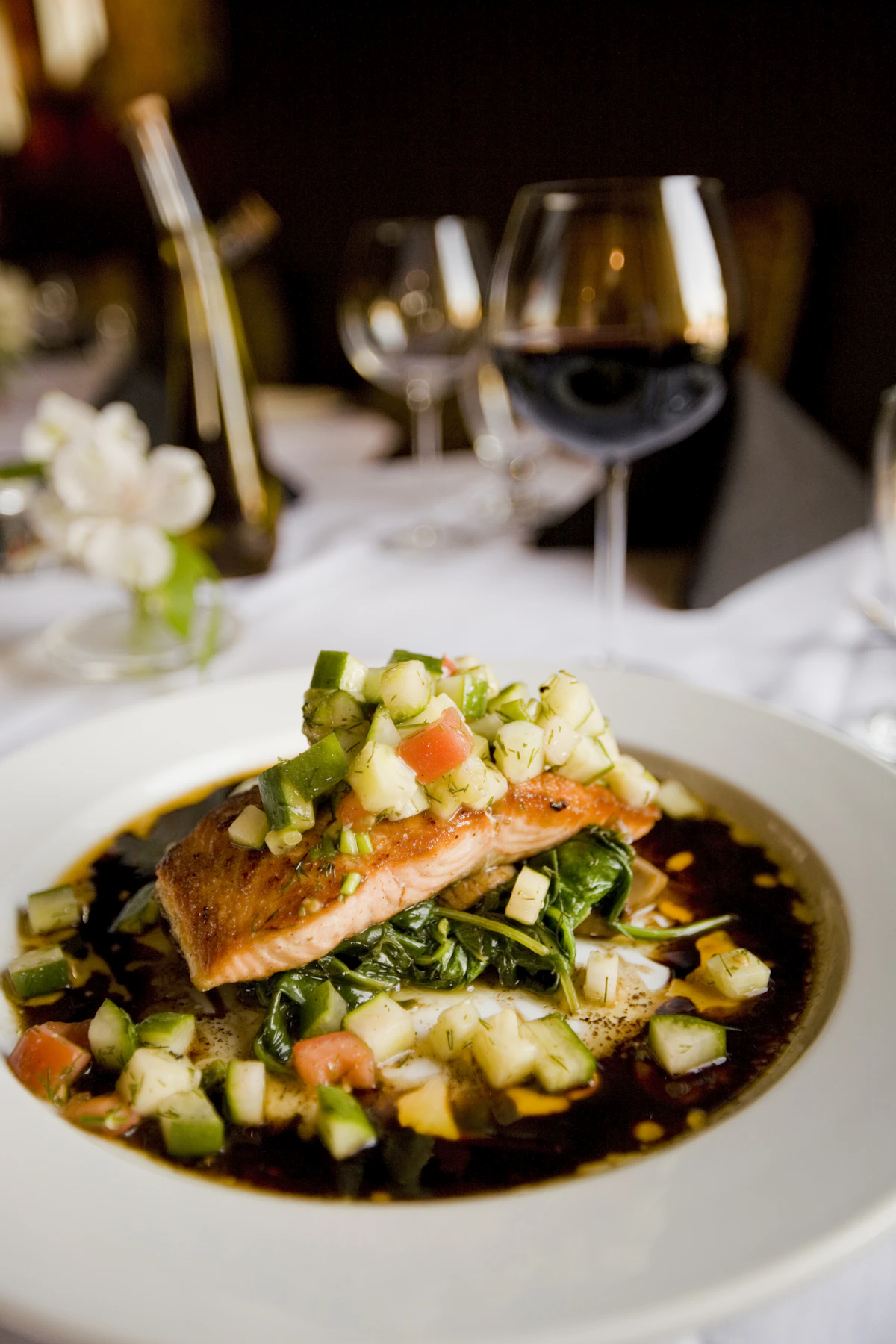
After vegetables, consume your proteins such as meat, fish, eggs, or tofu, along with healthy fats. Protein and fats trigger the release of hormones that slow down 'gastric emptying'—the speed at which food leaves your stomach. This keeps you feeling full longer and ensures that any carbohydrates eaten next enter the small intestine at a much slower, more manageable pace.
STEP 3. Save Carbohydrates for Last
The part we often crave most—bread, rice, pasta, or fruit—should be eaten at the very end. Since the fiber and protein have already coated your digestive system, the carbohydrates from your meal cannot cause a sharp spike. Eating the same bowl of rice at the beginning of a meal versus at the end results in a drastically different glucose response.
Practical Life Hacks for Success
While the theory is simple, it can be hard to follow in every social situation. Here are some detailed tips for real-world application:
-
🥗
Start with side salads: In restaurants, order a side of greens or vegetables to eat before your main course arrives.
-
🍎
Fruit as dessert, not a snack: Drinking fruit juice or eating fruit on an empty stomach is a glucose bomb. Always pair fruit with fiber or protein, ideally after a meal.
-
🧊
The Vinegar Trick: Drink a tablespoon of apple cider vinegar in a tall glass of water before a meal. The acetic acid temporarily slows down the enzymes that break starch into glucose.
-
🚶
The 10-Minute Walk: After eating, don't sit or lie down immediately. A 10-minute light walk allows your muscles to soak up the glucose in your blood, blunting the spike.

Frequently Asked Questions (FAQ)
Q1. What if my meal is mixed (e.g., Sandwich, Bowl)?
While eating components separately is ideal, it’s not always possible. If you are eating a sandwich, try eating some of the fillings first, or ensure you have a large side salad beforehand. If the meal is completely mixed, chewing slowly and thoroughly becomes your best defense to slow down absorption.
Q2. Is it worse to eat on an empty stomach?
Yes. After a long fast (like when you wake up), your body is in high-absorption mode. Breaking your fast with refined carbs (cereal, toast, juice) creates the largest spike of the day. Always break your fast with a savory, protein-rich meal.
Data-Driven Results
By maintaining this eating sequence for just two weeks, many people report transformative changes:
- · Reduced Fatigue: Say goodbye to the mid-afternoon crash; maintain steady energy and focus.
- · Weight Management: Lower insulin levels make it easier for your body to access and burn stored fat.
- · Clearer Skin: Reducing glycation helps decrease inflammation, resulting in fewer breakouts and a brighter complexion.
Conclusion: The Easiest Choice for Your Future
Health doesn't always require expensive supplements or extreme time commitments. It can start with the direction your fork takes on your plate today. Vegetables first, protein second, carbs last. This small habit compounds into a lifetime of better health.
For more authoritative medical guidelines on blood sugar management, we highly recommend visiting official health resources such as the CDC Diabetes Portal, the American Diabetes Association (ADA), or the National Institutes of Health (NIH).
Start your journey to a stable glucose curve with FreeImgFix.com!