
One of the most popular dietary regimens today, Intermittent Fasting 16:8, involves maintaining a fast for 16 hours and eating during an 8-hour window. This method offers various health benefits, including weight loss, improved insulin sensitivity, reduced inflammation, and promoted cell regeneration. However, many people overlook a crucial fact: how you break your fast is more important than the duration of the fast itself.
1. Why is the First Meal So Critical?
After 16 hours of fasting, your body is in a highly sensitive state. Your digestive system is just waking up from its rest, blood sugar levels are stabilized, and insulin sensitivity is at its peak. The first food you consume determines the metabolic environment and satiety levels for the remaining 8 hours.
If you break your fast with refined carbohydrates or sugars that spike blood sugar, your body triggers an explosive release of insulin. This leads to immediate hunger and "false appetite," eventually causing overeating—a phenomenon known as the Insulin Rollercoaster. Therefore, your first meal should focus on stable energy supply and blood sugar management.
"Fasting isn't just about starving; it's about resetting your body's system. That reset is finalized by your very first bite."
2. BEST 5 Foods to Break Your Fast
1) High-Quality Protein (Eggs, Fish, Chicken Breast)
Protein is essential for preserving muscle mass and maintaining long-lasting satiety. Eggs, often called the "perfect food," are the most accessible and effective choice for breaking a fast. They are highly absorbable, easy on the stomach, and have an excellent amino acid profile. Lean poultry or fish are also great alternatives.
2) Healthy Fats (Avocado, Nuts, Olive Oil)
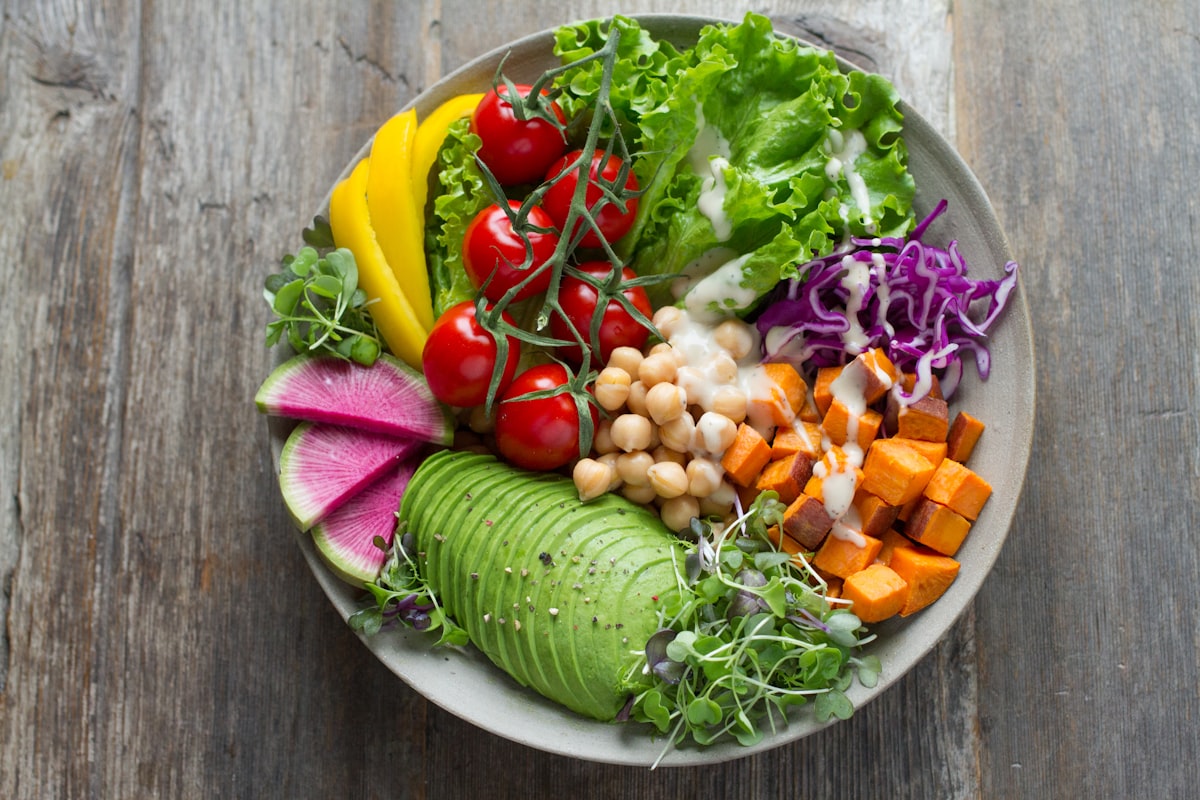
Fats provide powerful energy with minimal impact on insulin secretion. Avocado is rich in fiber and healthy monounsaturated fats, aiding gut health and maximizing satiety. Simply adding a splash of olive oil to a salad or a handful of nuts to your first meal can boost metabolic efficiency.
3) Non-Starchy Vegetables and Fiber
Vegetables like broccoli, spinach, cauliflower, and cucumbers are high in water content and fiber. Fiber acts as a natural blood sugar shield, feeding beneficial gut bacteria and slowing down the absorption of sugars from any carbohydrates you might consume later.
4) Fermented Foods (Yogurt, Sauerkraut, Kimchi)
Long fasting periods change your gut environment. Consuming unsweetened yogurt, sauerkraut, or kimchi helps improve digestion and strengthen the immune system by providing beneficial probiotics. Avoid processed yogurts with added sugar.
5) Warm Soups or Bone Broth
Many fasting experts recommend Bone Broth as the ideal way to break a fast. It is rich in minerals and collagen, helping to heal the gut lining and gently wake up the digestive system. For those with sensitive stomachs, a light vegetable soup is also an excellent start.
3. Worst Foods to Avoid for Your First Meal
If you've fasted well but aren't seeing results, it's likely because you chose these foods for your first meal:
-
❌
Refined Carbohydrates: White bread, instant noodles, and sugary cereals cause sharp blood sugar spikes.
-
❌
High-Fructose Fruit Juices: Liquid fructose without fiber burdens the liver and increases insulin resistance.
-
❌
Irritating Spicy Foods: Spices on an empty stomach can damage the stomach lining and cause inflammation.
-
❌
Fried Foods: Trans fats and excessive oil lead to indigestion and sluggishness.
4. The Rule of 'Meal Sequencing' for Maximum Efficiency
How you eat is just as important as what you eat. The scientifically proven ideal meal sequence is as follows:
- A Glass of Water: Wake up your stomach with lukewarm water 15–30 minutes before eating.
- Fiber (Vegetables): Eat vegetables first to protect the intestinal walls.
- Fats and Protein: Follow up with satiety-inducing proteins and healthy fats.
- Complex Carbohydrates: Save carbohydrates (brown rice, sweet potatoes, etc.) for the very last step.
Following this sequence alone can reduce post-meal blood sugar spikes by over 70%, keeping you in "fat-burning mode" for longer.

Pro Tips for Intermittent Fasting Success
Here is a summary of actionable insights you can apply immediately:
1. Chew Slowly for 20 Minutes
It takes 20 minutes for your brain to recognize fullness. Eating too fast leads to overconsumption.
2. Use Official Guides
For accurate nutritional data, check the Healthline Official Guide.
3. Importance of Electrolytes
Minerals are lost along with water during fasting. Supplement with Himalayan pink salt to maintain balance.
4. Post-Workout Meals
If you exercise during your fast, increase protein by 20% in your first meal to prevent muscle loss.
Closing: Sustainable Habits Create Miracles
Intermittent Fasting 16:8 is not just a weight loss tool. It is a lifestyle change aimed at restoring metabolic flexibility and achieving a healthier life. Don't just practice these First Meal Principles for a day or two; make them your own routine.
It might be a bit cumbersome at first, but once you experience stable blood sugar, a clearer mind, and a lighter body, you will realize its true value. We cheer for your healthy challenge!
Design a healthier tomorrow with FreeImgFix.com.